
The National Museum of Computing
UK museum at Bletchley Park preserving and running historic computers, including a rebuilt Colossus; focuses on restoration, computing history, exhibits, and public engagement.
The National Museum of Computing preserves, restores and interprets historic computing machinery and software in the United Kingdom. Located within the Bletchley Park estate, the museum concentrates on machines and technologies that shaped the development of electronic computing from the 1940s onwards. Its collection, volunteer workforce and educational programmes aim to keep important examples in running condition and to explain their technical and social impact.
Image gallery
10 Images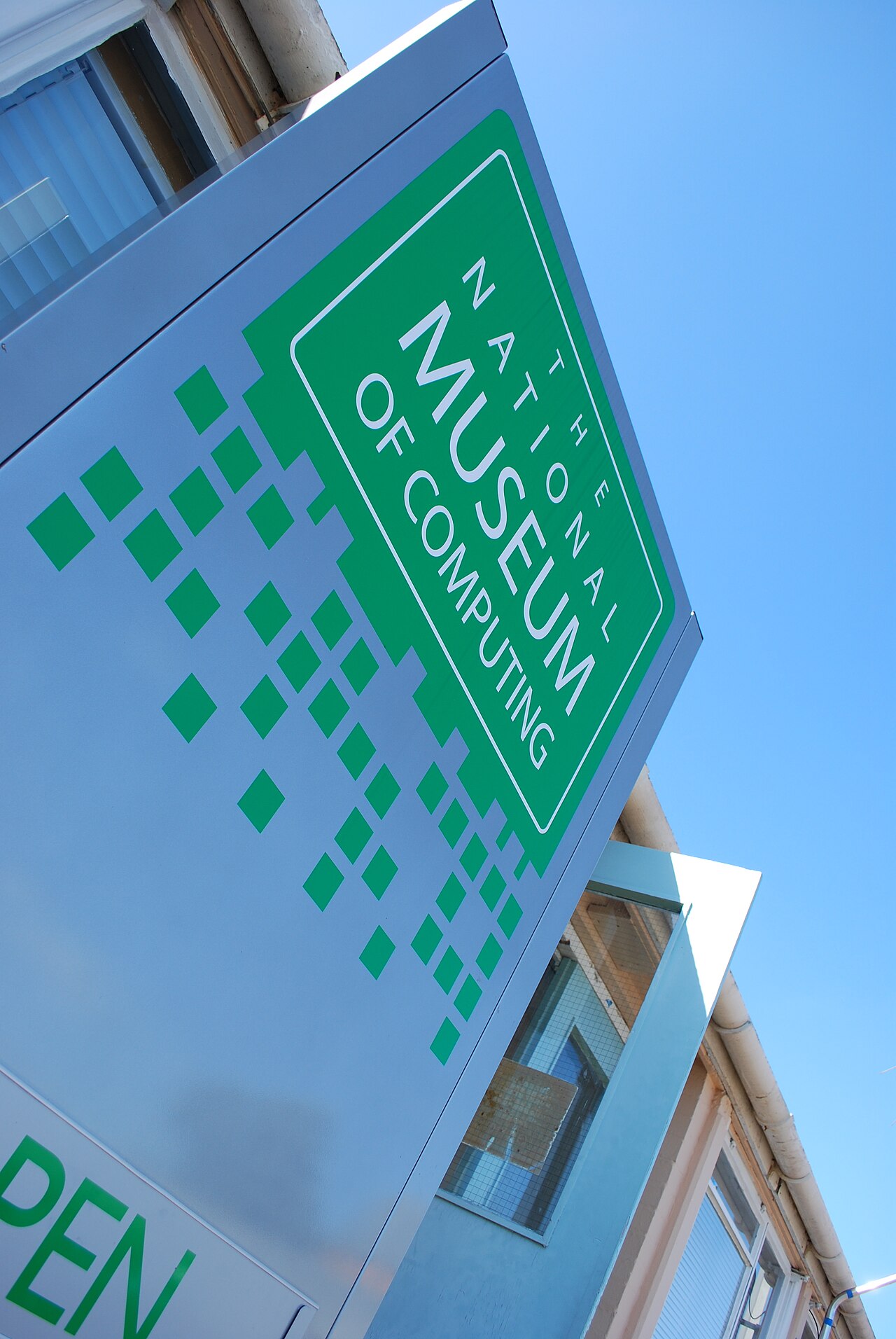


Location and building
The museum is based at Bletchley Park, in Milton Keynes, Buckinghamshire. Its home occupies Block H, a wartime building erected in 1944 that once accommodated multiple Colossus machines used during the Second World War. The association with Bletchley Park places the museum within the wider context of wartime codebreaking and early electronic computing, while the organisation itself operates as a distinct charity and independent institution.
Collections and major exhibits
Highlights include a painstakingly reconstructed Colossus — the world's first programmable electronic digital computer in practical wartime use — together with a range of vacuum-tube, transistor and early microprocessor systems that trace computing progress across decades. Exhibits cover machines, peripherals, software artefacts and documentation; many items are exhibited alongside demonstrations and explanatory material that make technical concepts accessible to visitors.
Restoration, operation and interpretation
The museum places particular emphasis on restoration and on keeping devices operational when feasible. Teams of volunteers and specialists work to repair hardware, recreate missing components and maintain software environments so that visitors can see machines in action. This hands-on approach supports historical understanding of engineering practices, programming methods and design trade-offs from different eras.
Historical significance and public programmes
As part of the Bletchley Park story, the museum helps explain codebreaking activities and the role of early computing in the Allied effort during World War II. It also interprets the broader evolution of computing technology, from room-sized systems to personal computers, and highlights the social, scientific and industrial changes that followed. The museum runs exhibitions, talks, workshops and special events that connect technical history with present-day computing.
Visiting, organisation and funding
Although situated on the Bletchley Park site, the National Museum of Computing is independently managed and funded. It relies on donations, memberships and ticket income rather than regular public funding. Admission arrangements and opening details are handled separately from other attractions on the estate, so visitors should check tickets and access information before planning a visit.
- Museum overview and visitor information
- Context in the United Kingdom
- Bletchley Park connection
- Milton Keynes location details
- Buckinghamshire background
- Colossus machine history
- Current exhibitions
- Codebreaking and cryptanalysis exhibits
- World War II historical context
- Restoration and working machines
- Charitable status and support
- Admission and ticketing information
The National Museum of Computing is an active centre for preserving technical heritage: it documents engineering practices, trains volunteers in repair and conservation skills, and offers a tangible link between early electro-mechanical and modern digital systems. For those interested in the origins of programming, machine architecture or the wartime story of Bletchley Park, the museum provides a focused, technically minded complement to the broader historical narratives found elsewhere on the estate.
Questions and answers
Q: What is the National Museum of Computing?
A: The National Museum of Computing is a museum in the United Kingdom dedicated to collecting and restoring old computer systems.
Q: Where is it located?
A: The museum is based at Bletchley Park in Milton Keynes, Buckinghamshire.
Q: When did it open?
A: It opened in 2007.
Q: What was housed in Block H when World War II ended?
A: At the end of World War II, Block H housed six Colossus computers.
Q: What type of exhibition does the museum have?
A: The museum has an exhibition of the most complex code cracking activities that were performed at Bletchley Park during World War II.
Q: What can visitors see at the museum?
A: Visitors can see modern computers which show the history of computing from the 1940s to present day, as well as a rebuilt Colossus computer. The machines are also kept in working order where possible.
Q: How does The National Museum of Computing receive funding?
A: The National Museum of Computing receives no public funding and relies on donations and support from donors and supporters for its funding.
Related articles
Author
AlegsaOnline.com The National Museum of Computing Leandro Alegsa
URL: https://en.alegsaonline.com/art/98511
Sources
- tnmoc.org : The National Museum of Computing