
Thermocouple: Principles, Types, and Applications
A thermocouple is a temperature sensor made from two dissimilar conductors joined at a junction to produce a voltage dependent on temperature. It is used for measurement, control and thermoelectric applications.
Overview
A thermocouple is a sensor that produces an electrical voltage when two different metals are joined and subjected to a temperature difference. The effect that creates this voltage is known as the Seebeck effect. Thermocouples are widely used because they are simple, robust and can operate over a broad temperature span.
Image gallery
7 Images


Construction and operating principle
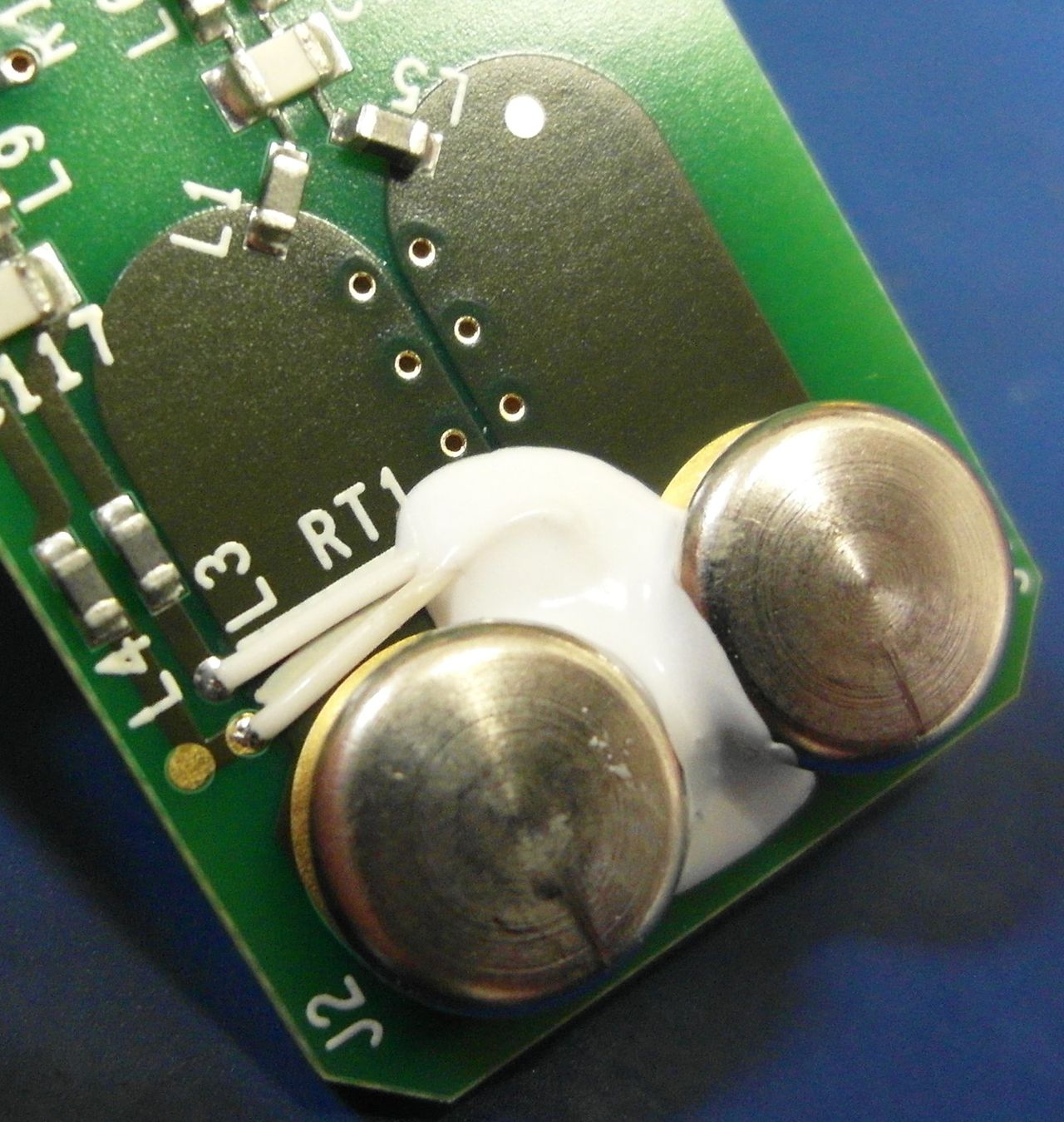
At its simplest a thermocouple consists of two wires of dissimilar metal or alloy joined at one end to form a measuring junction. The other ends connect to a measuring instrument that senses the small voltage produced. The measured voltage depends on the temperature at the junction relative to the reference (or cold) junction; modern instruments correct for the reference temperature electronically.
Common types and materials
Several standard thermocouple types exist, each defined by its pair of materials and its useful range and characteristics. Common types include:
- K (chromel–alumel): general-purpose, widely used.
- J (iron–constantan): older general-purpose type.
- T (copper–constantan): suited for lower temperatures.
- E, N, S, R, B: variants for specialty ranges and high temperatures, often involving noble metals.
History and related effects
The thermoelectric phenomena behind thermocouples were identified in the 19th century. The Seebeck effect describes the generation of voltage from a temperature difference; the related Peltier effect describes heating or cooling when current flows through a junction. These linked effects underpin both temperature measurement and solid-state thermoelectric devices.
Applications and examples
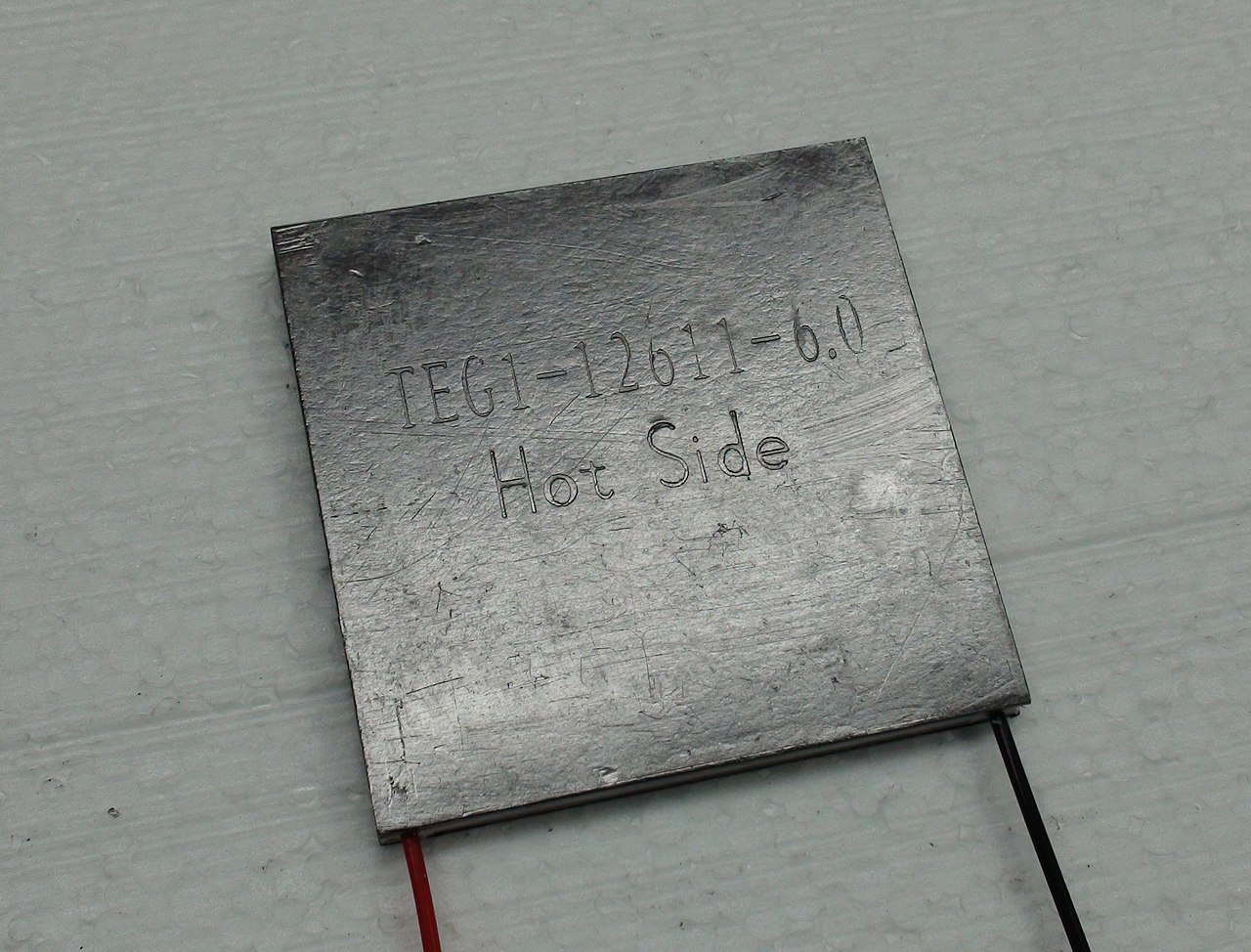
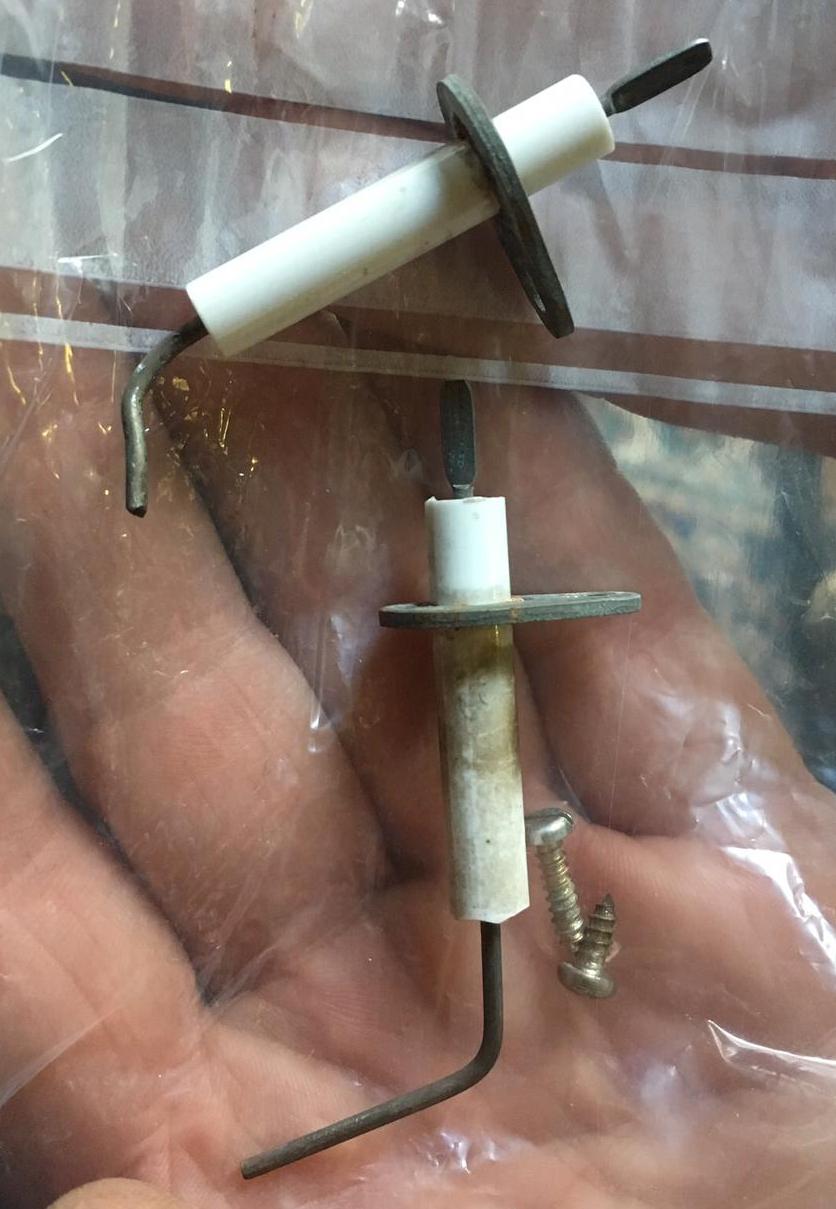
Thermocouples are used in industry and research for furnace controls, engine and exhaust monitoring, HVAC systems, laboratory instruments and many process-control tasks. Multiple thermocouples wired in series form a thermopile, which can generate larger voltages for energy-harvesting or sensing. Radioisotope thermoelectric generators also use thermoelectric conversion for long-term power in space missions.
Accuracy, advantages and limitations
Thermocouples offer fast response, durability and a wide operating range, but their voltage output is non-linear and relatively small, requiring calibration, amplification and compensation for the reference junction. They are generally less precise than some other sensors, like resistance thermometers, but excel where ruggedness and range matter.
For technical background or practical guidance on selection and wiring, see further reading.
Related articles
Author
AlegsaOnline.com Thermocouple: Principles, Types, and Applications Leandro Alegsa
URL: https://en.alegsaonline.com/art/99301