
Thanet: the northeastern district and former island of Kent, England
Thanet is a district in northeast Kent, England, formerly separated by the Wantsum Channel. It includes Margate, Ramsgate and Broadstairs, has a coastal landscape and a population of about 135,000.
Overview
Thanet occupies the most northeasterly corner of Kent in South East England. Today it forms a local government district with a population of roughly 135,000. The area is known for its long coastline, sandy bays, seaside towns and harbour facilities. Historically it was separated from the Kent mainland by the tidal Wantsum Channel, which gradually silted up and joined the former isle to the mainland.
Image gallery
3 Images

Principal towns and settlements
The district includes several towns with distinct identities. Margate is a traditional seaside resort that in recent years has developed cultural venues and nightlife. Ramsgate has a prominent harbour and maritime connections. Broadstairs is known for its sheltered bays and long association with holidaymaking. These towns and smaller villages form the principal population centres and service hubs for the peninsula.
History
In early medieval and prehistoric times the Isle of Thanet was distinct from the mainland. The Wantsum Channel provided a navigable route between the Thames and the English Channel and was significant for trade and movement. Over centuries the channel infilled through natural processes and human activity, and by the modern period the former island had become contiguous with Kent. The contemporary local government district was established on 1 April 1974.
Landscape, wildlife and conservation
Thanet's coastline combines sandy beaches, chalk cliffs and low-lying bays. These coastal and estuarine environments support a range of wildlife and are valued for conservation and recreation. Local nature reserves, coastal paths and protected shoreline areas attract walkers and birdwatchers and contribute to conservation efforts while balancing tourism and community interests.
Economy and transport
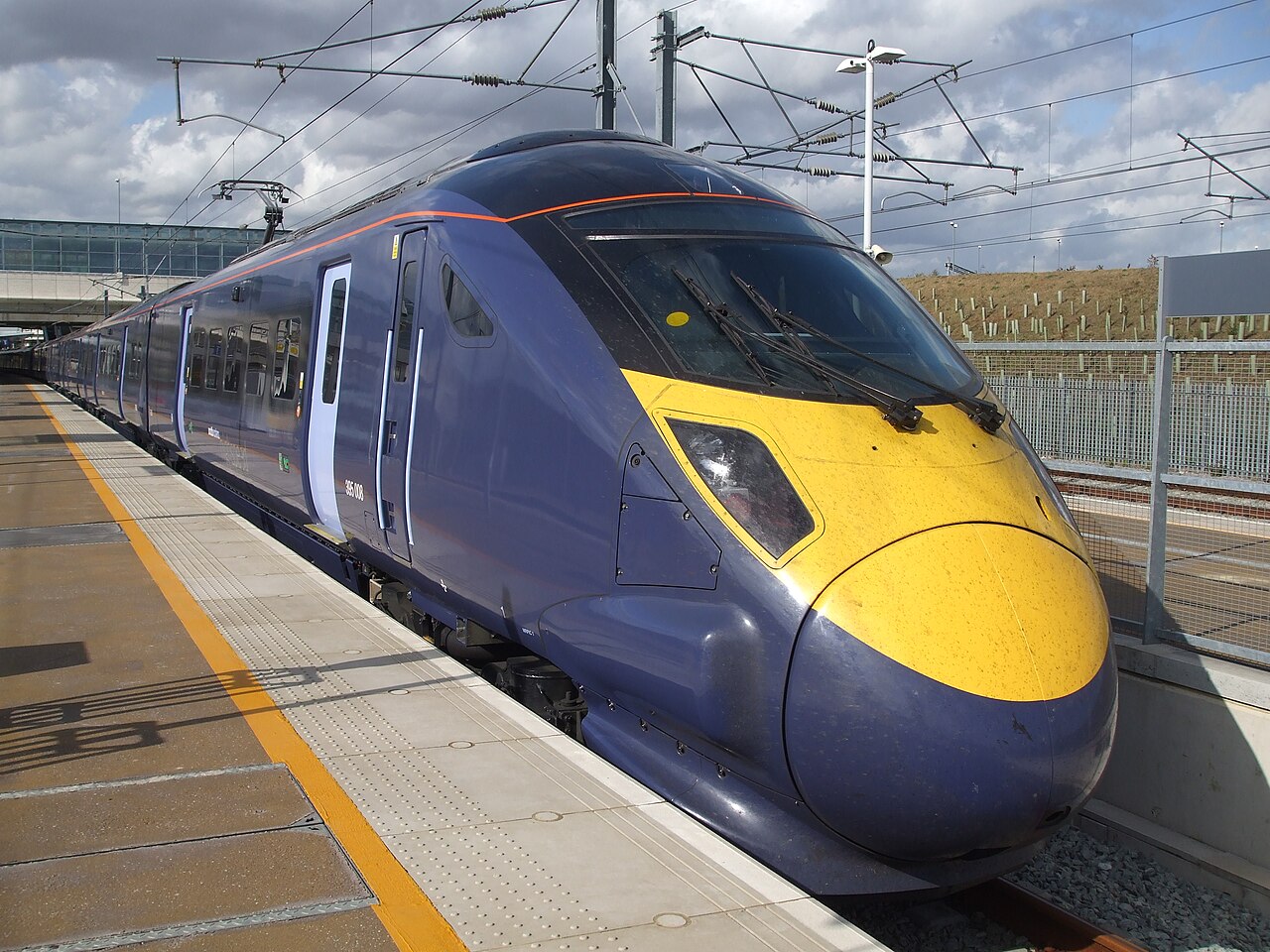
The local economy draws on tourism, maritime activity, retail and local services. Seaside attractions and seasonal visitors remain important, while cultural investments aim to extend the visitor season. Transport links include regional rail and road connections that link Thanet with other parts of Kent and London, and local harbours provide facilities for leisure and some commercial activity. The area also has sites with military and aviation history, including the former RAF Manston airfield.
Culture and attractions
Thanet hosts galleries, festivals and family attractions that reflect both its seaside heritage and contemporary cultural life. Margate has developed gallery and arts spaces which have drawn new visitors, while historic promenades, piers, amusement areas and annual events keep traditional seaside culture alive. Literary and artistic associations, local museums and maritime heritage are part of the district's appeal.
Governance and services
Thanet is administered as a district council area with its offices in Margate. Local government arrangements work alongside county-level services in Kent. Residents access health, education and transport provision through a mix of local and regional institutions, and community groups play an active role in neighbourhood and conservation projects.
Notable points
- The place-name "Thanet" occurs in early sources; its precise origin is uncertain.
- The area remains popular for day visitors and longer stays, with a varied coastal landscape.
- Thanet is within commuting distance of larger urban centres, yet retains distinct coastal and local character.
For more detailed information about individual towns and services see the local town pages for Margate, Ramsgate and Broadstairs, and regional resources for Kent and South East England.
Related articles
Author
AlegsaOnline.com Thanet: the northeastern district and former island of Kent, England Leandro Alegsa
URL: https://en.alegsaonline.com/art/97398