
Texas Ranger Division
A historic statewide law-enforcement agency in Texas, the Texas Ranger Division combines a frontier legacy with modern investigative and public-safety roles, and has a long, complex history.
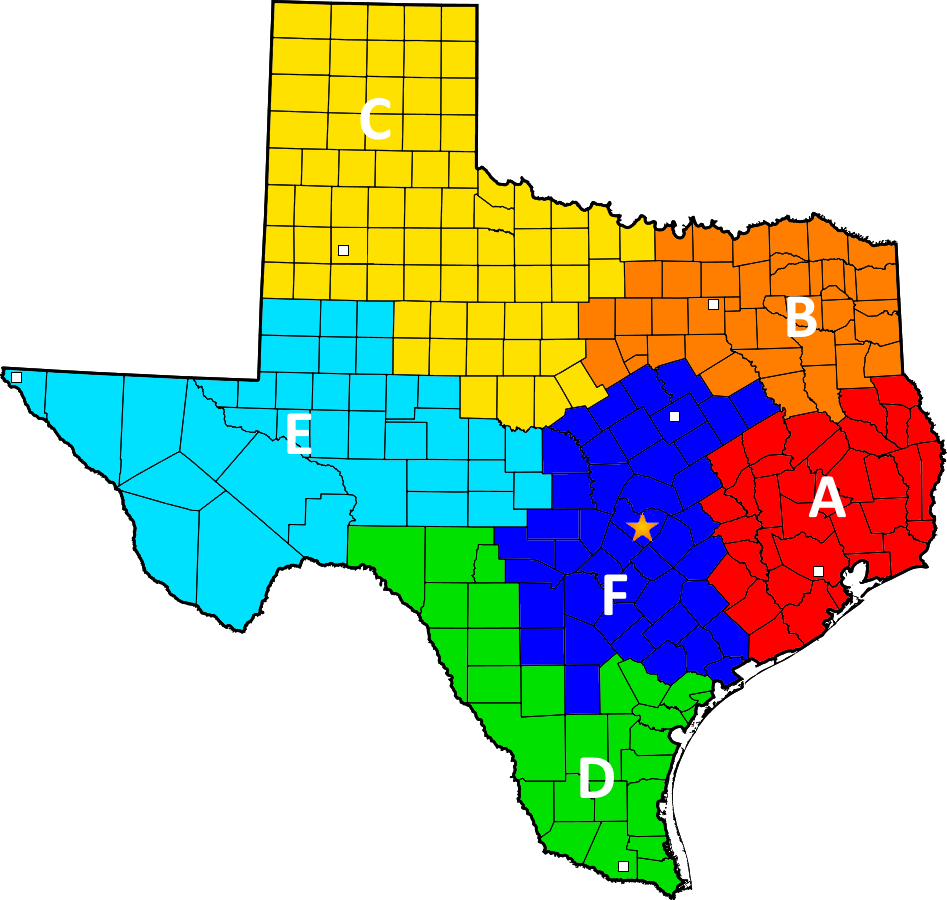
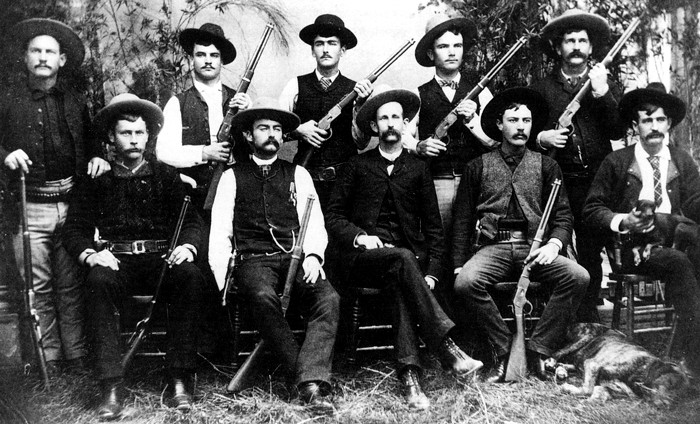
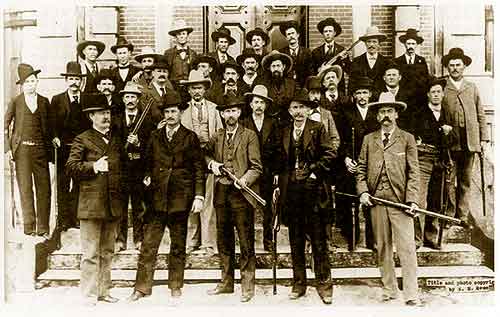
The Texas Ranger Division is a statewide law-enforcement and investigative organization in Texas with roots in early 19th‑century frontier life. Originally formed by local settlers as mounted patrols to protect communities, the Rangers evolved into a formalized public-safety and investigative force. Today they are an organized bureau within the state's public-safety structure and carry a legacy that blends folklore, law enforcement and historical controversy.
Image gallery
10 Images






Origins and development
The unit traces its origins to volunteer armed groups created by Anglo and Tejano settlers during the period when Texas was part of New Spain and later Mexican Texas. During the Texas Revolution and the Republic of Texas era these mounted companies often conducted scouting, convoy protection and frontier policing. Over time the loosely organized companies were consolidated, given official commissions by Texas authorities, and adapted from horse patrols into a professional investigative agency.
Roles and functions
Modern Rangers serve as a statewide investigative arm with jurisdiction across municipal and county lines. Their work typically includes major-crime investigations, cold-case work, forensic and special prosecutions, border and public‑safety operations, and support to local agencies. Specialized teams within the Division focus on crime scene processing, intelligence, and tactical response.
Structure and symbols
- Rangers operate within the broader state public-safety organization and are selected through competitive recruitment and training.
- The five‑pointed star badge is a longstanding symbol associated with the Rangers and appears in cultural depictions.
- Historically mounted, today Rangers use modern vehicles, forensic tools and investigative techniques.
Controversies and reform
The Rangers’ history includes periods of commendation for frontier defense and public safety and periods of serious criticism for violent actions during conflicts with Native American peoples and Mexican‑American communities. These episodes have led to public scrutiny, historical reassessment and organizational reforms to emphasize accountability, professional standards and civil‑rights compliance.
Legacy and public information
The Texas Rangers figure prominently in Texas history, literature and media. For official information and current programs see the organization’s pages: Texas Ranger Division information and the state agency that oversees them, the Texas Department of Public Safety.
Related articles
Author
AlegsaOnline.com Texas Ranger Division Leandro Alegsa
URL: https://en.alegsaonline.com/art/97298