
Rats of Tobruk — the 1941 Allied garrison and siege
Nickname given to Allied soldiers who held the Libyan port of Tobruk in 1941. The defence delayed Axis operations in North Africa and became a symbol of endurance.
Overview
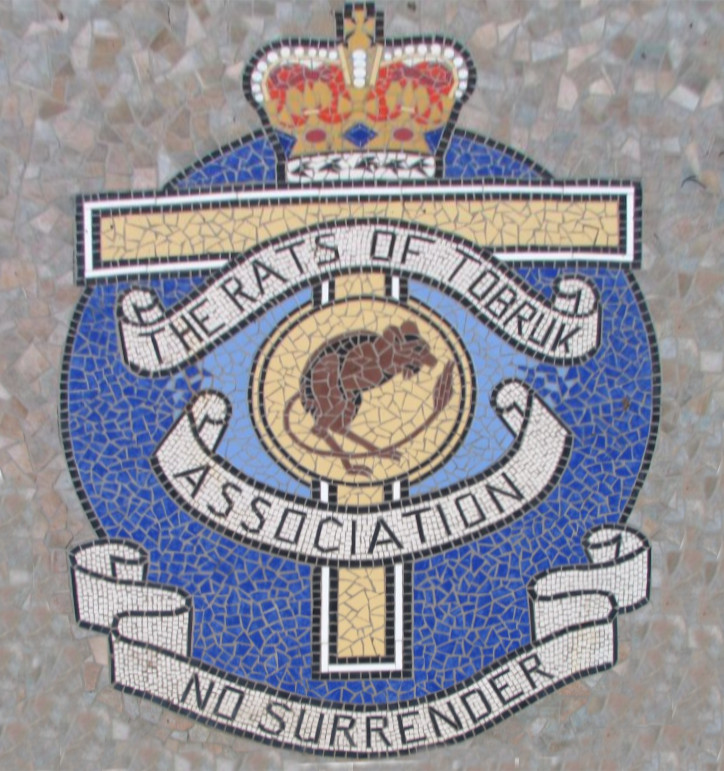
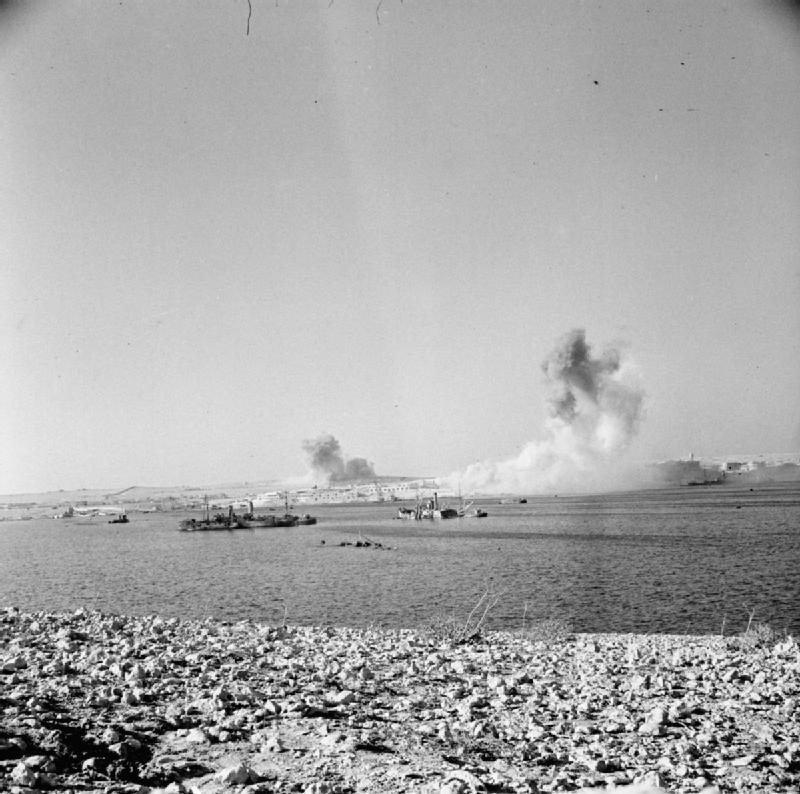
"Rats of Tobruk" is the informal name adopted by the Allied defenders of the Libyan port of Tobruk during a prolonged confrontation with Axis forces in World War II. The phrase grew out of enemy propaganda and was later worn as a badge of pride by the garrison. The siege began on 10 April 1941 and lasted until relief at the end of November that year, during which the harbour and its immediate approaches were held against sustained attacks.
Image gallery
5 Images


Composition of the garrison
More than half of the defenders were Australian troops: elements of the 9th Division and parts of the 18th Brigade of the 7th Division commanded by Lieutenant General Leslie Morshead. Alongside them served British, Indian, Polish and Czechoslovak units, making the force a diverse Allied contingent. Troop numbers varied over the months as rotations and reinforcements took place; at times the garrison numbered in the tens of thousands, drawn from both Commonwealth and exile formations.
The siege: events and conduct
Axis pressure, largely applied by the German Allied forces component known as the Afrika Korps, sought to capture the port to secure supply routes and free Axis troops for operations farther east. The defenders used the harbour, coastal batteries and prepared positions to hold a compact perimeter. Regular bombardment, infantry assaults and skirmishes were countered by stubborn rear-guard action, frequent counterattacks and night-time resupply runs by sea. Between August and October a series of planned rotations moved Australian and some Indian units out by sea and replaced them with the British 70th Infantry Division and the Polish Independent Carpathian Brigade together with Czechoslovak detachments.
Conditions and tactics
Life inside the perimeter was marked by shortages, extreme heat, and the constant threat of shelling and air attack. Defenders improvised strongpoints, used anti-tank obstacles and coordinated artillery defences. Supply by sea—often under cover of darkness—was essential to sustain the garrison and to rotate units. Trench systems, forward posts and mobile reserves allowed the defenders to absorb pressure while keeping key areas, including docks and fuel stores, in Allied hands.
Significance and legacy
The successful defence tied down Axis resources and prevented a rapid Axis advance along the coast. For Australia, in particular, the defence became an emblem of national determination and is commemorated in memorials and regimental histories. The episode is also studied as an example of static coastal defence supported by logistical ingenuity under fire.
Notable facts
- The name "Rats of Tobruk" originated as an insult in enemy propaganda but was embraced by the defenders as a mark of defiance.
- Commanders and units shifted over the siege: Australian formations under Leslie Morshead featured prominently early on, and later reliefs included the British 70th Division and exile formations such as the Polish Carpathian brigade and Czechoslovak battalion.
- The events are part of the wider North African campaign and illustrate how a relatively small, determined garrison can influence a larger theatre of war.
For further reading and primary documents see related entries on the Siege of Tobruk, the port of Tobruk itself, accounts of Australian troops in North Africa, and broader studies of the Allied forces and Axis operations in the region. Additional background on opposing formations is available in contemporary records of the Tobruk defence and analyses of the World War II North African campaigns.
Questions and answers
Q: Who were the Rats of Tobruk?
A: The Rats of Tobruk were the soldiers who defended the Libyan port of Tobruk against the Afrika Corps during the Siege of Tobruk in World War II.
Q: When did the siege of Tobruk start?
A: The siege of Tobruk started on 10 April 1941.
Q: When was the siege of Tobruk relieved?
A: The siege of Tobruk was relieved at the end of November.
Q: Which Australian troops made up more than half of the Allied presence in Tobruk?
A: Australian troops of the Australian 9th Division and the 18th Brigade of the Australian 7th Division under Lieutenant General Leslie Morshead made up more than half of the Allied presence in Tobruk.
Q: How many men were there in the garrison at Tobruk?
A: There were more than 14,000 men in the garrison at Tobruk.
Q: What other troops were part of the garrison at Tobruk apart from the Australians?
A: The rest of the garrison was made up of 12,000 British (the 3rd Armoured Brigade, 4 artillery regiments) and Indian (the 18th King Edward's Own Cavalry) troops.
Q: Who replaced the Australian troops and Indian cavalry during the siege of Tobruk?
A: The British 70th Infantry Division and the Polish Independent Carpathian Brigade with the Czechoslovak 11th Infantry Battalion under command replaced the Australian troops and Indian cavalry during the siege of Tobruk.
Related articles
Author
AlegsaOnline.com Rats of Tobruk — the 1941 Allied garrison and siege Leandro Alegsa
URL: https://en.alegsaonline.com/art/98707