
Tétouan — Moroccan city and UNESCO‑listed medina
Tétouan is a historic port city in northern Morocco known for its well‑preserved medina, Andalusian heritage, and location near the Strait of Gibraltar.
Overview
Tétouan is a city in northern Morocco that has long served as a cultural and commercial crossroads. It sits close to the Strait of Gibraltar and on the shores of the Mediterranean Sea, giving it strategic importance and a distinct blend of Mediterranean and North African influences. The city's names in various languages reflect its multicultural history: Arabic: تطوان, Berber: ⵜⵉⵟⵟⴰⵡⵉⵏ, French: Tétouan and Spanish: Tetuán.
Image gallery
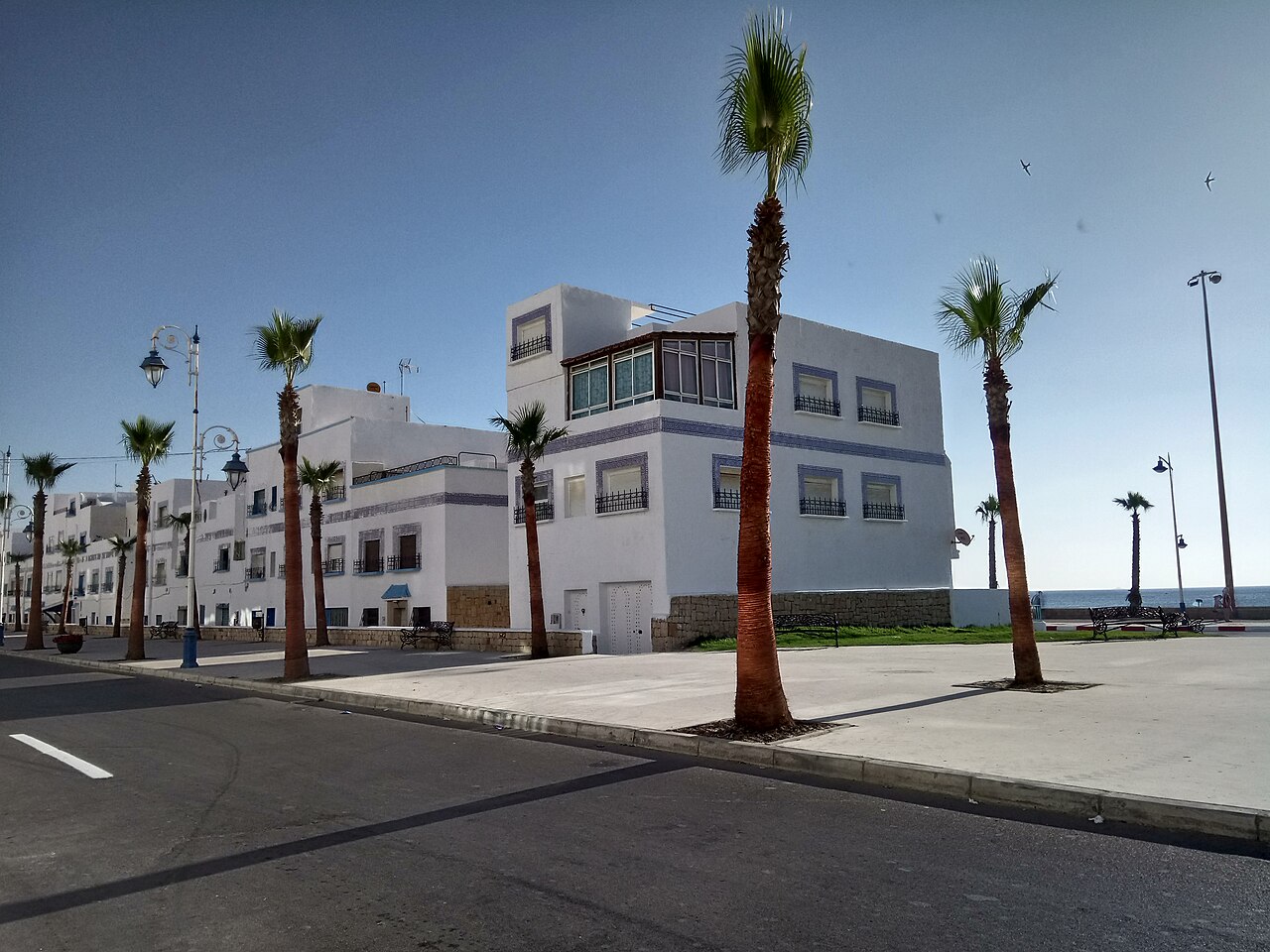
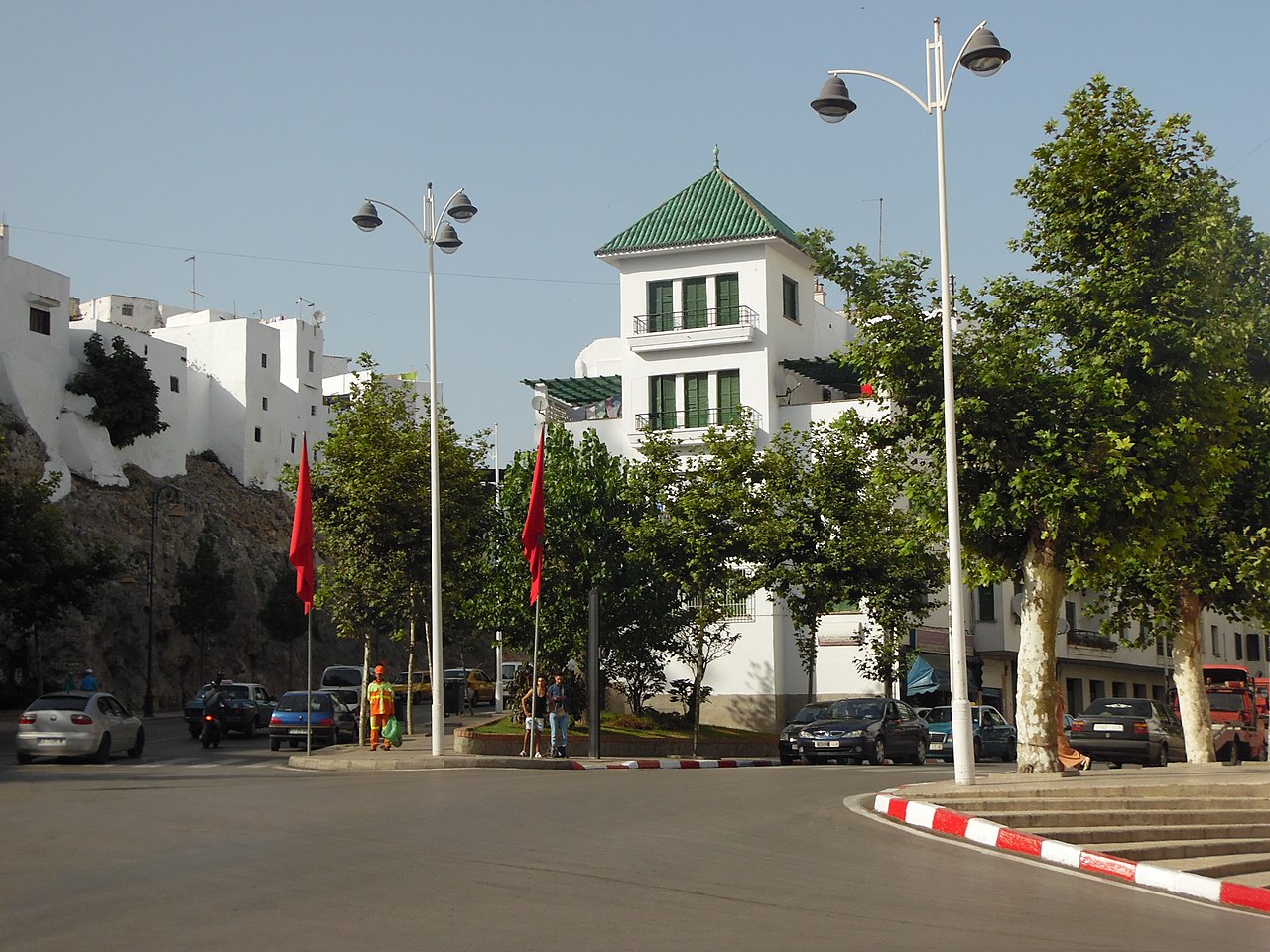
10 Images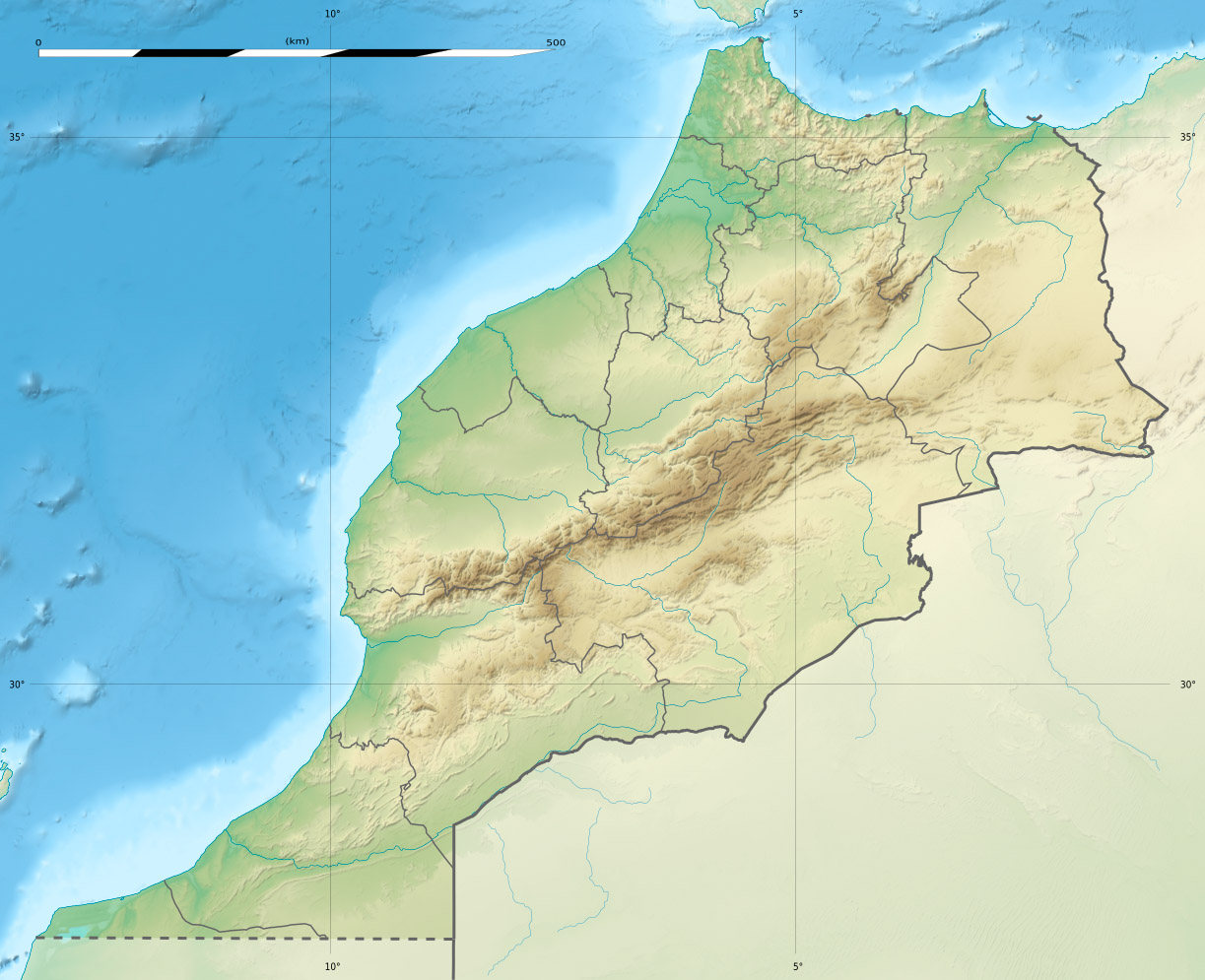





Geography and population
Tétouan lies a short distance south of the narrow gateway between Europe and Africa and roughly east‑southeast of Tangier. The city occupies a coastal plain framed by the Rif Mountains, which shapes its climate and traditional economic activities. According to official counts, the city had a population of about 380,787 people at the 2014 census, serving as a regional center for commerce, services and artisanal production.
History and cultural influences
The urban fabric of Tétouan preserves layers of history: indigenous Berber communities, Andalusian refugees from Iberia, Ottoman period contacts and later European presence. The influence of exiled Andalusian artisans and settlers is especially visible in local architecture, crafts and musical traditions, giving the city a reputation for a distinct Andalusi‑Moroccan cultural identity.
The medina and architecture
The old town, or medina, is one of Tétouan's defining features. Its narrow lanes, whitewashed houses, interior courtyards and detailed plaster and woodwork display a cohesive urban ensemble rooted in Andalusian planning. For its authenticity and the quality of its built heritage the medina was inscribed on the UNESCO World Heritage List, recognized for being one of the best‑preserved examples of a historic Mediterranean medina.
Economy, crafts and contemporary life
Traditional crafts remain important: ceramics, tilework, leatherwork and textile embroidery are produced and sold in souks and family workshops. The nearby port and accessibility to European markets have influenced trade and tourism, while modern services and small industries serve the local population. Festivals, culinary specialities and music continue to draw both domestic visitors and international travelers.
Notable facts and visitor information
- Language landscape: Arabic and Berber are widely spoken alongside historical Spanish and French influences.
- Heritage: The medina's streets and monuments are often cited as a textbook example of Andalusian‑influenced urbanism in North Africa.
- Location: Its proximity to the Mediterranean and the Strait of Gibraltar has shaped its role as a port and gateway for centuries.
Tétouan today combines living traditions and modern life, making it an informative destination for those interested in architecture, history and the meeting point between Mediterranean and Maghrebi cultures.
Related articles
Author
AlegsaOnline.com Tétouan — Moroccan city and UNESCO‑listed medina Leandro Alegsa
URL: https://en.alegsaonline.com/art/97239