
Terbium (Tb): properties, history, and practical uses
Terbium is a silvery rare-earth metal (symbol Tb, atomic number 65) used in phosphors, magnetostrictive alloys and electronic materials. This article covers its properties, origin, uses and notable facts.
Overview
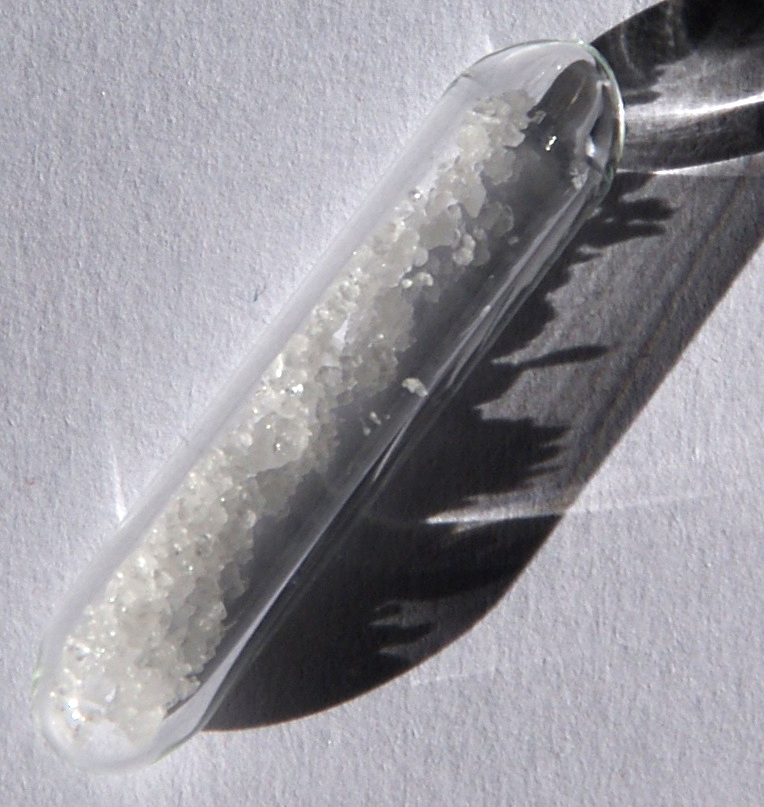
Terbium is a chemical element with the symbol Tb and atomic number 65. It belongs to the lanthanide series, a group commonly called the rare-earth elements. In its metallic form terbium is silvery-gray and relatively soft; in compounds it most often occurs in the +3 oxidation state. Many terbium compounds are notable for emitting green fluorescence under ultraviolet light.
Image gallery
6 Images



Characteristics and chemistry
Chemically, terbium behaves like other lanthanides: it forms stable trivalent ions (Tb3+) that integrate into a variety of oxides, halides and coordination compounds. When heated in air, terbium metal oxidizes to form mixed oxides; some terbium oxides are used as precursors for other materials. The element also shows interesting magnetic and luminescent behavior that is exploited in applied materials.
History and occurrence
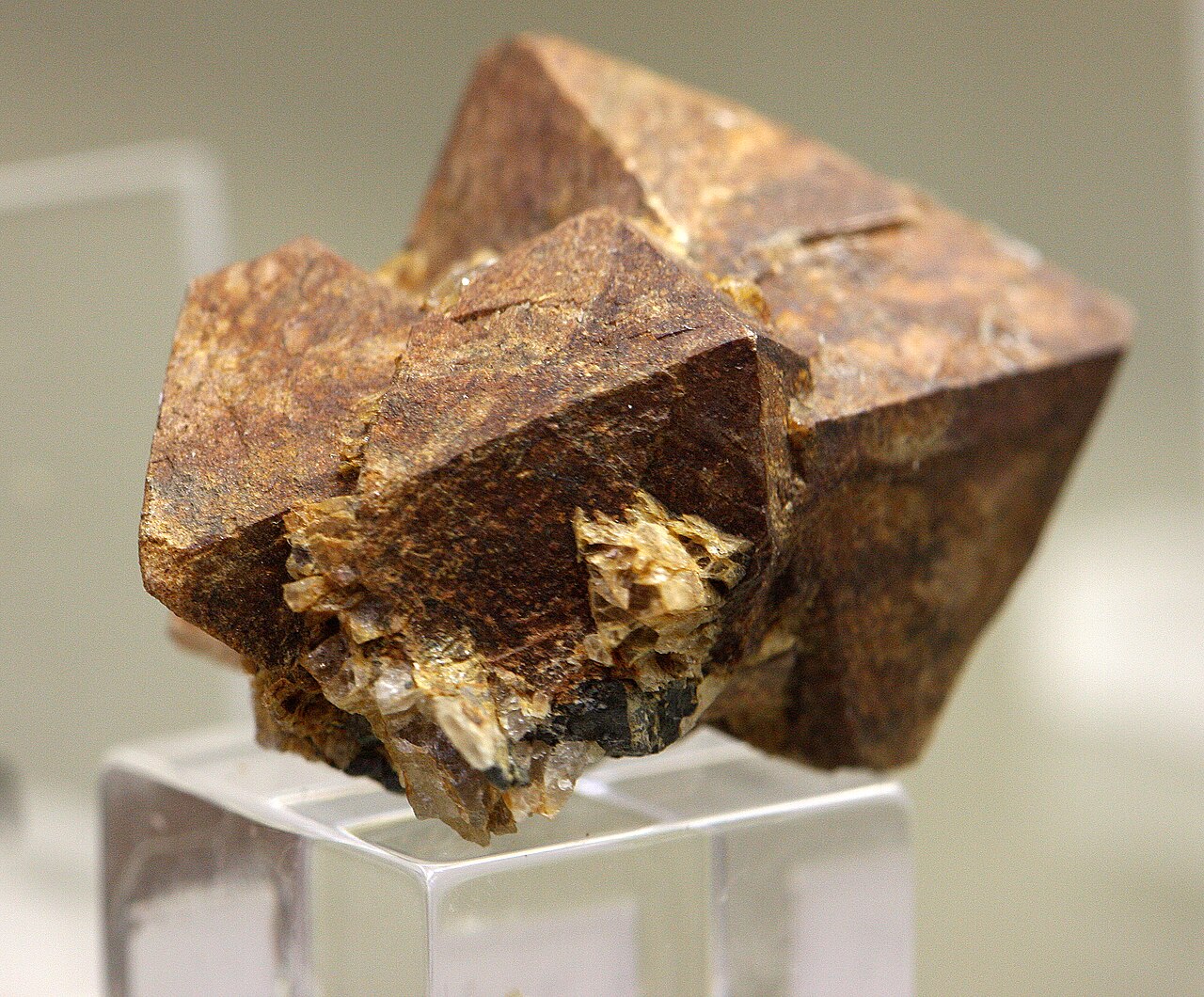
Terbium was identified in the 19th century among the complex mixture of elements obtained from minerals discovered near Ytterby, Sweden. Its name derives from that locality. It is not found free in nature but is extracted from rare-earth-bearing minerals such as monazite and bastnäsite by multi-step chemical separation processes. For a general reference see the element entry: Terbium and consult a standard periodic table for placement and neighbors.
Uses and applications
Terbium's principal roles are tied to its optical and magnetic properties. Representative uses include:
- Green phosphors and fluorescent materials for lighting and displays, where terbium-doped compounds produce a vivid green emission.
- Magnetostrictive alloys (for example, alloys combining terbium with dysprosium and iron) that change shape in magnetic fields and are used in sensors and actuators.
- Specialized electronic and optical materials, such as dopants in solid-state lasers or ceramics that require specific luminescent or magnetic traits.
Notable facts and distinctions
Terbium is one of several elements first separated from the so-called yttria earths; its chemistry is similar to neighboring lanthanides but its distinctive green luminescence and role in high-performance alloys make it valuable. For more on atomic structure and properties consult atomic references and material-handbook style sources. Safety-wise, terbium compounds are handled under standard precautions for fine powders and metal salts; consult a chemical safety datasheet or authoritative guidance before laboratory work.
Related articles
Author
AlegsaOnline.com Terbium (Tb): properties, history, and practical uses Leandro Alegsa
URL: https://en.alegsaonline.com/art/97062