
Tenrikyo — Japanese faith emphasizing a joyous life and communal service
Tenrikyo is a Japanese religious movement founded in the 19th century that teaches belief in a single parental deity, promotes a joyous life through mutual help, and maintains a central community in Tenri.
Tenrikyo is a Japanese religious movement that originated in the early 19th century and centers on the idea of a single parental deity. Followers address the deity as Oyagami ("Parent God") and revere their foundress, Miki Nakayama, as Oyasama ("Great Parent"). The movement emphasizes ethical living directed toward a principal aim: that all people attain a joyous, fulfilled life. This guiding ideal shapes Tenrikyo's teachings, community activities, and ritual life.
Image gallery
7 Images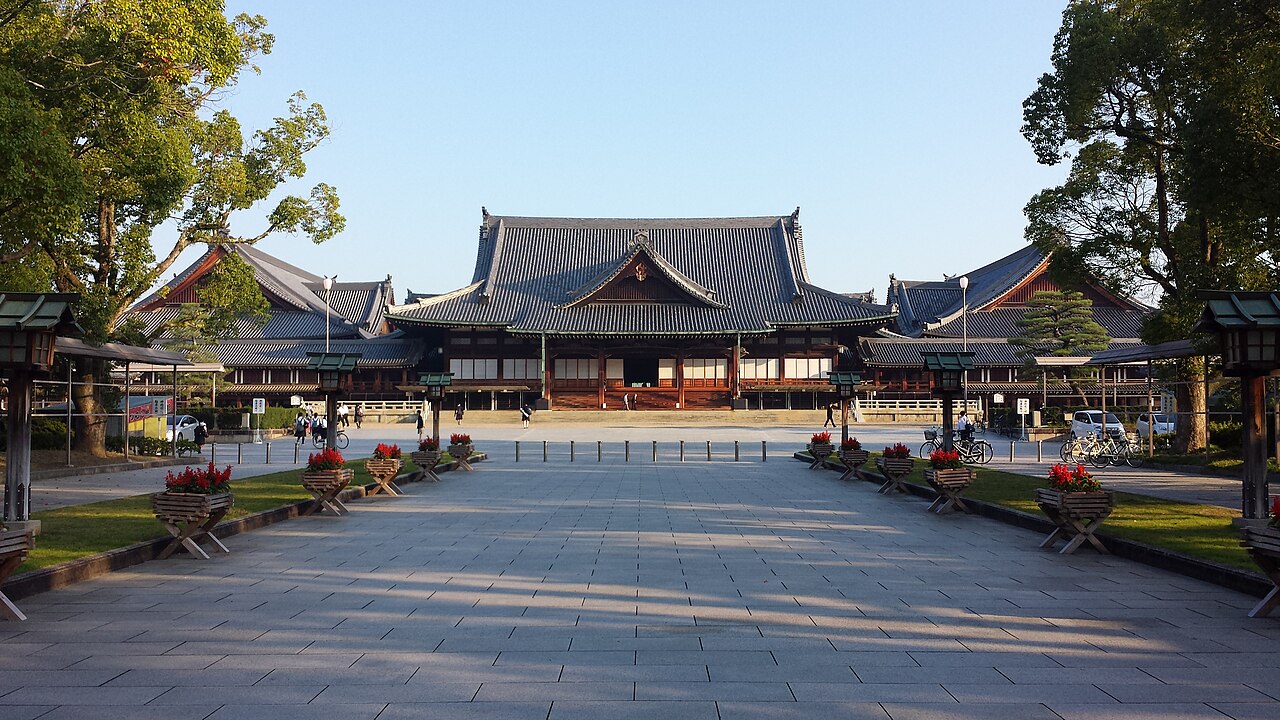




Core beliefs and aims
Tenrikyo teaches that human beings are children of the divine Parent and that life’s difficulties stem from deviations of thought and action. Spiritual practice centers on cultivating sincere intentions and performing acts that benefit others. The movement's phrase for its moral aim is often rendered in English as the pursuit of a "joyous life"; this idea underpins both personal conduct and social outreach. The faith stresses responsibility to others, encouraging followers to help alleviate suffering through practical service as well as spiritual encouragement.
Practices and forms of worship
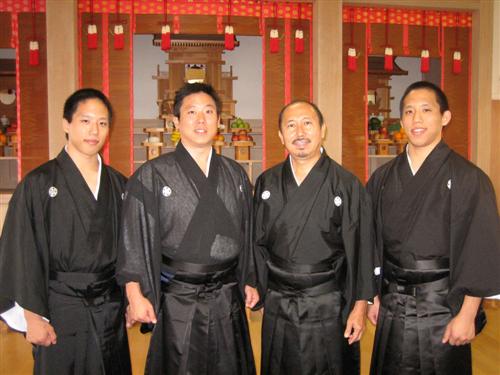
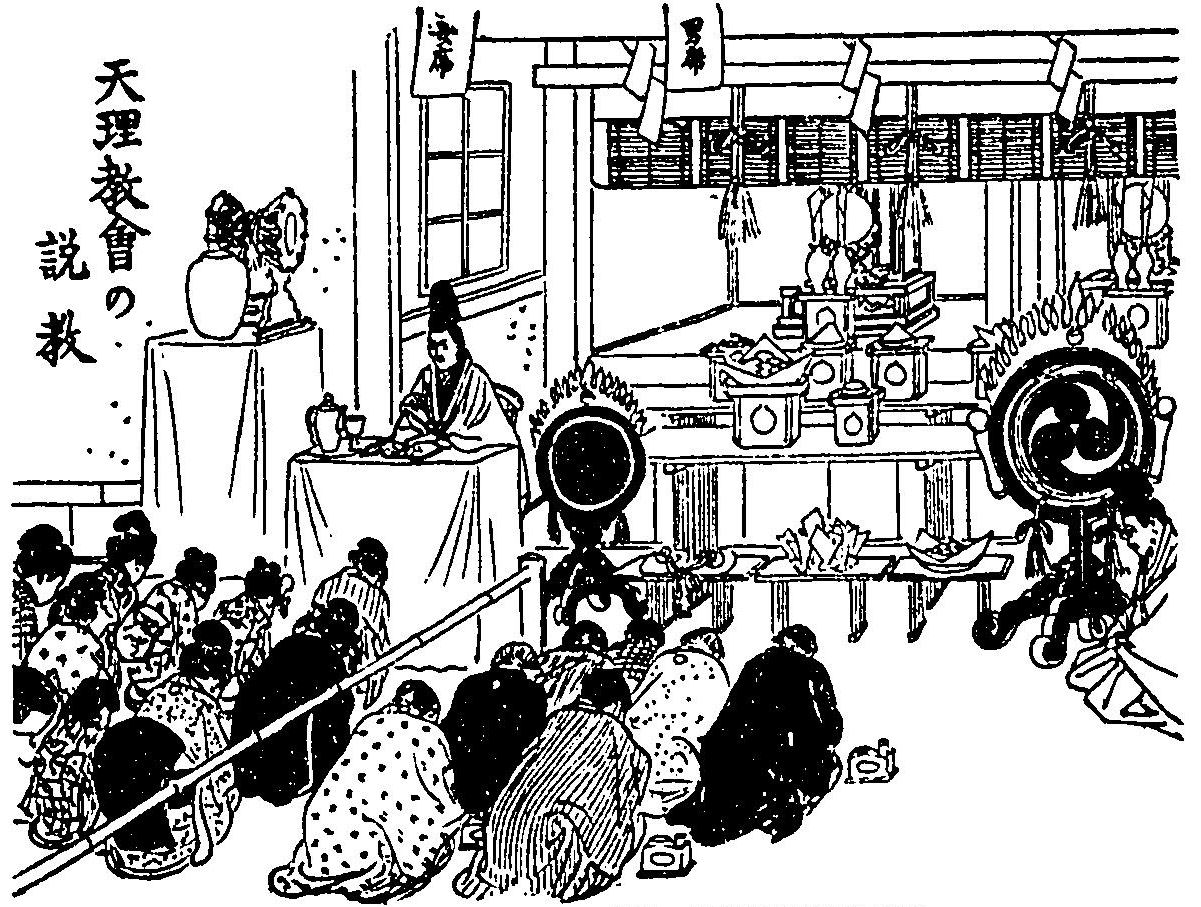
Worship in Tenrikyo includes communal services, ritual music and movement, prayer, and offerings performed at branch churches and the main shrine. A distinctive communal ritual is a coordinated liturgical service often involving rhythmic movement and musical accompaniment intended as expression of gratitude and purification. Devotional practices are combined with everyday acts of voluntary labor and charity, sometimes described by followers as selfless service. These activities are intended to nurture communal bonds and to realize the religion’s ethical goals.
History and founder
The movement was founded when Miki Nakayama, a woman from rural Japan, reported receiving teachings and guidance from the divine. Those teachings were transmitted orally by early adherents and later organized into a systematic doctrine as the community grew. Tenrikyo developed within the social and religious context of 19th-century Japan and later established formal institutions to coordinate education, health care, and worship for its adherents.
Institutions, community life, and rituals
Tenrikyo's organizational center is Tenri City in central Japan, where the movement maintains a central sanctuary and a network of educational and welfare institutions, including a hospital and higher education facilities. Pilgrimages and large communal services attract adherents from across the country and overseas. The community balances ritual observance with practical social engagement, and institutional programs often combine spiritual teaching with social services to the wider public. Many visitors and scholars note the visible commitment to communal care and education within Tenri’s institutions.
Distinctive features and global presence
Tenrikyo is distinct for its familial imagery of deity and people, its stress on joyous living as a collective ethical aim, and its blend of ritual, moral instruction, and social service. While rooted in Japan, the movement has established branches internationally and numbers on the order of millions of adherents worldwide. Its communal model and public institutions have led to ongoing interest from researchers of religion and practitioners seeking a faith that integrates daily life with communal responsibility.
- Deity: Oyagami, understood as a nurturing Parent
- Founder: Miki Nakayama, revered as Oyasama
- Goal: The joyous life through mutual help and sincere conduct
- Center: Tenri City, with temples, schools, and a hospital
For further introductory resources see general overviews of the faith and community life: one-God belief, historical background in Japan, contemporary teachings on the joyous life, and descriptions of central ritual practice.
Related articles
Author
AlegsaOnline.com Tenrikyo — Japanese faith emphasizing a joyous life and communal service Leandro Alegsa
URL: https://en.alegsaonline.com/art/97016