
Tennessee River
Major crescent-shaped tributary of the Ohio River in the southeastern United States, known for its watershed, navigation, dams, and role in regional development.
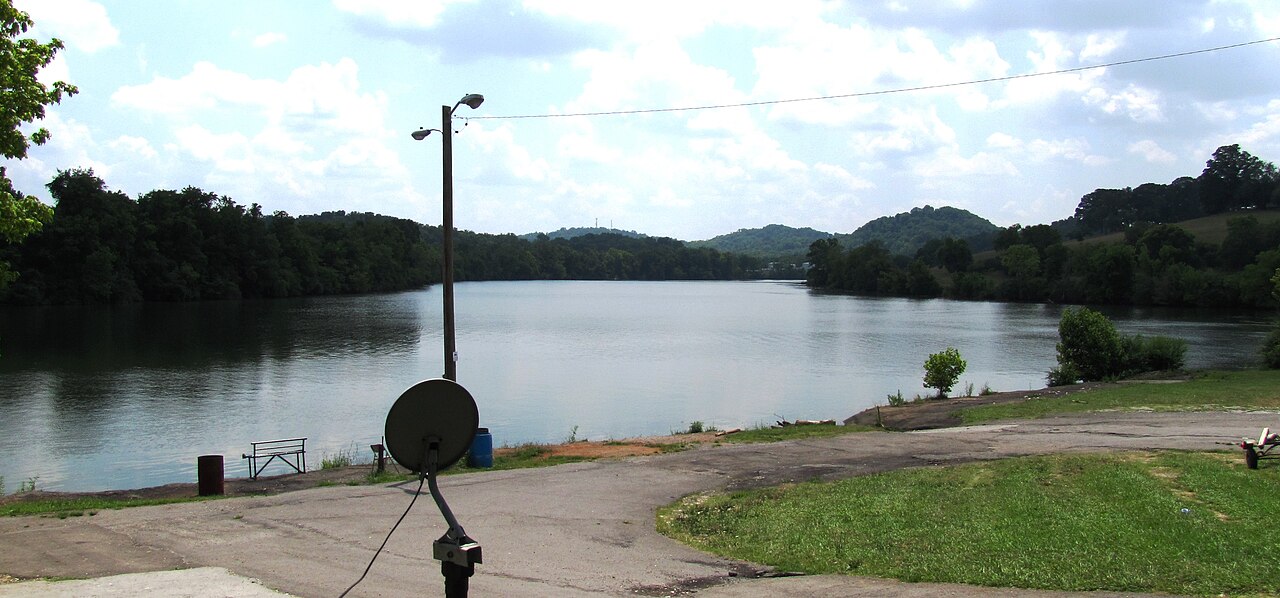
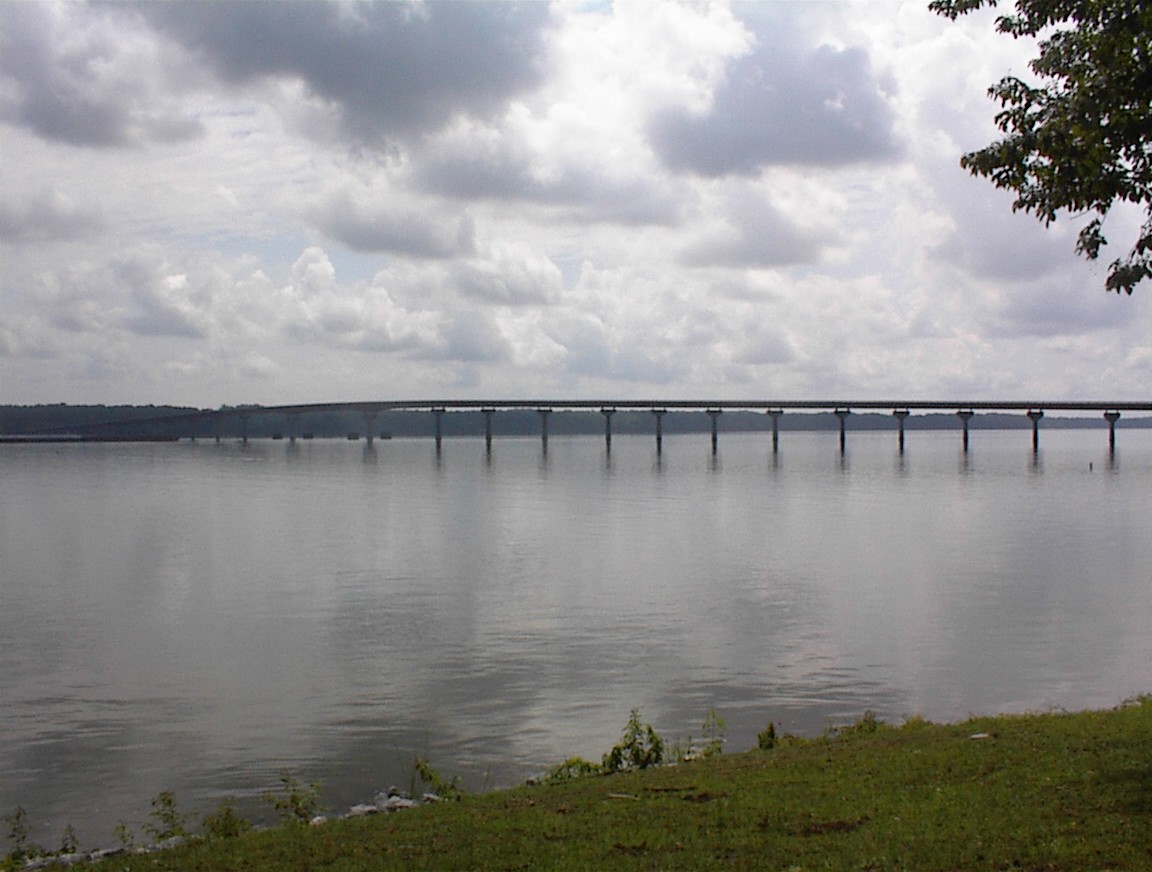
The Tennessee River is a principal watercourse of the southeastern United States, formed where two mountain streams meet and flowing in a broad crescent before joining the Ohio River. It is commonly described as a tributary or feeder of the Ohio (tributary) and plays a central role in the drainage of a multi-state watershed. Its headwaters rise in eastern Tennessee, and the river loops southwest into Alabama, briefly marks part of the boundary with Mississippi, then turns north and west through Tennessee and Kentucky to meet the Ohio at Paducah.
Image gallery
7 Images



Course and watershed
The river's drainage basin extends into parts of several states, including Virginia, Kentucky, Tennessee, North Carolina, Georgia, Alabama and Mississippi. This watershed collects runoff from mountain ridges and plateaus and funnels it into a single, interconnected river system. The path of the Tennessee River creates a distinctive loop that influences settlement patterns, transportation corridors, and ecological zones in the valley it defines.
Human uses and infrastructure
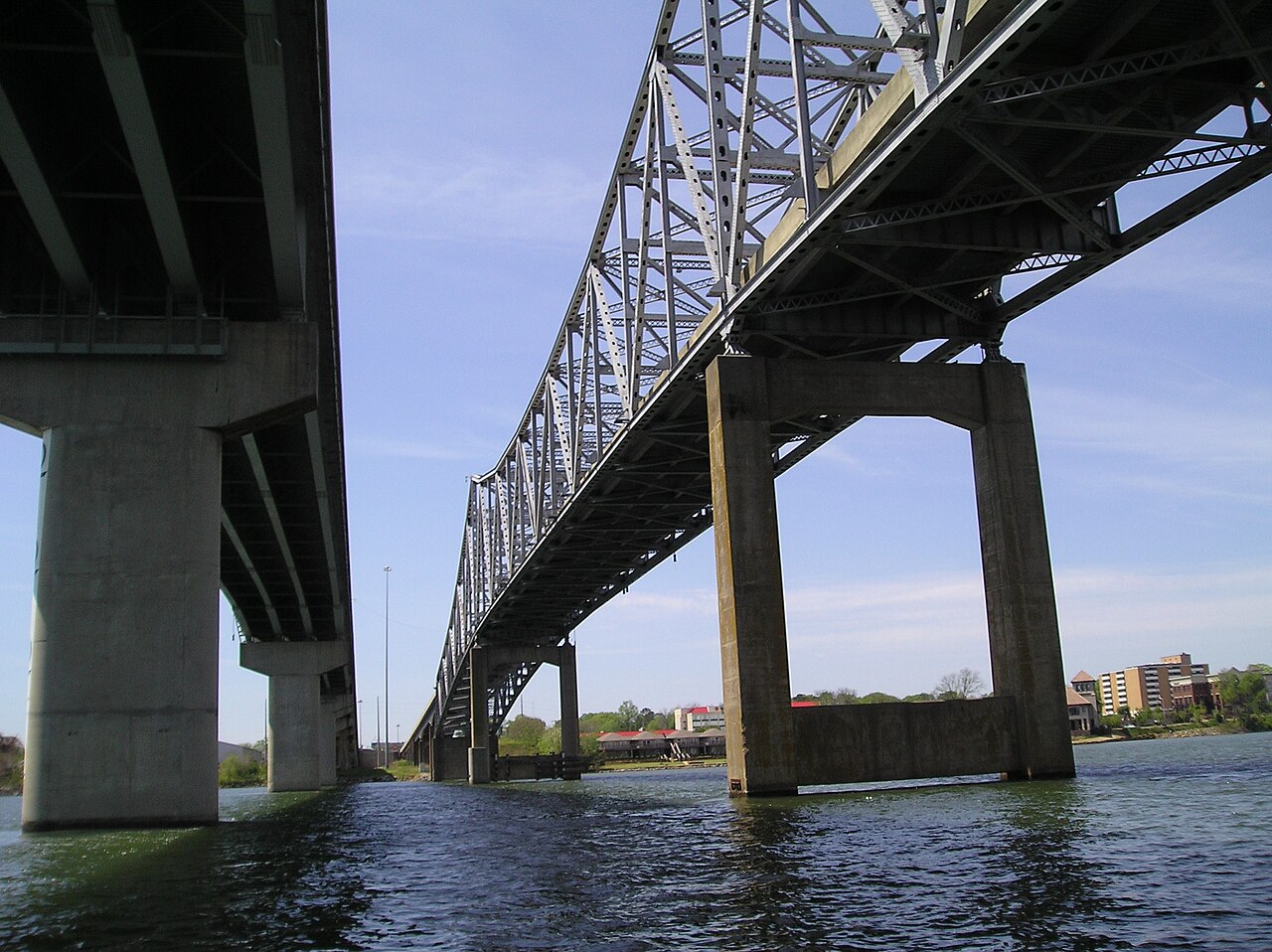
The Tennessee River has been developed extensively for navigation, flood control, and hydroelectric power. The region-wide public authority established during the 20th century coordinated construction of a series of locks and dams that created reservoirs, improved navigation for barge traffic, and generated electricity for industry and homes. Major dams and reservoirs along the river and its tributaries include projects that are widely known for their scale and impact on the valley.
- Hydropower and flood management
- Commercial and recreational navigation
- Municipal and industrial water supply
Ecology, recreation, and economy
The river and its reservoirs support diverse aquatic habitats and are important for fisheries, migratory birds, and other wildlife. Reservoir shores provide venues for boating, fishing, and lakeside recreation that sustain local tourism. At the same time, reservoir creation and industrial development altered native river ecosystems, and contemporary management balances human uses with conservation goals.
History and significance
Historically the river valley has been a corridor for indigenous peoples, early European settlers, and later industrial development. In the 20th century, large-scale public works significantly changed the river's character, enabling economic growth across the Tennessee Valley and improving navigation between the interior South and the Ohio-Mississippi river systems. The river remains a defining geographic feature of the region and a subject of ongoing environmental and planning efforts.
For further reading about the river's hydrology, engineering projects, and regional role, see resources on river terminology and the Ohio River connection: tributary, Ohio River, and state-specific overviews for eastern Tennessee, Alabama, Mississippi, Kentucky, Paducah, Virginia, North Carolina, and Georgia.
Related articles
Author
AlegsaOnline.com Tennessee River Leandro Alegsa
URL: https://en.alegsaonline.com/art/96987