
Adenoidectomy: surgical removal of the adenoids
Adenoidectomy is the surgical removal of adenoid tissue, mainly in children, to relieve nasal obstruction, recurrent ear infections, or sleep-disordered breathing. Procedure, recovery, risks and alternatives.
Overview
An adenoidectomy is the surgical removal of the adenoids, a collection of lymphoid tissue located high in the throat behind the nose at the rear of the nasopharynx. The operation is a common procedure in children and is performed by an ear, nose and throat surgeon as a form of surgery. It is usually done under anesthesia (from Greek roots meaning "without sensation") so the patient sleeps and feels no pain during the procedure. Recovery is typically short, often on an outpatient basis, though length varies with age and accompanying procedures.
Image gallery
2 Images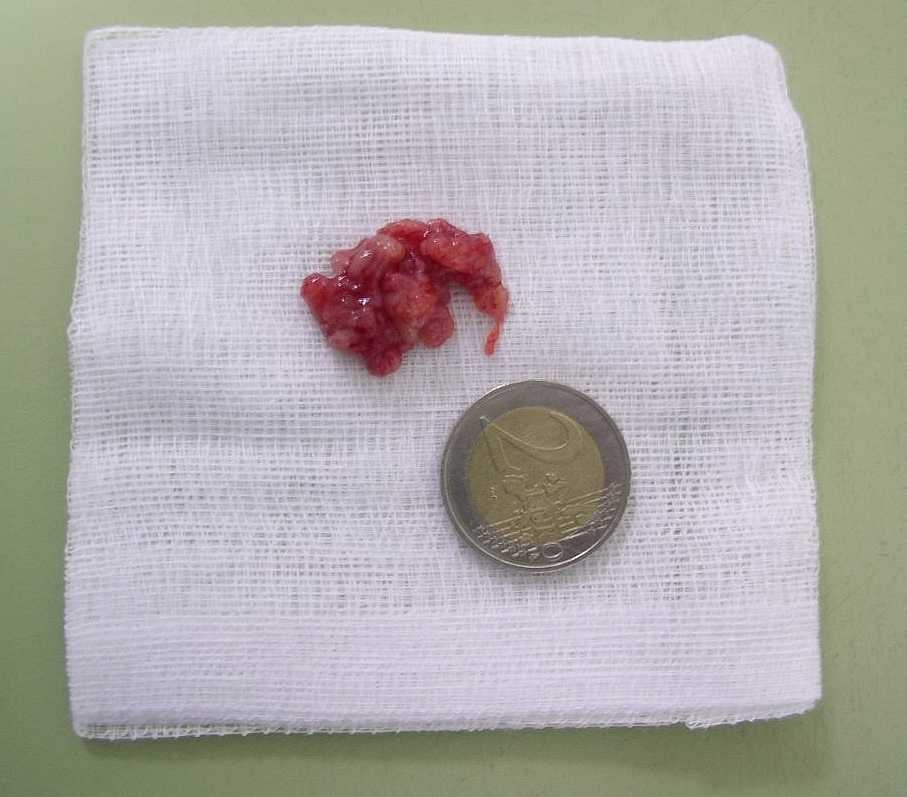
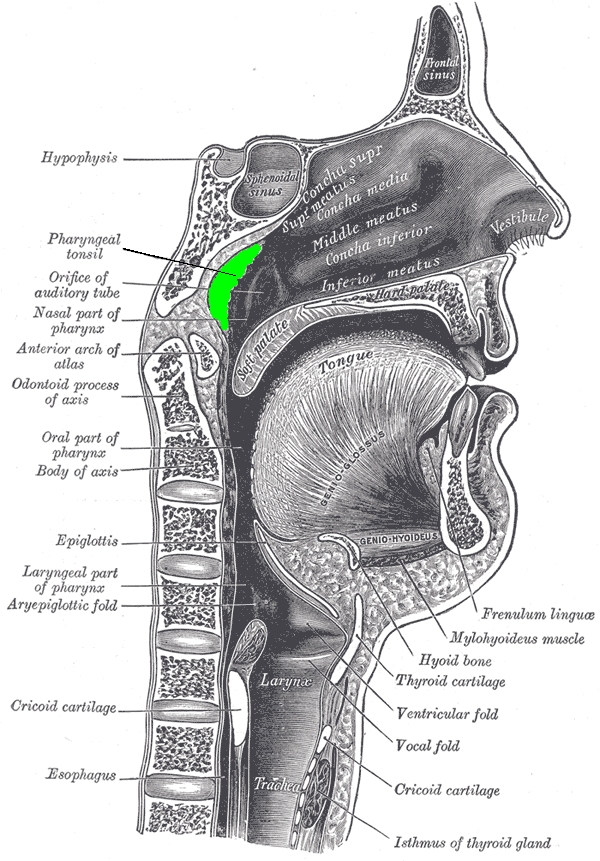
Anatomy and role of the adenoids
The adenoids are part of a ring of lymphoid tissue that includes the tonsils and other immune structures in the throat. During early childhood they participate in immune responses and help the body recognize airborne and ingested microbes, but they tend to shrink as children grow and are much smaller in late adolescence and adulthood (adult).
Common indications for removal
Adenoidectomy is recommended when enlarged or chronically infected adenoids cause significant problems. Typical indications include:
- Chronic nasal obstruction or mouth breathing that interferes with sleep or development
- Obstructive sleep-disordered breathing or suspected sleep apnea
- Recurrent or persistent middle ear infections (otitis media) associated with eustachian tube dysfunction
- Chronic rhinosinusitis or repeated adenoiditis not controlled with medical treatment
- Speech changes related to nasal blockage (hyponasal resonance)
Procedure and recovery
The operation can be done by several techniques: blind curettage, suction cautery, or under endoscopic guidance using instruments such as a microdebrider. It is most often combined with a tonsillectomy (adenotonsillectomy) when both tissues are problematic. General anesthesia is commonly used for children so the procedure is brief and the child is comfortable. Afterward patients are observed until awake and able to swallow; most leave the same day. Pain is usually mild compared with tonsillectomy, and normal activity is resumed over days rather than weeks.
Outcomes, risks and important considerations
Many children experience improved breathing, fewer ear infections, and better sleep after adenoidectomy. Possible complications include bleeding, infection, transient changes in voice or nasal speech, and, rarely, velopharyngeal insufficiency (a temporary nasal leakage during speech). In some cases adenoid tissue can regrow or symptoms persist if other factors contribute. Removing adenoids has little long-term detrimental effect on overall immunity because other lymphoid tissues compensate for their function (immune).
Alternatives and context
Before recommending surgery, clinicians often try medical measures such as antibiotics for infections, intranasal corticosteroids for inflammation, or referral for tympanostomy tubes when middle ear effusion dominates. The decision to operate balances symptom severity, impact on development or sleep, and response to conservative treatment. Adenoidectomy has been a standard treatment option for pediatric obstructive and infectious conditions, and modern surgical methods have reduced risks while improving recovery.
Causes of adenoid enlargement are commonly infectious or inflammatory in origin, involving repeated viral or bacterial stimuli (viral or bacterial infections). For more clinical details and practitioner guidance see specialist resources and local surgical guidelines (surgery reference, anatomy and location, adenoid tissue, etymology of anesthesia, adult considerations, immune implications, anesthetic care, infection causes).
Related articles
Author
AlegsaOnline.com Adenoidectomy: surgical removal of the adenoids Leandro Alegsa
URL: https://en.alegsaonline.com/art/969