
Albuterol (salbutamol): short-acting bronchodilator
Albuterol, also called salbutamol, is a short-acting beta2-adrenergic bronchodilator used to relieve bronchospasm in asthma and COPD. Delivered by inhaler, nebulizer, or oral formulations.
Overview
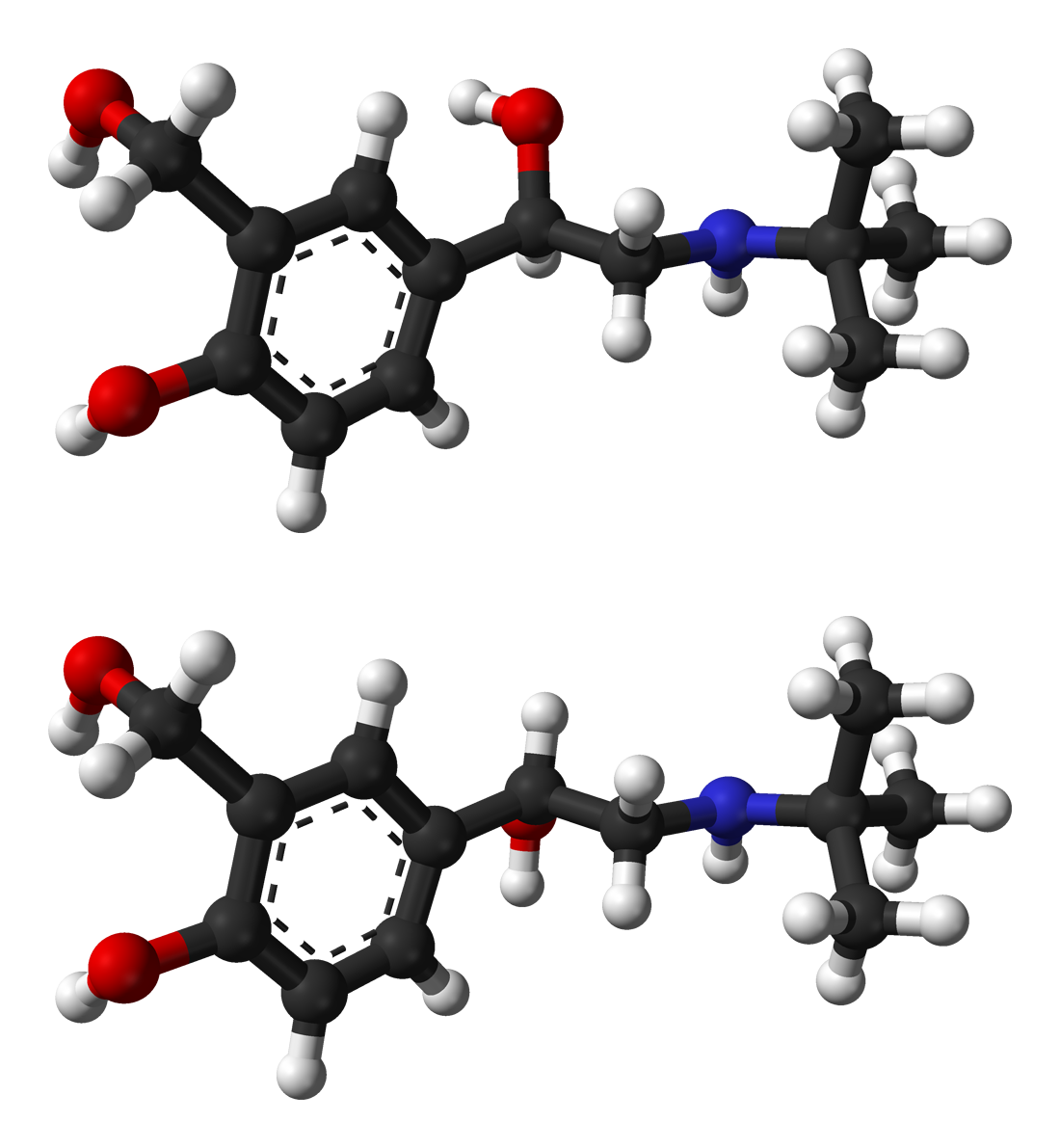
Albuterol (called salbutamol in many countries) is a fast-acting medication classified as a short-acting beta2-adrenergic receptor agonist. It is prescribed to relax airway smooth muscle and quickly ease breathing when airways narrow. In clinical terminology albuterol is often described simply as a bronchodilator, one of many medical treatments for obstructive airway conditions.
Image gallery
3 Images

How it works
At the cellular level albuterol stimulates beta2 receptors on bronchial smooth muscle, producing muscle relaxation and widening of the airways. By dilating the bronchi and smaller bronchioles the drug improves airflow so that oxygen can reach the lungs more effectively and then transfer into the blood. Its onset is rapid, making it suitable for acute relief of bronchospasm; the effect is temporary, therefore repeat or maintenance therapy is handled with other classes of drugs when needed.
Forms and administration
Albuterol is available in several formulations to match different clinical situations:
- Metered-dose inhalers and dry powder inhalers for self-administered, portable rescue use.
- Nebulizer solutions for inhalation when higher doses or assisted delivery are required (for example in young children or during severe attacks).
- Oral tablets or syrup and, less commonly, intravenous preparations for specific inpatient indications.
Clinical uses and examples
Common indications include relief of acute bronchospasm in asthma, chronic obstructive pulmonary disease (COPD), and some reversible airway disorders. Clinicians use albuterol as a rescue medication before exercise to prevent exercise-induced bronchospasm and as an initial agent to reverse acute wheeze while more comprehensive treatment is arranged.
Side effects and precautions
Typical side effects reflect systemic beta-adrenergic stimulation and include tremor, nervousness, palpitations or a fast heart rate, and occasional headaches. Less commonly it can alter blood potassium levels or provoke cardiac symptoms in people with heart disease. Because the drug acts quickly but for a limited time, medical guidance is important when symptoms are frequent or severe.
History, nomenclature and notable facts
Introduced in the 1960s and widely adopted for its rapid bronchodilating action, the compound is known under different names worldwide; salbutamol is the common non-U.S. name while "albuterol" is used in the United States. For further information and patient resources see prescribing guides and trusted drug information pages (drug information, therapy overviews, anatomy references, oxygen transport, pulmonary resources, circulation basics). Always consult a healthcare professional about appropriate use, dosing and interactions.
Questions and answers
Q: What is Albuterol?
A: Albuterol is a type of medicine that is a bronchodilator.
Q: What does Albuterol do?
A: Albuterol makes the bronchi wider, making it easier for oxygen to get to the lungs, and into the bloodstream.
Q: What are the bronchi?
A: The bronchi are the tubes that bring oxygen to the lungs.
Q: What is the function of oxygen in the body?
A: Oxygen goes into the blood and travels to the rest of the body.
Q: What is the proper medical term for albuterol?
A: In medicine, albuterol is called a β2 adrenergic receptor agonist.
Q: How is albuterol used in medicine?
A: Albuterol is used as a bronchodilator to relieve symptoms associated with conditions like asthma, chronic obstructive pulmonary disease (COPD), and bronchitis.
Q: What is the difference between albuterol and salbutamol?
A: Albuterol and salbutamol are the same medication, but salbutamol is the term used for the medication outside of the United States.
Related articles
Author
AlegsaOnline.com Albuterol (salbutamol): short-acting bronchodilator Leandro Alegsa
URL: https://en.alegsaonline.com/art/2185
Sources
- webmd.com : "Bronchodilators and Asthma"
- nlm.nih.gov : "Albuterol Oral Inhalation"
- nhs.uk : "Bronchodilator Medicines"
- mayoclinic.org : "Albuterol (Inhalation Route)"
- mayoclinic.org : "Albuterol side effects: Can I limit them?"
- livestrong.com : "Albuterol for Weight Loss"
- asthma.emedtv.com : "Albuterol Abuse"