
Teller, Alaska
Teller is a small Inupiat city on the Seward Peninsula of Alaska, population 249 in 2020. A remote coastal community with a subsistence economy, distinctive Arctic climate, and cultural significance to the Iñupiaq people.
Overview
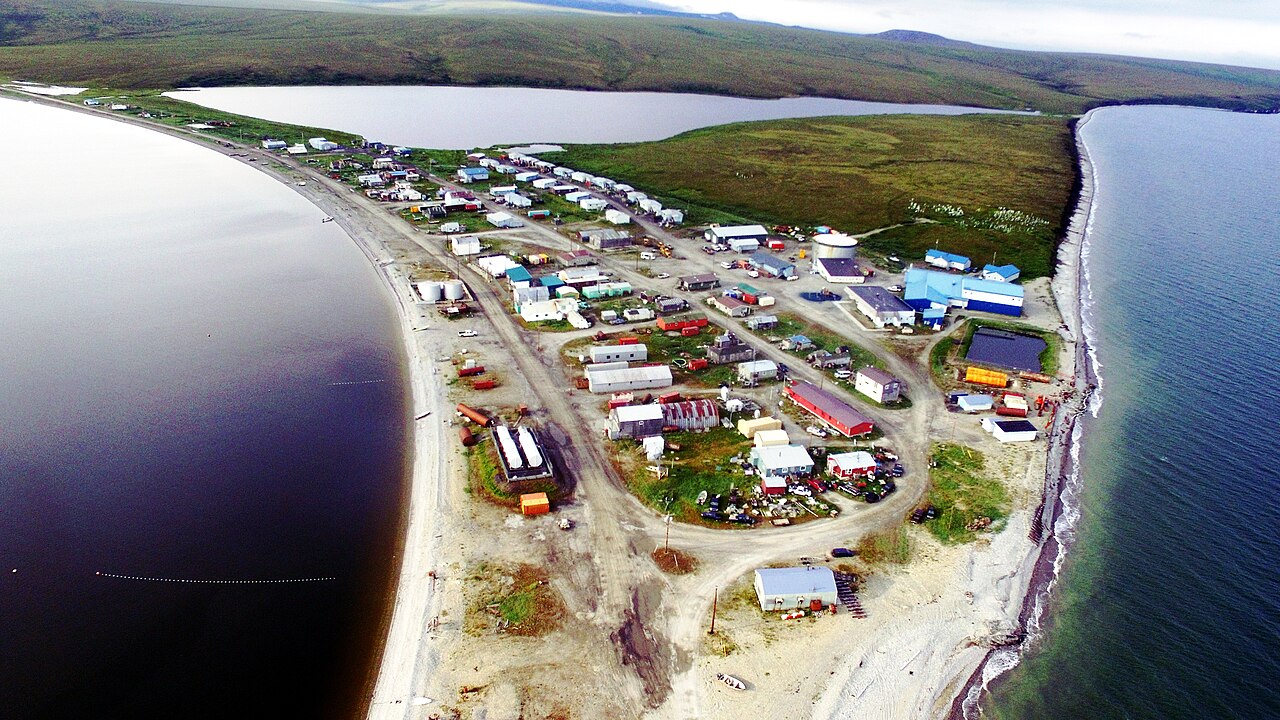
Teller is a small city on the Seward Peninsula in the Nome Census Area of Alaska. According to the 2020 census the population was 249, up from 229 in 2010. The community sits on the southern shore of the Seward Peninsula near the Bering Sea and is one of several coastal Inupiat settlements in western Alaska.
Image gallery
5 Images


Characteristics and economy
Teller combines traditional subsistence activities with limited wage employment. Residents rely on hunting, fishing and gathering for a substantial share of food — commonly harvesting seal, walrus, fish and migratory birds when seasons allow. Public services, the local school, and small-scale commercial activities provide additional jobs. The population is predominantly Alaska Native, and Iñupiaq language and cultural practices remain important.
Transportation to and from Teller is seasonal and limited: small aircraft and boats are common, and in winter snowmachines or ice travel are used. There are no year-round road links connecting Teller to larger hub towns, which reinforces its remote, self-reliant character.
History and culture
The community developed around trade, mission and whaling activity in the late 19th and early 20th centuries. The town’s name honors U.S. senator Henry M. Teller. Over time, Teller evolved into a center for regional subsistence trade and native governance, hosting cultural events and gatherings that maintain local traditions and knowledge.
Local institutions typically include a city government, tribal organization and a school; these bodies work together to manage services, subsistence access and community planning. Seasonal rhythms, sea ice conditions and wildlife migrations continue to shape daily life and cultural calendars.
Notable facts
- Remote coastal location on the Seward Peninsula near the Bering Sea.
- Population: 249 (2020 census), illustrating small but stable community size.
- Economy centered on subsistence hunting and fishing plus local services.
- Cultural landscape dominated by Iñupiaq traditions and language.
Related articles
Author
AlegsaOnline.com Teller, Alaska Leandro Alegsa
URL: https://en.alegsaonline.com/art/96857