
Ted Dabney — Co‑founder of Atari and Early Video Game Engineer
Samuel “Ted” Dabney (1937–2018) was an American electronic engineer who co‑founded Atari and helped create pioneering arcade games such as Computer Space and Pong. He designed the hardware that made early video games possible.
Overview
Samuel Frederick "Ted" Dabney (May 15, 1937 – May 26, 2018) was an American electronic engineer and an early pioneer of the commercial video game industry. He is best known as a co‑founder of Atari and as one of the engineers responsible for producing the hardware that powered some of the first commercially successful arcade games. His work helped establish practical techniques for generating video on cathode‑ray tubes and for simplifying game electronics so they could be manufactured at scale.
Image gallery
2 Images
Early career and founding of Atari
Dabney began his career as an electronics technician and later partnered with entrepreneur Nolan Bushnell. Together they moved from concept to product at a time when interactive video was largely experimental. Their collaboration led to the creation of an early arcade machine and, soon after, the formation of Atari, a company that would rapidly become synonymous with the new medium.
Technical contributions
Dabney specialized in practical circuit design for display and game control. Rather than relying on complex computers, many early arcade games used clever analog and discrete digital circuits to draw moving objects, register collisions, and generate sound. These simpler, robust designs made arcade production economical and reliable in the early 1970s. Dabney’s instincts for elegant, manufacturable electronics were a key element in turning laboratory prototypes into products sold to the public.
Notable projects and impact
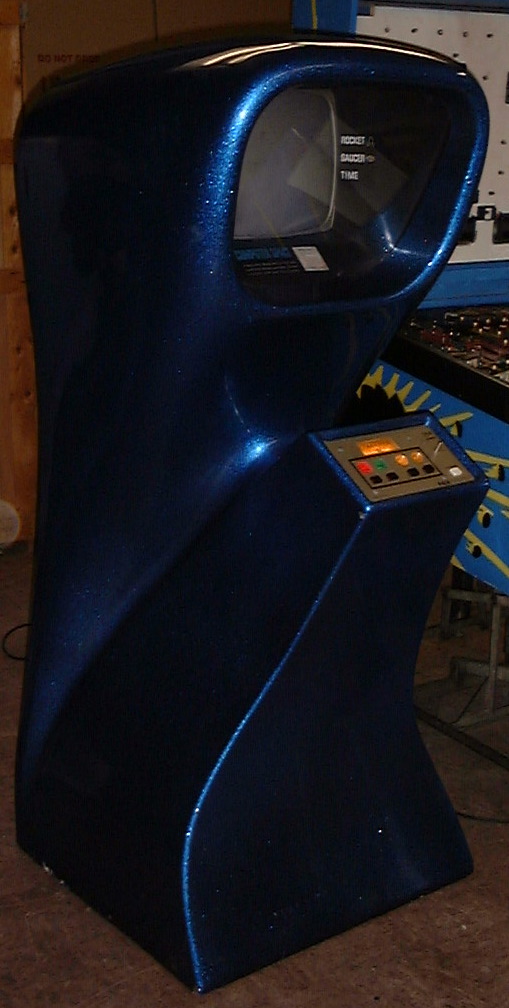
- Computer Space — an early arcade machine that introduced coin‑operated electronic entertainment to a broader market and demonstrated that space‑combat concepts could be packaged as a product.
- Pong — one of the first widely successful arcade games; Dabney was part of the team that brought this simple table‑tennis simulator into arcades and bars, helping create a new commercial category for games.
These projects showed manufacturers and venue operators that video games could be commercially viable entertainment, paving the way for later consoles and arcade classics.
Later life and legacy
Dabney left the company relatively early in its history and spent much of his later life away from the spotlight. Over time, historians and industry figures revisited his role and acknowledged the significance of his engineering work in the formative era of electronic gaming. His contributions are cited when tracing how simple, hardware‑based techniques evolved into modern game electronics and software design.
Death
In late 2017 Dabney was diagnosed with esophageal cancer. He died on May 26, 2018 in Los Angeles at the age of 81. His name remains linked with the earliest days of coin‑operated electronic games and the founding story of Atari, alongside collaborators such as Nolan Bushnell. For more on the early arcade era and the development of titles like Computer Space and Pong, see contemporary histories of video game origins and industry retrospectives.
Related articles
Author
AlegsaOnline.com Ted Dabney — Co‑founder of Atari and Early Video Game Engineer Leandro Alegsa
URL: https://en.alegsaonline.com/art/96710
Sources
- archive.computerhistory.org : "Oral History of Samuel F. (Ted) Dabney"
- eurogamer.net : "Atari co-founder Ted Dabney dies aged 81"