
Ted Lindsay: Player, Organizer, and Hall of Fame Left Winger
Overview of Ted Lindsay's hockey career, playing style, leadership in forming the NHLPA, later roles, honors and lasting legacy in professional ice hockey.
Robert Blake Theodore "Ted" Lindsay (1925–2019) was a prominent Canadian athlete in professional ice hockey, best known for his long career as a tenacious left winger. Over 17 seasons in the National Hockey League, he became widely respected for a combination of physical play, scoring ability and competitive intensity. Lindsay built most of his reputation with the Detroit Red Wings, and finished his playing days with the Chicago Black Hawks. His nickname "Terrible Ted" reflected both his ferocious style on the ice and the controversy that followed his off-ice efforts to improve conditions for players.
Image gallery
5 Images
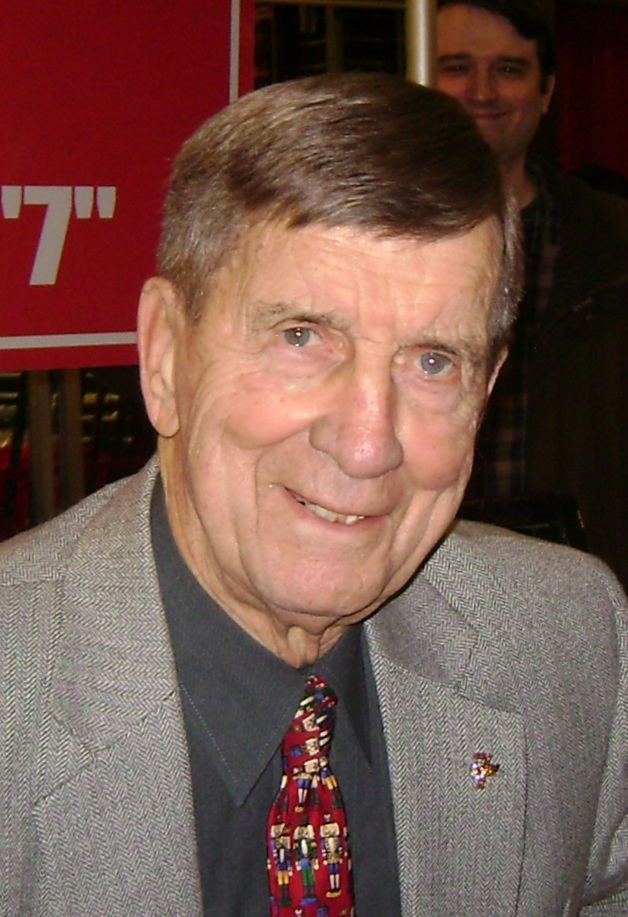


Playing style and on-ice contributions
Lindsay was a forceful winger who meshed scoring touch with grit. He was a key member of Detroit's high-scoring forward combinations and formed one of the era's most effective attacking units alongside teammates who included some of the game's best forwards. He was known for persistent forechecking, willingness to engage physically, and the ability to produce points in important games. Those qualities helped him stand out in a period when the NHL was smaller and competition for each roster spot and playoff spot was intense.
Achievements and recognition
During his playing career Lindsay won multiple team championships and was recognized individually for his offensive output. His accomplishments include:
- Four Stanley Cup championships as a member of successful Detroit teams, a hallmark of team success in the NHL (Stanley Cup).
- A season leading the league in scoring that earned him the Art Ross Trophy.
- Induction into the Hockey Hall of Fame, reflecting his impact on the sport.
- Later institutional honors such as retirement of his jersey number by Detroit and placement on historical rankings of top players by publications like The Hockey News.
Labor activism and the NHLPA
Beyond statistics and championships, Lindsay is remembered for his role in early efforts to organize players. In the 1950s he helped push for collective organization and better treatment of players, efforts that contributed to the eventual formation of the modern National Hockey League Players' Association. His advocacy made him a controversial figure among some owners and team officials, and it also influenced roster moves late in his career, including a trade to Chicago that many observers have linked in part to his organizing activities.
Later career, management and legacy
After retiring as a player, Lindsay remained connected to hockey. He held front-office and coaching responsibilities with the Detroit franchise at various times, including roles as general manager and head coach. Over decades his name became linked not just with on-ice success but with improvements to players' rights and working conditions in professional hockey. Hockey historians and fans often cite him both for individual excellence and for the broader, lasting effects of his off-ice leadership.
Ted Lindsay's life and passing were widely noted in hockey circles. He died at age 93 at his home in Oakland Charter Township, Michigan. His career remains a touchstone in discussions of mid-20th-century hockey: a player who combined scoring, physical play and a willingness to challenge the status quo, and whose honors include entry into the Hall of Fame and commemorations by his longtime club.
For more detailed career statistics, team histories and archival material, see resources linked to team and league histories and contemporary retrospectives via available reference collections (biographical overview, league history, team archives, Black Hawks history, Stanley Cup records, scoring leader lists, players' association resources, Hall of Fame, period journalism, sporting context, position analysis, local obituary notices).
Related articles
Author
AlegsaOnline.com Ted Lindsay: Player, Organizer, and Hall of Fame Left Winger Leandro Alegsa
URL: https://en.alegsaonline.com/art/96718
Sources
- legendsofhockey.net : "Ted Lindsay Legends of Hockey profile"
- redwings.nhl.com : "Retired Jerseys: Ted Lindsay"
- clickondetroit.com : clickondetroit.com/news/wacth-obituary-for-ted-lindsay