
Atari, Inc.: Pioneer of Arcade Games and Home Computers
Atari, Inc., founded in 1972, helped define arcade cabinets and early home consoles and computers. Known for Pong and the Atari 2600, its brand and technologies influenced the modern video game industry.
Overview
Atari, Inc. is an American company best known for early arcade games and home computer systems. Founded in 1972 by Nolan Bushnell and Ted Dabney, Atari introduced some of the first commercially successful arcade cabinets and helped turn interactive electronic games into a mass-market entertainment category. Its simple yet influential titles and platforms established conventions still used in the industry today. For more general context on the company's place in entertainment, see video game histories and surveys.
Image gallery
8 Images




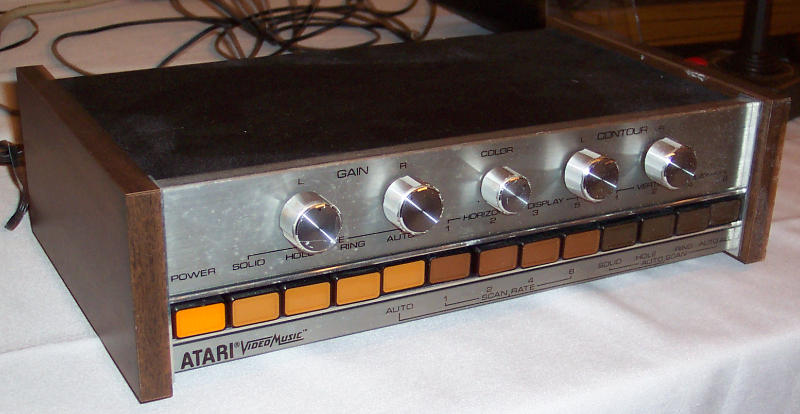
Key characteristics and products
Atari combined arcade hardware, dedicated consoles and programmable home computers. Its early arcade breakthrough, Pong, became a cultural touchstone. The company later released home systems and microcomputers that emphasized ease of play and broadened consumer access to games and software. Representative products include:
- Arcade cabinets and coin-operated machines (early 1970s)
- Atari VCS / 2600 home video game console (late 1970s)
- Atari home computer line and later personal computers
History and corporate changes
Atari grew rapidly after its founding and in 1976 became part of a larger entertainment corporation. As the market evolved, the company underwent several restructurings: consumer and arcade operations split, and later ownership changed hands, including a period under Jack Tramiel in the 1980s. The industry downturn of the early 1980s affected Atari heavily, and its consumer divisions were reorganized. Over time the "Atari" name was used by different successor companies and brands.
Impact, uses and legacy
Atari is credited with popularizing arcade gaming and bringing interactive entertainment into homes. Its hardware and game design influenced generations of developers, established business models for arcade and cartridge-based software, and inspired hobbyist programming on early home computers. Atari-era games remain studied for their design simplicity and constraints-driven creativity.
Notable distinctions and later developments
Several entities bearing the Atari name continued to release hardware and software or to license the brand. Some successor companies experienced financial difficulties and legal reorganizations; for example, there were publicized corporate restructuring and bankruptcy events involving later Atari-related companies. Coverage of Atari's legacy appears in retrospective media and technology histories; see general retrospectives at industry archives and research collections on early computing and home computer platforms.
For biographical and technical details about the founders and specific products, consult primary interviews and technical references such as the oral histories of Nolan Bushnell and design write-ups on titles often grouped as "classic games" (archive collections, founder recollections). Additional background and timelines are available in curated museum exhibits and publisher retrospectives (Pong chronicles, legal filings).
Author
AlegsaOnline.com Atari, Inc.: Pioneer of Arcade Games and Home Computers Leandro Alegsa
URL: https://en.alegsaonline.com/art/134735