
Tawaret: Ancient Egyptian Protector of Pregnancy and Childbirth
Tawaret (Taweret) is an ancient Egyptian protective goddess associated with pregnancy, childbirth and household safety, commonly shown as a composite hippopotamus figure and worn as amulets.
Overview
Tawaret, also written Taweret, is an Egyptian protective deity long associated with pregnancy, childbirth and domestic safety. Rather than a great state god with temples and a large priesthood, she functioned primarily as a household guardian whose image was placed where mothers and infants might need supernatural protection. Her role in popular religion endured for many centuries and is visible in a wide range of small objects and personal amulets.
Image gallery
10 Images


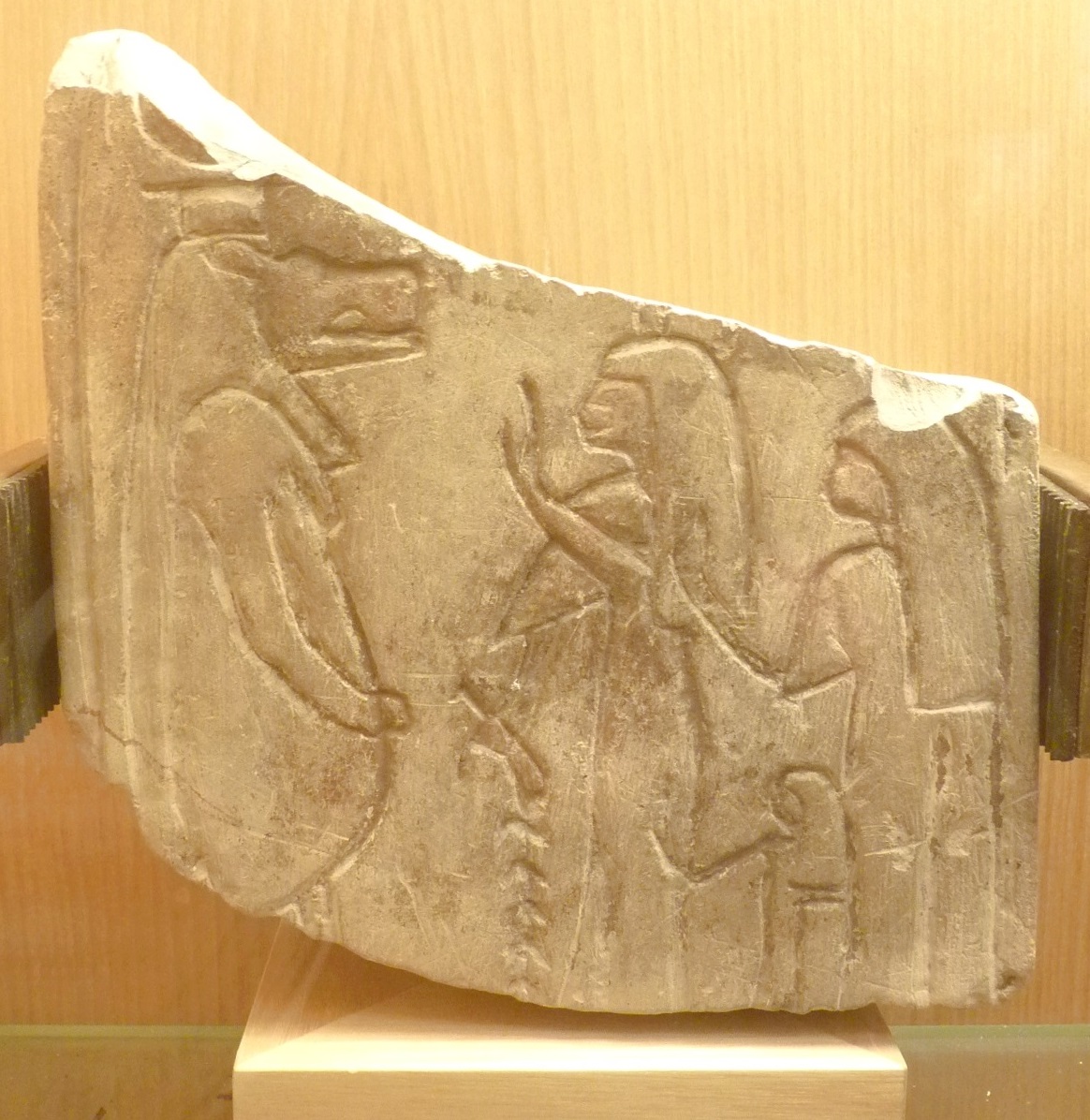

Iconography and characteristics
She is typically depicted as a composite female figure dominated by hippopotamus features, often with the pendulous breasts of a nursing mother and the rounded body of a hippo. Common artistic conventions add limbs or attributes borrowed from other dangerous animals—such as lionine legs or a crocodilian tail—emphasizing her fearsome side used against threats. In some portrayals she appears upright and anthropomorphic, and in others as a full animal form.
Cult, use, and archaeological evidence
Tawaret was chiefly present in domestic contexts rather than in grand temple rituals. Her likeness appears on amulets, wooden and faience figurines, bed-heads, mirrors, and household furniture intended for mothers and children. Women about to give birth, new mothers, and carers often used such objects for protection. Archaeological finds and museum collections illustrate how widespread and durable her imagery was across periods; she is invoked repeatedly where ordinary people sought safety for childbirth.
Reputation and relationships
Although called a goddess, Tawaret blends benevolent and frightening traits: the same attributes that make the hippopotamus a formidable protector of its young are used to symbolize her defensive power. She is sometimes mentioned alongside other protective figures in popular magic and is linked conceptually to deities of fertility and home life. Scholarly discussions place her among household cult figures whose importance lay in daily practical concerns rather than state ideology.
Notable facts and distinctions
- Her image commonly appears on amulets and objects placed in nurseries and at birthing sites.
- Tawaret's protective role is comparable to, but distinct from, other household guardians such as Bes; each had overlapping but separate functions in family ritual life.
- References to her and examples of her iconography can be found across ancient Egyptian periods, reflecting persistent popular devotion.
For further reading on ancient Egyptian household religion and protective amulets see general surveys and museum catalogs that document Tawaret artifacts. Many introductory resources discuss how amulets and figurines were integrated into everyday life (overview of Egyptian household deities, artifacts and amulets). For iconographic studies and typologies consult specialized catalogues and academic treatments (iconography references, museum collections).
Related articles
Author
AlegsaOnline.com Tawaret: Ancient Egyptian Protector of Pregnancy and Childbirth Leandro Alegsa
URL: https://en.alegsaonline.com/art/96561