
Tardive dyskinesia
Tardive dyskinesia is a movement disorder marked by involuntary, repetitive movements that typically appear after months or years of dopamine‑blocking drug exposure. This article covers causes, signs, diagnosis, and management.
Overview
Tardive dyskinesia (TD) is a persistent movement disorder characterized by involuntary, repetitive movements most commonly affecting the face, mouth and tongue but potentially involving the limbs and trunk. The name combines "tardive," meaning late or delayed, and "dyskinesia," meaning disordered movement. TD is considered a neurological condition and is most often linked to long-term exposure to medicines that block dopamine receptors; it can be socially disabling and difficult to treat.
Image gallery
1 Image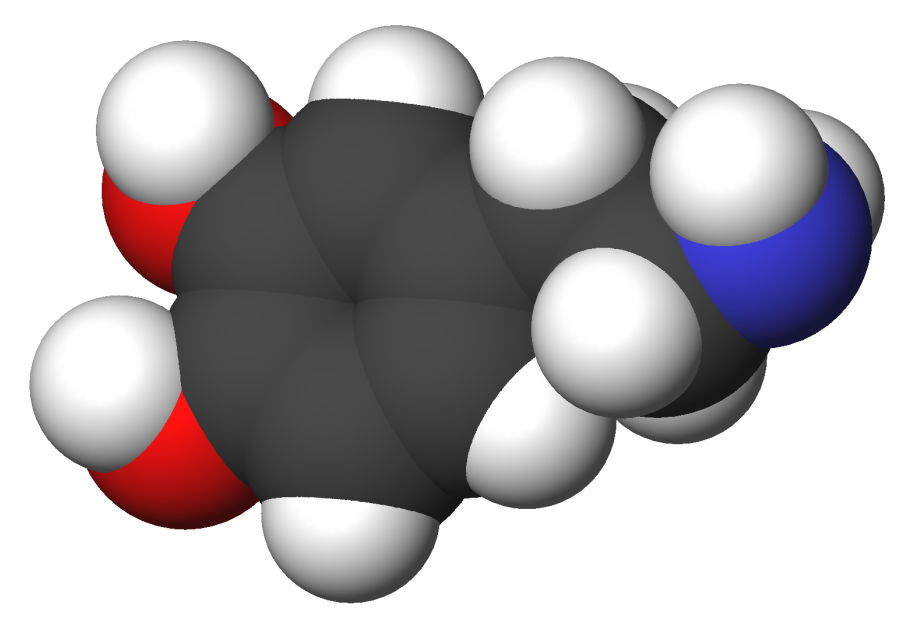
Typical symptoms and clinical features
Symptoms tend to be rhythmic or choreiform and often include:
- Orobuccal-lingual movements: grimacing, chewing motions, lip smacking, tongue protrusion.
- Limbs and trunk: chorea, writhing, or purposeless movements of the arms, legs, or torso.
- Respiratory or vocal changes: altered breathing, squeaks, or noises in severe cases.
Symptoms usually develop after weeks to years of drug exposure and may persist or even worsen after the offending drug is reduced or stopped.
Causes and risk factors
TD most commonly follows treatment with dopamine receptor antagonists used in psychiatry and neurology. First‑generation (typical) antipsychotics have historically carried the highest risk, but second‑generation (atypical) antipsychotics and some other agents (for example certain antiemetics) can also be implicated. See more about implicated medicines at common offending drugs.
Risk factors that increase the likelihood of TD include advanced age, female sex, long duration of exposure, higher cumulative doses, mood disorders, and comorbid medical conditions such as diabetes. TD can occasionally appear relatively quickly, but more often emerges months to years after starting treatment.
Mechanisms and history
Pathophysiologic explanations for TD emphasize long-term dopamine receptor blockade leading to receptor supersensitivity and maladaptive changes in basal ganglia circuits. Other contributing factors proposed include oxidative stress, alterations in GABAergic transmission, and synaptic plasticity. The association between antipsychotic drugs and tardive movements was recognized after the introduction of chlorpromazine and other mid‑20th century antipsychotics.
Diagnosis and management
Diagnosis is clinical and often aided by structured assessment scales such as the Abnormal Involuntary Movement Scale (AIMS). Differential diagnosis includes acute extrapyramidal reactions (which occur earlier), primary movement disorders, and drug-induced parkinsonism.
Management principles include minimizing or discontinuing the causative agent when safe, considering a switch to a lower-risk antipsychotic (for example clozapine in selected cases), and symptomatic treatments. Two VMAT2 inhibitors have emerged as targeted therapies and have been shown to reduce abnormal movements in many patients; for further information on current treatment options see therapeutic approaches.
- Nonpharmacologic and focal treatments: botulinum toxin for focal oro‑facial or limb dyskinesias.
- Supportive measures: patient education, psychosocial support and movement monitoring.
Prevention, prognosis, and notable facts
Prevention focuses on using the lowest effective dose of dopamine‑blocking agents, periodic monitoring with scales such as AIMS every few months, and careful risk–benefit discussions before long‑term treatment. Prognosis varies: some individuals improve after stopping the agent, but many experience persistent symptoms. TD remains clinically important because it can impair function, cause stigma, and complicate psychiatric treatment.
For clinicians and patients seeking reliable background or clinical guidance, review summaries and practice resources are available at general neurology and psychiatry references: further reading.
Related articles
Author
AlegsaOnline.com Tardive dyskinesia Leandro Alegsa
URL: https://en.alegsaonline.com/art/96379
Sources
- nlm.nih.gov : "Tardive Dyskinesia"
- emedicine.medscape.com : "Tardive Dyskinesia"
- rarediseases.org : "Tardive Dyskinesia"