
Bauska — historic town in southern Latvia
Bauska is a historical market town in southern Latvia, known for its medieval castle ruins, proximity to Rundāle Palace, river confluence, and its role in regional trade and tourism since receiving town rights in 1609.
Overview
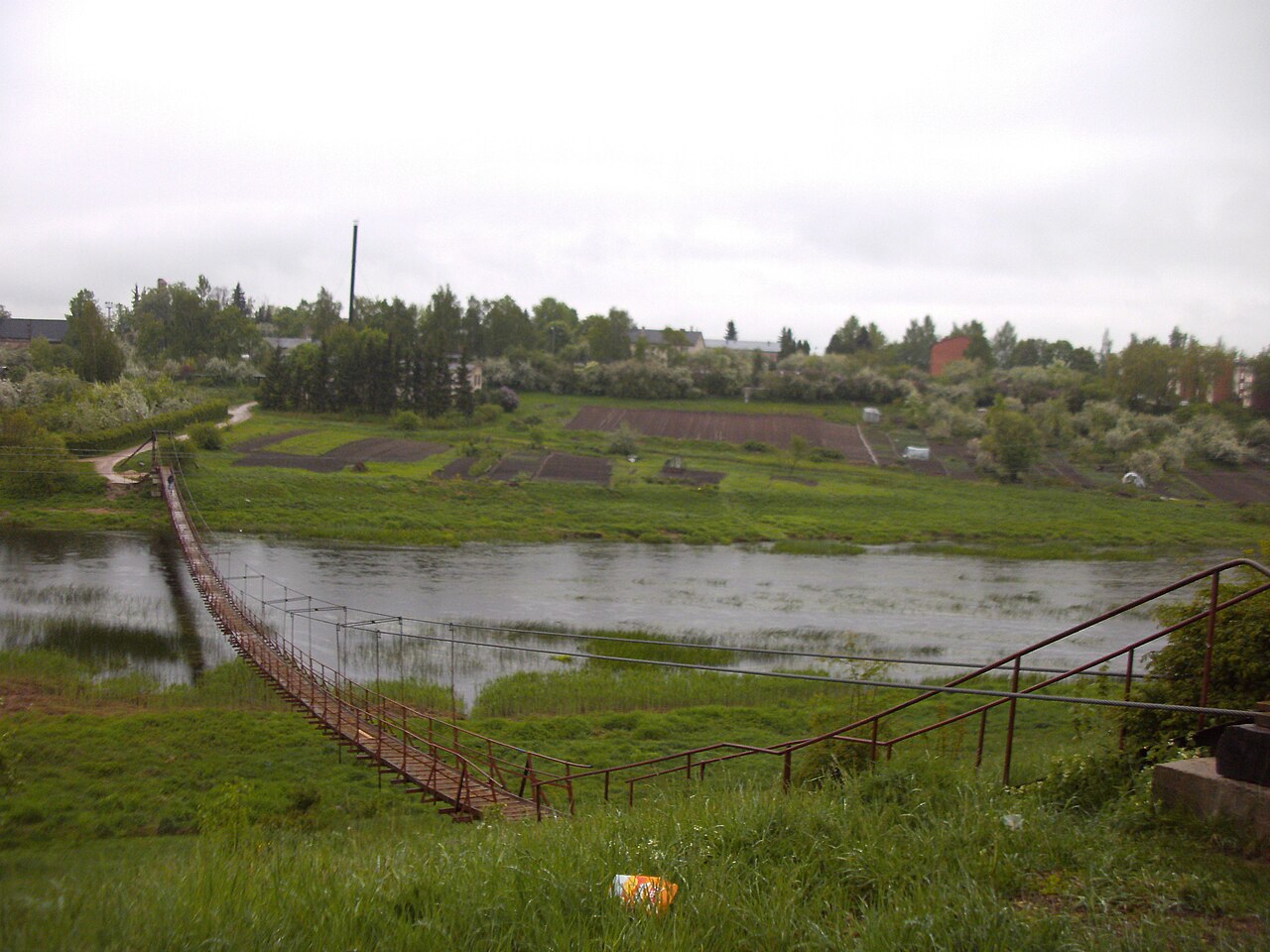
Bauska is a small but historically significant town in southern Latvia, located near the confluence of rivers that form the Lielupe and roughly 60 kilometres south of the capital, Riga. It has had town rights since 1609 and serves as a local centre for administration, commerce and tourism in the Semigallia region.
Image gallery
10 Images




Characteristics
The town combines remnants of medieval fortifications with later baroque and 19th‑century urban fabric. Key features include:
- A ruined and partly restored medieval castle complex on a hill above the river.
- Proximity to Rundāle Palace, a major baroque estate often visited from Bauska.
- A compact town centre with market activity, civic buildings and cultural institutions.
History and development
Bauska grew at a strategic river crossing and developed under the influence of regional powers in the Baltic Sea area. Its castle originated as a defensive stronghold in the late medieval era; the settlement that became the town expanded around trade, crafts and river transport. Over centuries the area was shaped by the Duchy of Courland, later imperial administrations, and 20th‑century political changes that affected architecture and land use.
Landmarks and tourism

Economy and culture
The town’s economy combines public services, small‑scale manufacturing, agriculture from the surrounding countryside and a growing tourism sector. Cultural life features local festivals, museum programmes and community events that reflect regional traditions of Semigallia.
Notable facts
Bauska is often cited as an accessible gateway for visitors exploring southern Latvia’s historical estates and natural landscapes. Its layered architecture—from medieval fortification remains to later civic buildings—illustrates the town’s long role as a crossroads of trade and culture in the Baltic region.
Related articles
Author
AlegsaOnline.com Bauska — historic town in southern Latvia Leandro Alegsa
URL: https://en.alegsaonline.com/art/9635