
Tanning bed: purpose, types, health effects, and safe use
A tanning bed is an indoor device that emits ultraviolet radiation to darken skin. This article explains how tanning beds work, their varieties, health risks, medical uses, and practical safety guidance.
A tanning bed is an electrical appliance that emits ultraviolet (UV) radiation to stimulate skin tanning. It is designed to mimic some effects of solar ultraviolet light so that users can develop or deepen a tan while indoors. Devices vary in size and power: some are horizontal beds that close over the body, while others are upright booths. Although intended to produce cosmetic darkening of the skin, exposure can also cause skin reddening (sunburn) and other adverse effects.
Image gallery
9 Images




How tanning beds work
Tanning beds generate UVA and sometimes UVB wavelengths using specialized lamps. UV radiation penetrates the outer layers of skin and triggers chemical changes in melanin and its precursors, which darken the skin. The same energy can damage cellular structures, including DNA in skin cells. Many modern units emphasize UVA to achieve quick cosmetic results, while high‑pressure tubes or combined systems may deliver broader spectra.
Main types and components
- Low‑pressure fluorescent beds: Common in commercial salons; use many tubes that emit primarily UVA.
- High‑pressure beds: Use fewer, more intense bulbs and can produce higher UVA output and some UVB.
- Stand‑up booths: Offer a similar spectrum to beds but in an upright configuration.
- Control systems and timers: Regulate session length and often include safety interlocks.
Health effects and safety concerns
Because tanning beds produce UV radiation, they carry risks similar to sun exposure. Short‑term effects include redness and burns if exposure is excessive. Long‑term effects can include premature skin aging, eye damage if protective goggles are not used, and an increased risk of skin cancers. International health organizations classify UV tanning devices as carcinogenic; therefore jurisdictions often regulate their sale and use, especially for minors.
Uses, regulation, and alternatives
Tanning beds are primarily used for cosmetic tanning. In some medical contexts, controlled UV exposure (often UVB narrowband) is used to treat skin conditions such as psoriasis or eczema under professional supervision. Many places restrict use by age and require operator training or safety information. Alternatives to UV tanning include spray tans and topical bronzers, which produce a temporary cosmetic effect without UV exposure.
Practical guidance
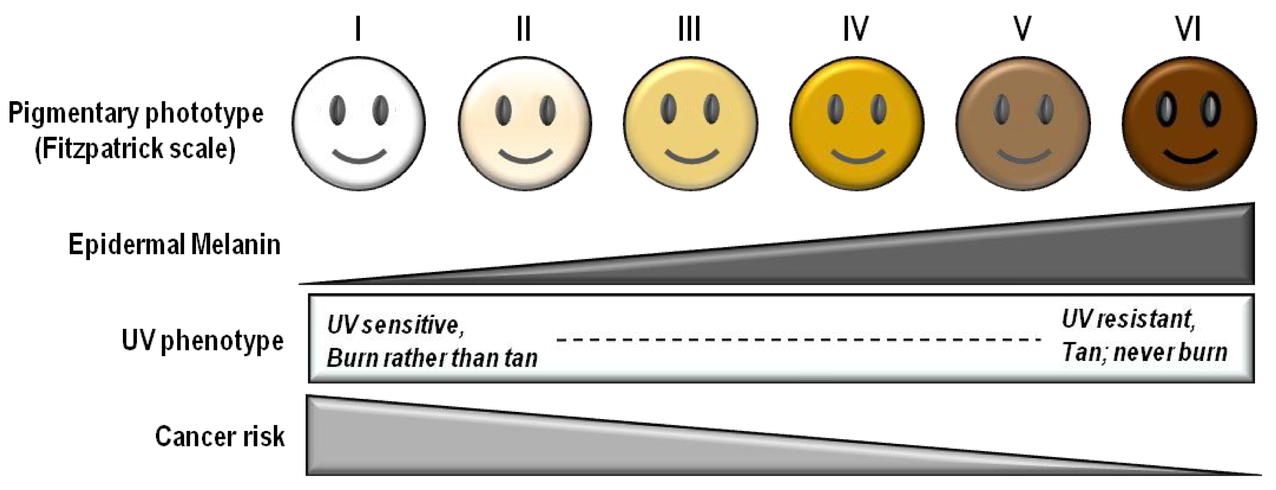
Anyone considering indoor tanning should weigh cosmetic benefits against health risks. Common precautions include knowing your skin type, using protective eyewear, limiting session duration and frequency, following manufacturer and salon instructions, and avoiding tanning if you have a history of photosensitivity or suspicious moles. For authoritative risk information and guidance on preventing burns, consult official public health resources or your healthcare provider via more information.
Related articles
Author
AlegsaOnline.com Tanning bed: purpose, types, health effects, and safe use Leandro Alegsa
URL: https://en.alegsaonline.com/art/96308
Sources
- wolffsystem.com : "About Us"