
Adelobasileus — an early mammaliaform from the Late Triassic
Adelobasileus is a small, extinct mammaliaform known from a partial skull from Late Triassic Texas. Its braincase and inner ear features bridge cynodonts and true mammals and illuminate early mammal evolution.
Overview
Adelobasileus is an extinct small-bodied mammaliaform known from the Upper (Late) Triassic, about 225 million years ago. It is represented primarily by a partial skull and braincase recovered from Triassic strata in western Texas. The preserved cranial features show a mosaic of primitive and derived characters that make the taxon important for understanding the origin of true mammals.
Image gallery
10 Images


Discovery and geological context
The specimen was recovered from later Triassic deposits in what is now western North America. Stratigraphic information places the fossil in an environment of terrestrial sediments that preserve diverse vertebrate faunas. The limited material—chiefly parts of the braincase and surrounding skull roof—was sufficient to provide key anatomical data, but no associated postcranial skeleton is known from the type material.
Anatomy and the inner ear
Important features include the form of the auditory region and the housing for the cochlea. The structure of the inner ear region in the skull is more mammal-like than in many earlier synapsids, suggesting a reorganization of the middle and inner ear that would later be refined in mammals. These ear-region characteristics are a central reason why researchers consider Adelobasileus a transitional form between derived cynodonts and early mammaliaforms.
Paleobiology and limitations of inference
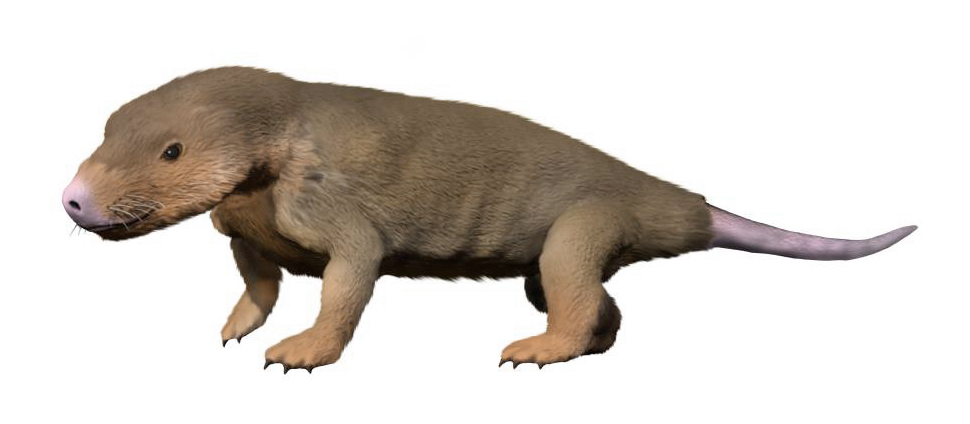
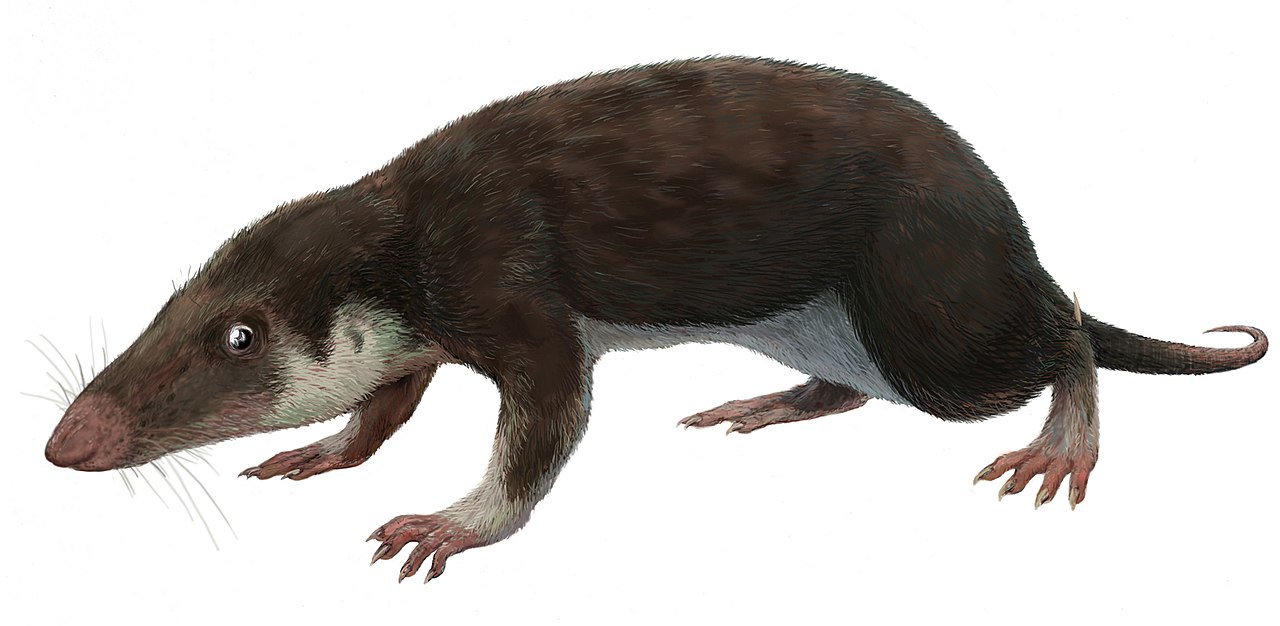
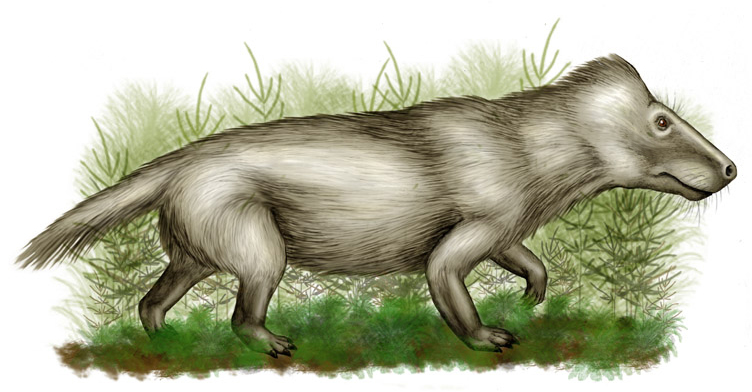
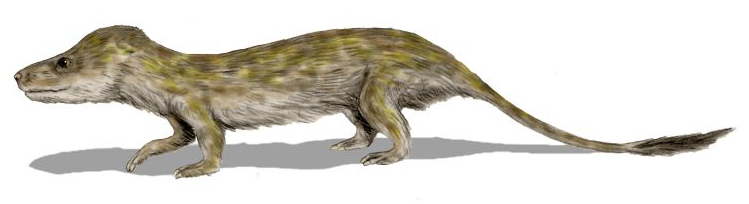
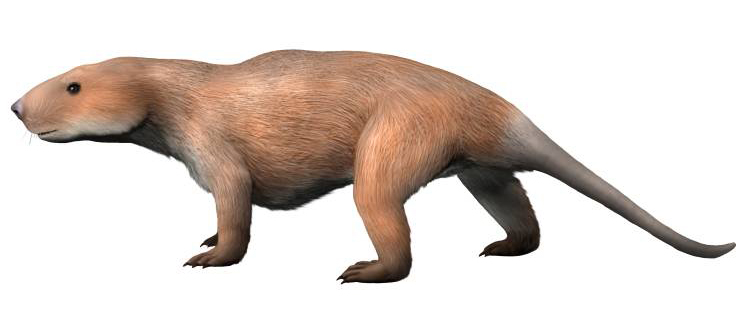
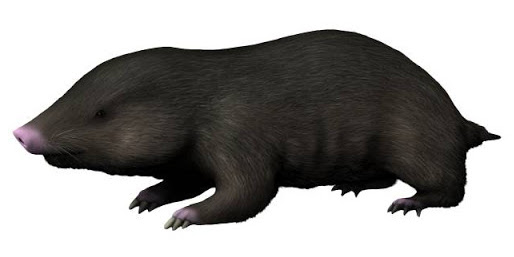
Because only cranial fragments are known, many aspects of the animal’s life appearance, locomotion, and ecology remain uncertain. Body size is inferred to have been small, comparable with other contemporary small synapsids, but precise proportions and habits cannot be reconstructed directly from the available remains. Claims about agility or speed are speculative without postcranial evidence and should be treated cautiously.
Classification and phylogenetic importance
Adelobasileus is often discussed in the context of the transition from cynodont synapsids toward true mammals (Mammaliaformes and Mammalia). Its combination of ancestral and derived skull traits places it near the base of this radiation in many analyses, though its exact position has been debated and may be revised as new fossils and methods refine early mammal phylogeny.
Scientific significance
The taxon is frequently cited in studies of early mammal origins because it documents intermediate stages in cranial and auditory evolution. It helps paleontologists trace how modifications of the jaw, middle ear, and braincase evolved stepwise on the lineage leading to mammals. At the same time, the fragmentary record means interpretations remain provisional and are best integrated with broader data from contemporaneous Triassic and Early Jurassic mammaliaforms.
Further reading and resources
- Geological age and Triassic context — background on the Upper Triassic period.
- Specimen information — details on the partial skull and braincase.
- Stratigraphic context — description of the deposits that yielded the fossil.
- Discovery locality — information on western Texas sites where material was found.
- Inner ear anatomy — resources on cochlear and auditory-region evolution.
- Transitional morphology — discussions of intermediate skeletal features.
- Cynodont connections — context for advanced cynodonts and their descendants.
- Phylogenetic significance — analyses placing the taxon near the base of mammaliaforms.
- Further reading on Adelobasileus — comprehensive reviews and summaries.
Note: Because the known material is fragmentary, many reconstructions of appearance or behavior remain hypotheses that depend on comparison with better-known relatives and new discoveries will help test current interpretations.
Tags
Related articles
Author
AlegsaOnline.com Adelobasileus — an early mammaliaform from the Late Triassic Leandro Alegsa
URL: https://en.alegsaonline.com/art/961
Sources
- tandfonline.com : tandfonline.com/doi/abs/10.1080/02724634.1993.10011512