
Agilodocodon: a small, likely arboreal docodont from the Middle Jurassic
Agilodocodon scansorius is a shrew-sized mammaliaform from the Middle Jurassic, proposed as an early tree-climber. Its anatomy, diet and arboreal interpretation remain subjects of scientific debate.
Overview
Agilodocodon scansorius is a small fossil mammaliaform known from Middle Jurassic deposits. Often described as shrew-sized, it has been interpreted by some researchers as one of the earliest specialised tree-climbing relatives of true mammals. The animal is generally placed among the docodonts, an extinct group of early mammaliaforms characterised by complex molar teeth. Although sometimes described with informal mammal-like language in popular accounts, Agilodocodon is best understood as a non-crown mammal mammaliaform that shares many functional similarities with modern arboreal species.
Image gallery
10 Images


Anatomy and appearance
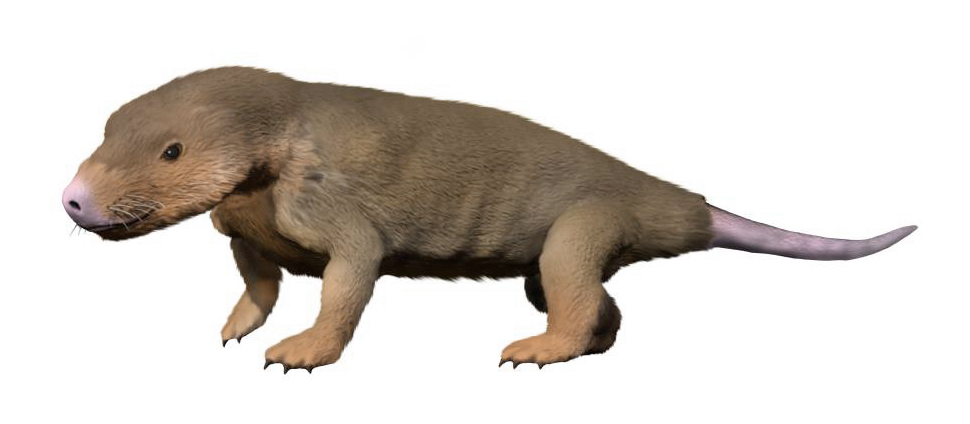
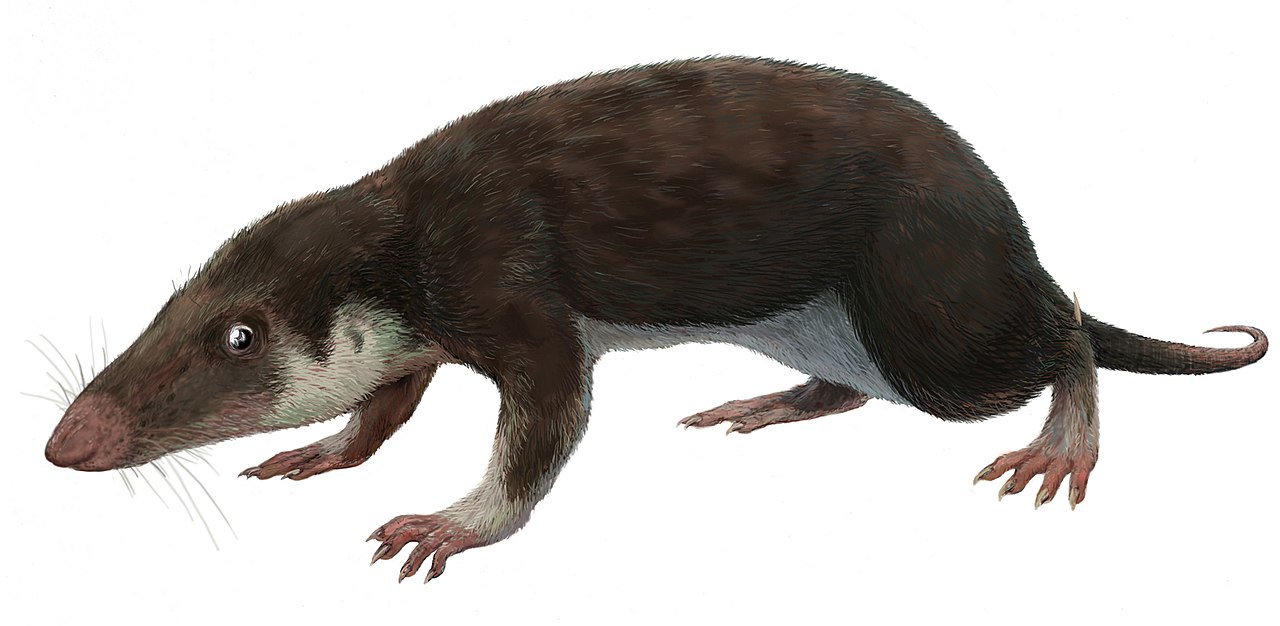
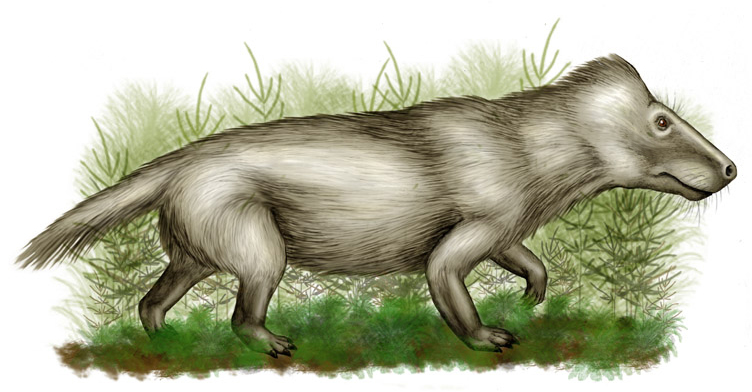
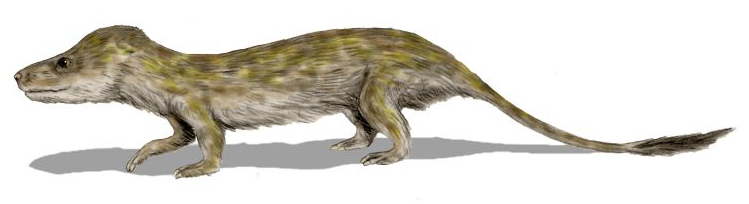
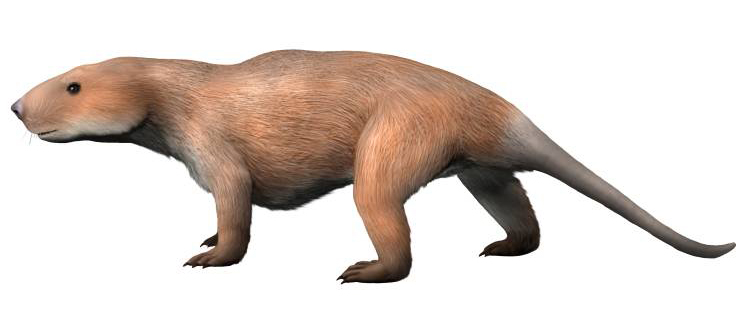
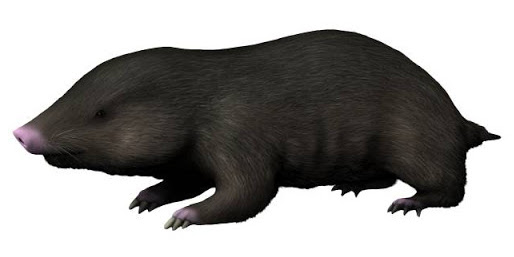
Estimated head-to-tail length for the known specimen is about 13 centimetres and body mass estimates are on the order of a few dozen grams, giving it a small, agile silhouette sometimes compared to a squirrel. The skull shows an elongated snout and a differentiated dentition. Limb morphology includes curved, keratinous claws and limb bones that suggest considerable mobility. In particular, the morphology of the ankle and wrist regions appears to allow a wide range of motion, and paleontologists have noted aspects of the joints that resemble those of modern arboreal mammals.
Dentition and feeding hypotheses
The front teeth of Agilodocodon are relatively spade-shaped, and some researchers have suggested these could have been used to gouge bark to access plant gum or gum and sap. Proponents point to tooth shape and wear patterns as evidence consistent with bark-gouging or sap-feeding behaviour seen in several living mammals. Other scientists caution that the teeth and jaw differ in important ways from modern sap-eating species: the lower jaw is long and gracile, and detailed comparisons of tooth microstructure and presumed bite forces indicate it may have been too weak for extensive gnawing of hard bark. Such differences leave room for alternative dietary interpretations, including insectivory, omnivory or the consumption of softer plant exudates.
Discovery, age and context
Fossils of Agilodocodon come from Middle Jurassic strata that preserve a diversity of small vertebrates and plant remains. These deposits record forested environments in which small mammaliaforms, lizards and small dinosaurs coexisted. Sedimentary and taphonomic evidence helps reconstruct the palaeoenvironment and supports the interpretation that some early mammaliaforms explored arboreal niches. The preserved elements include parts of the skull, dentition and limb bones that allow study of the lower jaw structure and details of the limb joints.
Classification and significance
As a member of the docodonts, Agilodocodon contributes to the picture of early mammaliaform diversity and experimentation in locomotor and feeding strategies. Docodonts are not part of the modern mammal crown group but show convergent adaptations that parallel those of later mammals. The possible arboreal adaptations of Agilodocodon are significant because they indicate that specialisations for life in trees may have evolved multiple times among early mammal relatives.
Debate and ongoing research
Interpretations of Agilodocodon’s lifestyle remain debated. Supporters of the arboreal and sap-feeding hypotheses point to claws, joint flexibility and anterior tooth shape, while sceptics highlight differences in jaw robustness and tooth microstructure relative to living bark-gouging species. Further work on tooth microwear, comparative functional analysis and discovery of additional specimens will help clarify its ecology. Readers seeking broader context can consult general resources on Middle Jurassic faunas, the biology of mammaliaform groups and modern analogues of squirrel-like arboreal mammals.
For summaries and accessible introductions to related topics see entries and reviews on small-bodied mammals, arboreal adaptations in tetrapods and the evolution of mammal-like traits. Further technical detail is available in specialist paleontological literature addressing the morphology of the ankle, wrist, tooth form and the functional implications for diet and locomotion.
Questions and answers
Q: What is Agilodocodon?
A: Agilodocodon is a shrew-sized docodont from the Middle Jurassic and the earliest known tree-climbing mammal-like therapsid.
Q: What was Agilodocodon's size and weight?
A: Agilodocodon was about 13 centimeters from head to tail and weighed about 27 grams.
Q: What did Agilodocodon look like?
A: Agilodocodon's appearance was similar to a squirrel, with a long snout, curved, horny claws, and flexible ankle and wrist joints typical of modern arboreal mammals.
Q: What were the front teeth of Agilodocodon like?
A: The front teeth of Agilodocodon were spade-like, potentially indicating that it could gnaw tree bark and eat gum or sap.
Q: What is another palaeontologist's interpretation of Agilodocodon's teeth?
A: According to another palaeontologist, Agilodocodon's teeth "are quite different" from the modern sap-eating monkeys, and the long, thin lower jaw seems too weak for gnawing tree bark.
Q: What is the significance of Agilodocodon being a tree-climbing mammal-like therapsid?
A: Agilodocodon being the earliest known tree-climbing mammal-like therapsid suggests that arboreal behavior and adaptations may have evolved earlier than previously thought.
Q: How does Agilodocodon's appearance compare to modern arboreal mammals?
A: Agilodocodon's appearance has similarities to modern arboreal mammals, including flexible ankle and wrist joints and curved, horny claws.
Tags
Related articles
Author
AlegsaOnline.com Agilodocodon: a small, likely arboreal docodont from the Middle Jurassic Leandro Alegsa
URL: https://en.alegsaonline.com/art/1394
Sources
- bbc.com : bbc.com/future-planet
- news.sciencemag.org : "Found: two sophisticated mammals that thrived during the age of the dinosaurs"
- sciencemag.org : "An arboreal docodont from the Jurassic and mammaliaform ecological diversification"
- doi.org : 10.1126/science.1260879