
Taiko: Japanese drums and the modern art of ensemble drumming
Taiko are traditional Japanese drums and the contemporary ensemble practice (kumi-daiko). This article explains forms, construction, history, cultural roles, performance practice and global spread.
Taiko (太鼓) is the Japanese word for "drum" and in practice refers both to a family of traditional Japanese percussion instruments and to the contemporary performance style that brings those instruments together. In Japan the term wadaiko (和太鼓) often denotes the native drums themselves, while outside Japan the word taiko is commonly used to describe the instruments and the ensemble form known as kumi‑daiko. Taiko playing ranges from single, ritual uses to large staged ensembles that combine athleticism, choreography and musical ensemble work.
Image gallery
10 Images





Characteristics and construction
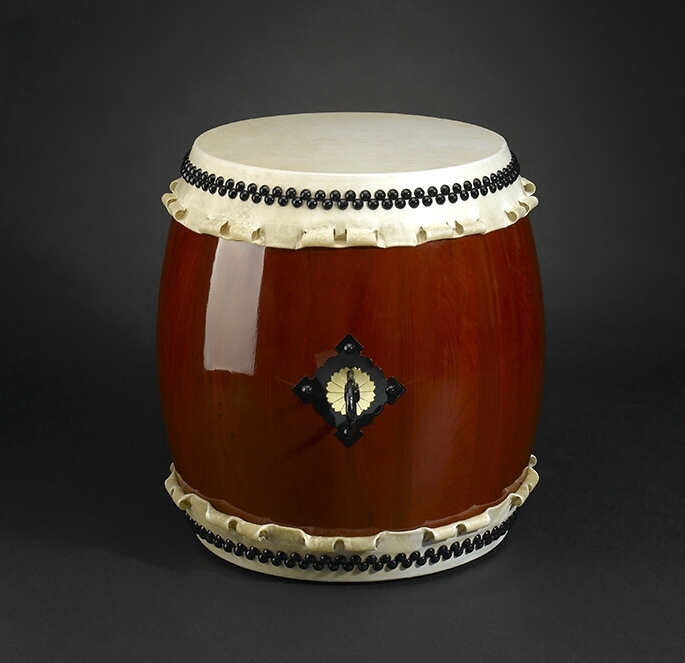
Taiko drums vary widely in size and construction. Traditional types include large barrel or bowl drums made from hollowed tree trunks and shallower or rope‑tensioned drums assembled from staves. Heads are usually animal hide, most commonly cowhide, stretched and fastened with tacks, bolts or ropes depending on the style. Players use thick wooden sticks called bachi, and sound is shaped by striking location, stick technique and the drum's shell. Distinct classes include the deep, sustained odaiko (big drum), the long‑bodied nagado‑daiko, the rim‑tensioned okedo‑daiko, and the high‑pitched, tightly tuned shime‑daiko.
History and development
Drums have been present in Japan for centuries, used in religious rites, theatrical forms, farm and village festivals, and on battlefields. Over time taiko acquired ceremonial and communal functions in Shinto shrines, Buddhist temples and local celebrations. The most visible modern change came in the mid‑20th century when musicians began arranging multiple drums into coordinated ensembles. This ensemble form—often credited to innovators who reorganized traditional patterns into staged group pieces—transformed taiko into a concert and touring art form.
Performance, repertoire and contexts
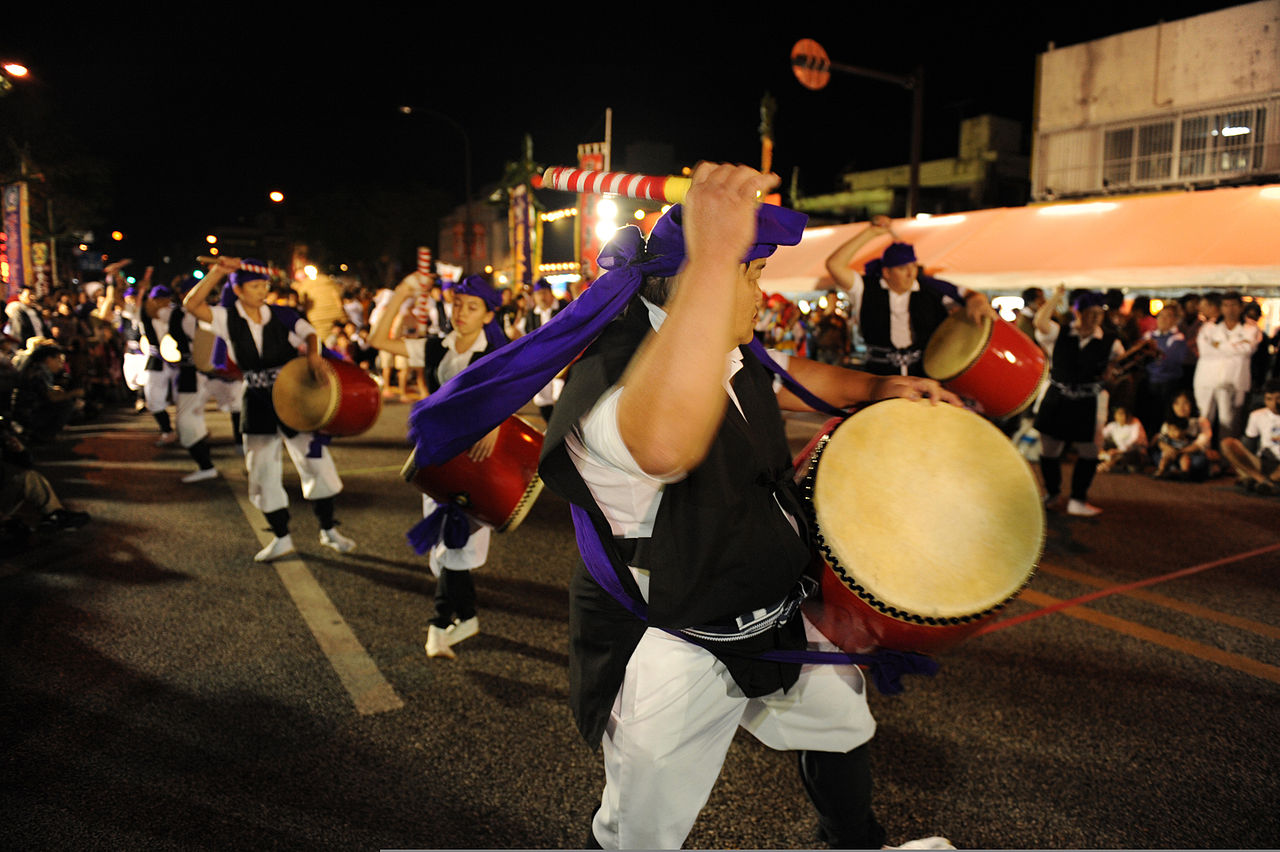
Taiko performance contexts include religious festivals, civic events, stage concerts and educational programs. Festival pieces tend to be loud, rhythmically driving and designed for outdoor projection, while concert repertoire can be composed, arranged or improvised and may incorporate theatrical movement. Ensembles often emphasize physical discipline, endurance and visual presentation as much as musical nuance. Groups such as those that developed out of regional traditions or island communities exemplify both preservation of older forms and creation of new repertoire.
Uses and international spread
In contemporary practice taiko is both a living traditional art and a global performance phenomenon. Ensembles and schools teach taiko techniques in many countries, and musicians have adapted the instruments and repertoire to new settings including contemporary classical works, fusion projects and music education. The style has been embraced and adapted in places as diverse as Germany (Germany), the United States (United States) and Australia (Australia). These international communities often acknowledge Japanese roots while developing local expressions.
Terms, distinctions and notable groups
- Wadaiko: term emphasizing Japanese origin of the drums.
- Kumi‑daiko: ensemble drumming style combining multiple drums and performers.
- Odaiko: the very large drums used for low, resonant tones and dramatic effect.
- Shime‑daiko: smaller, higher‑pitched drums that provide rhythmic definition.
Some contemporary ensembles focus on preserving traditional repertoires and local performance customs, while others develop highly staged concert works for international audiences. For further general background see resources about the instrument as a Japanese musical tradition, ensemble histories linked to pioneers of kumi‑daiko, and accounts of taiko in festival settings (festivals and concerts). Scholarly and community resources, recordings and workshops provide pathways to learn more both about historical roles and modern practice (cross‑cultural adaptations).
Because taiko spans ritual, communal and concert uses, it is best approached by listening to different styles, observing performance contexts and, when possible, trying basic techniques. Many communities and teaching centers offer introductory classes and public performances that illustrate the instrument's range from intimate temple rhythms to thunderous ensemble displays.
For introductory materials, recordings and listings of groups and events consult online and local cultural organizations that document both traditional wadaiko and the modern ensemble movement (drum, kumi‑daiko, Japanese, festivals, cross‑cultural, Germany, United States, Australia).
Related articles
Author
AlegsaOnline.com Taiko: Japanese drums and the modern art of ensemble drumming Leandro Alegsa
URL: https://en.alegsaonline.com/art/95923
Sources
- books.google.com : Taiko Boom: Japanese Drumming in Place and Motion