
Take Me Out to the Ball Game — history and cultural role
A concise encyclopedia article on the 1908 Tin Pan Alley song "Take Me Out to the Ball Game": origin, authors, performance tradition, recordings, team variations and cultural significance.
Overview
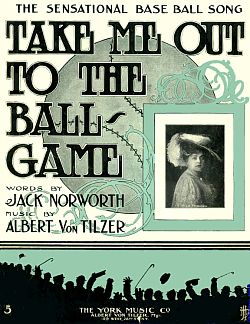
"Take Me Out to the Ball Game" is a popular American song first published in 1908 that has become closely associated with the sport of baseball. The lyrics were written by Jack Norworth and the melody was composed by Albert Von Tilzer during the Tin Pan Alley era of popular music. Although the song was written more than a century ago, its chorus remains widely known and is commonly sung by fans at ballparks across the United States and beyond. The tune functions in many contexts as an informal anthem of the game and of the shared experience of attending a baseball contest, inviting participation from audiences of all ages.
Image gallery
3 Images
Words, music and origins
Jack Norworth supplied the words and Albert Von Tilzer supplied the music. Both men were active in New York's popular-music business at the time; Von Tilzer was a prolific composer and Norworth a lyricist and performing personality. A frequently noted anecdote is that neither writer had attended a professional baseball game before creating the song, yet the lyrics capture a fan's longing for the ballpark and the simple pleasures of the outing. The composition emerged from the commercial songwriting culture of Tin Pan Alley, which produced many tunes intended for sheet-music sales and vaudeville performance.
Performance tradition
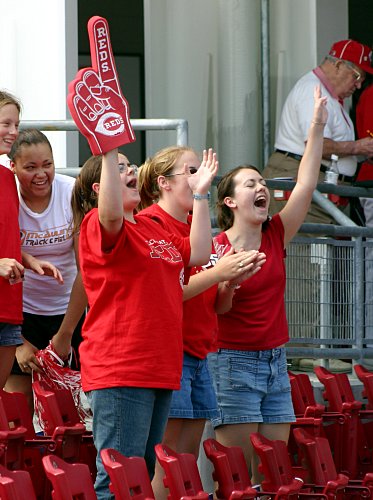
The chorus of "Take Me Out to the Ball Game" is traditionally performed during the seventh-inning stretch of a baseball game, a pause in play when spectators stand, relax and often sing together. At many stadiums the public-address system or a guest vocalist leads the crowd, and fans are encouraged to sing along. Stadiums sometimes adapt the lyrics to honor their team by substituting the phrase "home team" with the club's name, a practice that emphasizes local identity and fan bonding. For general background on the song's role in baseball see anthem of baseball and for the sport itself see baseball.
Recordings, preservation and notable versions
The earliest commercial recording known from the song's early years was made by singer Edward Meeker. That historic recording has been recognized for its cultural significance: the Library of Congress selected Meeker's version for inclusion in the National Recording Registry as an entry that is "culturally, historically, or aesthetically significant." For information on the Registry and the preservation program see the Library of Congress. Over time the song has been recorded and performed by many artists, used in films and broadcasts, and remains a staple of baseball-related media.
Team variations and examples
Many ballparks personalize the chorus by inserting the local team's name in place of the generic phrase. Examples of clubs known to encourage or perform this substitution include:
- Houston Astros
- San Francisco Giants
- Pittsburgh Pirates
- Boston Red Sox
- Chicago Cubs
- Chicago White Sox
- Milwaukee Brewers
- Philadelphia Phillies
- Toronto Blue Jays
- Miami Marlins
- Colorado Rockies
- Detroit Tigers
Significance and distinctions
Although often called an "anthem," the song differs from national or formal anthems in tone and function: it is a light, participatory popular tune rooted in early 20th-century entertainment rather than a ceremonial composition. Its endurance comes from a combination of catchy melody, simple lyrics that describe a familiar leisure ritual, and the ritualized moment of the seventh-inning stretch that invites communal singing. The song is a useful example of how mass-market popular music and sporting culture can combine to create enduring traditions.
Further reading and resources
For more on the song's musical and cultural context, or on the institutions that preserve notable recordings, consult general histories of Tin Pan Alley, collections of American popular song, and the anthem of baseball materials maintained by libraries and archives. Additional team-specific traditions are documented in club histories and fan guides available through team media channels such as those for the Houston Astros and the Chicago Cubs.
Questions and answers
Q: What is “Take Me Out to the Ball Game”?
A: “Take Me Out to the Ball Game” is a Tin Pan Alley song that was written in 1908.
Q: Who wrote the words of the song?
A: The words of the song were written by Jack Norworth.
Q: Who wrote the music for the song?
A: The music for the song was written by Albert Von Tilzer.
Q: Had both writers of this song been to a baseball game before writing it?
A: No, neither of the writers had been to a baseball game before writing the song.
Q: When is the chorus of the song traditionally sung at baseball games?
A: The chorus of the song is traditionally sung during the seventh-inning stretch of a baseball game.
Q: Are fans encouraged to sing along to the song?
A: Yes, fans are generally encouraged to sing along to the song.
Q: Which baseball teams replace the words “home team” in the song with their team name?
A: Teams that replace the words “home team” in the song with their team name include the Houston Astros, San Francisco Giants, Pittsburgh Pirates, Boston Red Sox, Chicago Cubs, Chicago White Sox, Milwaukee Brewers, Philadelphia Phillies, Toronto Blue Jays, Miami Marlins, Colorado Rockies, and Detroit Tigers.
Related articles
Author
AlegsaOnline.com Take Me Out to the Ball Game — history and cultural role Leandro Alegsa
URL: https://en.alegsaonline.com/art/96031
Sources
- lcweb2.loc.gov : "Take Me Out to the Ball Game"
- loc.gov : "The National Recording Registry 2010"