
Sylvia (ballet) — Delibes' mythological dance drama
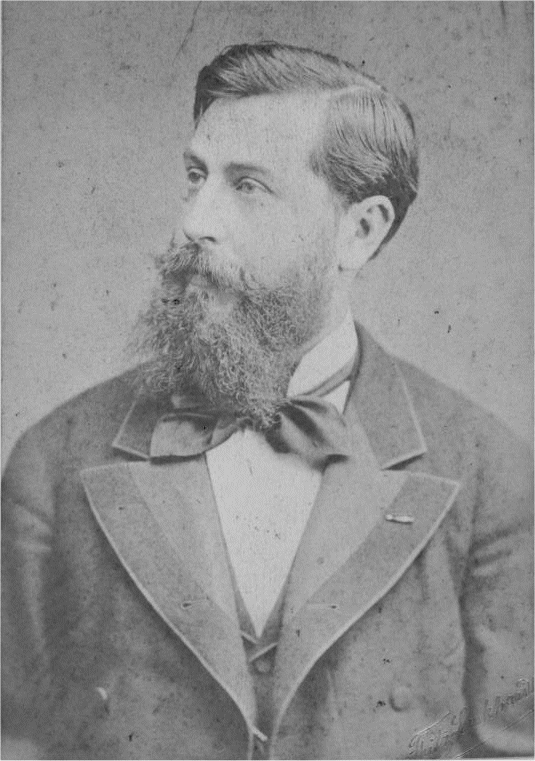
Sylvia is a mythological ballet with music by Léo Delibes and original choreography by Louis Mérante, premiered in Paris in 1876. Its score is celebrated for melody, orchestration and the famous 'Pizzicato'.
Overview
Sylvia is a full-length ballet best known for its graceful melodies and classical, mythological setting. First staged in Paris in 1876, it pairs the orchestral color of Léo Delibes with choreography created for the original production by Louis Mérante. The story treats themes of love and the natural world through the figure of a huntress-nymph and her encounters in an idealized ancient landscape; descriptions often call it a pastoral or mythological drama.
Image gallery
10 Images




Structure and dramatic elements
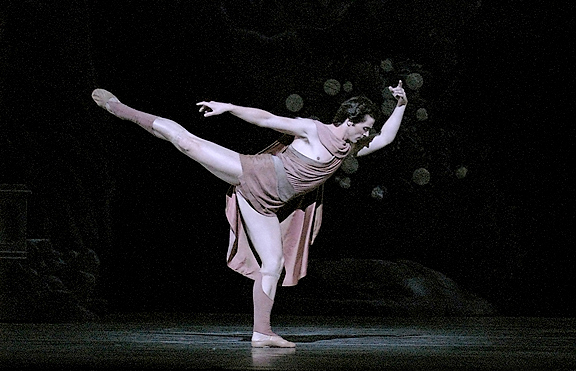
The work is traditionally presented as a multi-act ballet in the grand nineteenth-century style. Its stage action combines divertissements, solos and ensembles that showcase both classical technique and character dancing intended to evoke gods, nymphs and rustic figures. The plot framework supports contrasted dance episodes: bridal-like pas, fleet-footed ensemble dances, lyrical adagios and lighter scherzo passages that underline the narrative shifts between romance, trial and reconciliation.
Music and choreography
Delibes' score is widely admired for its vivid orchestration, memorable tunes and the way it balances dramatic writing with purely danceable music. Several extracts, most famously the short "Pizzicato" number, circulate independently as concert pieces and encore items. Choreographically, Mérante's original work reflected Parisian ballet tastes of the 1870s; later 20th-century revivals reinterpreted steps and staging while preserving Delibes' music as the constant element of appeal.
History, revivals and performance
After its 1876 premiere in Paris, Sylvia enjoyed intermittent performances and periodic rediscovery. In the 20th century the ballet was revived and reworked by several companies and choreographers, bringing it back into repertory and highlighting its musical strengths. Extracts and suites from the score are often programmed in orchestral concerts; the ballet’s dances are occasionally staged in full by companies seeking a classical, mythic spectacle.
Notable facts and legacy
- The score contains a much-loved short scherzo commonly called the "Pizzicato", which is frequently heard as an orchestral showpiece.
- Delibes’ writing for ballet helped to raise expectations about orchestration and danceable melodic invention in late 19th-century French music.
- The work’s mythological atmosphere places it alongside other narrative ballets of the era that drew on ancient or pastoral themes; references to classical mythology recur in its plot and choreography.
Today Sylvia is valued both for Delibes’ attractive score and for opportunities it gives companies to present scenic, characterful dance rooted in the romantic tradition. Even when not staged complete, its music remains a favorite in concert performance and recordings.
Related articles
Author
AlegsaOnline.com Sylvia (ballet) — Delibes' mythological dance drama Leandro Alegsa
URL: https://en.alegsaonline.com/art/95614