
Army of Mississippi (Confederate)
Confederate Western Theater formation(s) active 1862–1864, notable for Shiloh, the Vicksburg theater, frequent reorganizations and the later Army of Tennessee designation.
The Army of Mississippi was a Confederate field command in the Western Theater of the American Civil War. The designation was applied to more than one distinct Confederate formation between spring 1862 and 1864. Because a separate Union force bore the very similar title, the Union Army of the Mississippi (Army of the Mississippi (Union)), careful attention to dates and commanders is required when the name appears in orders of battle, correspondence and later histories.
Image gallery
1 Image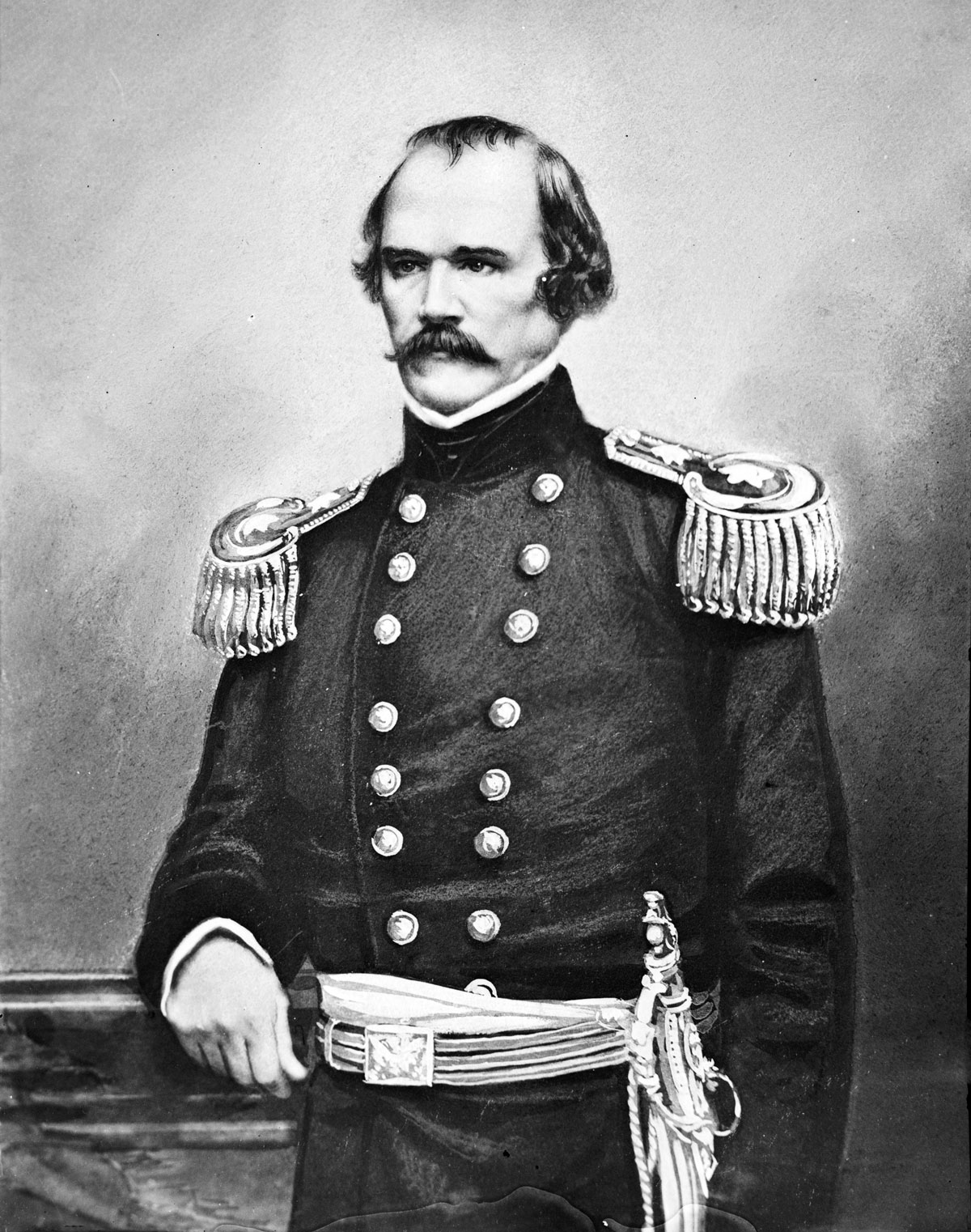
Purpose and early organization
The initial Confederate Army of Mississippi was established on March 29, 1862 to unify several Confederate departments and large field formations operating in the western theater. It functioned as a principal grouping for operations west of the Appalachian range and was intended to coordinate actions to defend the Mississippi River and approaches, to contest Union advances, and to oversee the major concentrations of Confederate troops in the region. The title identified a major Confederate army grouping rather than a single permanently fixed order of battle, which contributed to later confusion.
First formation: commanders and Shiloh
The first formation was placed under overall command when "the commander" was named as General Albert Sidney Johnston; the senior officer who served in that role was Albert Sidney Johnston, with P. G. T. Beauregard as second-in-command. This Army of Mississippi was the principal Confederate force at the bloody two-day clash at the Battle of Shiloh (April 6–7, 1862). Johnston was killed during the battle; command then passed to Beauregard, and in the months that followed a succession of senior officers directed the western Confederate armies while Confederate authorities reorganized departments and corps.
Renaming and transition to the Army of Tennessee
Following the summer and autumn campaigns of 1862, the principal Confederate field force in the region was renamed. In November 1862 the first Army of Mississippi was redesignated the Army of Tennessee, reflecting an administrative choice to align the force name with the geographic focus of its operations and to reduce confusion with other formations. That transition also reflected shifting departmental boundaries, changes in command, and the broader Confederate attempt to streamline the conduct of the war in the West.
Second Army of Mississippi under Pemberton
A different Confederate command was styled the Army of Mississippi beginning in December 1862 when Lieutenant General John C. Pemberton took field charge of Confederate forces defending the Vicksburg region. This second use of the name applied to forces concentrated to hold the Mississippi River and surrounding approaches during the Vicksburg campaign. Within Pemberton’s command the II Corps was frequently referred to by local contemporary writers as the "Army of West Tennessee" or the "Army of the West." At times the two large corps in the department were reorganized into smaller divisions, and as those structural changes occurred the Army of Mississippi title was reduced to a department or theater label rather than a separate army-sized command.
Subordinate leaders, reassignments and corps commanders
Subordinate generals played prominent roles in the formations that bore the name. For example, the II Corps was commanded in the Vicksburg period by Major General Sterling Price, a senior Western commander. Other important corps and division leaders who appeared in the army’s orders of battle included officers later identified with the Army of Tennessee or other Western forces. Leonidas Polk served as a corps commander in the region prior to his death; Polk’s death in June 1864 prompted further reassignments, and Alexander P. Stewart and other officers assumed control of corps and divisions as the Confederacy concentrated forces against advancing Union armies.
Vicksburg, surrender and later consolidations
Pemberton’s Army of Mississippi is most closely associated with the defense and eventual surrender of Vicksburg in July 1863. The loss of Vicksburg and the simultaneous fall of Port Hudson severed Confederate control of the lower Mississippi River and marked a strategic turning point in the Western Theater. After the surrender many of the units that had served under the Army of Mississippi were exchanged, reorganized or folded into other Western commands during 1863–64, and some elements later participated in the Atlanta and Tennessee campaigns when Confederate high command sought to concentrate strength in the face of Union offensives.
Third use of the name and late-war operations
In the final full campaign season of 1864, troops and corps that had earlier been called the Army of Mississippi or that had served under that title were sometimes grouped with forces under generals such as Joseph E. Johnston for operations in Georgia and the deep South. The repeated reuse of the Army of Mississippi designation, and the shifting subordinate designations for corps and divisions, meant the name could refer to battlegroups of quite different size and function in different months of the war.
Legacy and historiography
Historians and students of the Civil War therefore treat references to the Army of Mississippi with care, identifying the date, location and commanding officer to determine which formation is meant. The principal facts that distinguish the Confederate Army of Mississippi in public memory are its central role in early, costly fighting in the Western Theater (most notably Shiloh), the subsequent redesignation of its principal 1862 formation as the Army of Tennessee, and the later, separate use of the name for Pemberton’s command around Vicksburg. The parallel Union usage of a very similar name remains a common source of confusion for readers of battlefield narratives and official records.
- Established: March 29, 1862 (first formation).
- Notable early commanders: Albert Sidney Johnston (killed at Shiloh), P. G. T. Beauregard (successor and second-in-command).
- Pemberton’s command: John C. Pemberton (December 1862–July 1863), associated with Vicksburg defenses.
- Other figures: Major General Sterling Price; corps leaders such as Leonidas Polk and later corps commanders including Alexander P. Stewart.
- Renaming: November 1862 redesignation of the first Army of Mississippi to the Army of Tennessee.
Because the same name covered different organizations at different times, primary sources, official orders and secondary accounts are most reliable when read with dates and commander names in view. The Army of Mississippi remains an instructive example of how Confederate organizational practice and the pressures of sustained campaigning produced frequent changes in titles and command relationships in the Western Theater.
Questions and answers
Q: What was the name of the Confederate Army of Mississippi?
A: The Army of Mississippi (also called the Confederate Army of the Mississippi).
Q: When was it formed?
A: It was formed on March 29, 1862.
Q: Who were its original commanders?
A: Its original commanders were Full General Albert Sidney Johnston and Full General P. G. T. Beauregard, with Beauregard as second-in-command.
Q: What happened after Johnston's death at Shiloh?
A: After Johnston's death at the Battle of Shiloh, Beauregard took over as commander. After that there were a series of other commanders.
Q: When did it change its name to the Army of Tennessee?
A: In November 1862, the Army of Mississippi was renamed the Army of Tennessee.
Q: Who commanded I Corps in May 1864?
A: Leonidas Polk commanded I Corps in May 1864 before he was killed in June 1862 after which his troops joined with Joseph E. Johnston's Army of Tennessee to form the third Army of Mississippi and his army was simply called Alexander P. Stewart's corps thereafter.
Tags
Related articles
Author
AlegsaOnline.com Army of Mississippi (Confederate) Leandro Alegsa
URL: https://en.alegsaonline.com/art/5757
Sources
- blueandgraytrail.com : "Army of Mississippi"
- history.com : "Albert Sidney Johnston"
- civilwarhome.com : "Pierre Gustave Toutant Beauregard"