
Supreme Director of Chile
The Supreme Director was the chief executive of early independent Chile, a centralized authority that governed during the turbulent independence era before the office of President was established.
Overview
The title "Supreme Director" designated the civilian and often military head of state in early independent Chile. It was used during the chaotic period when colonial rule ended and new republican institutions were being formed. The office concentrated executive authority in a single person while political power was still unstable and contested by local juntas and military leaders.
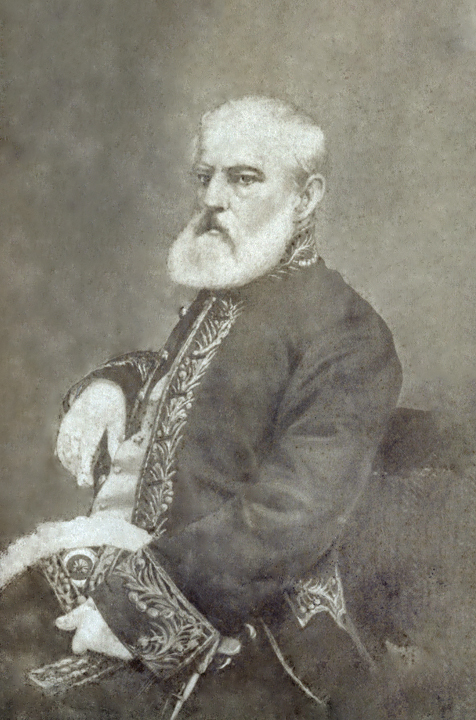
Image gallery
6 Images



Role and characteristics
Supreme Directors held broad powers: they led the administration, commanded the armed forces in campaigns for independence, and negotiated with political factions. The post combined functions that in later stable systems would be split between a head of state, a head of government, and military commanders. Appointment procedures varied: some directors emerged from revolutionary assemblies, others from military success or provisional agreements.
Historical context
As Spanish authority receded in the early 19th century, Chilean governance alternated between collective juntas and singular executive figures. The Supreme Director replaced provisional juntas when stronger centralized leadership was deemed necessary to organize the war effort and state foundations. This stage preceded the adoption of a formal presidential system.
Notable figures and legacy
- Bernardo O'Higgins is the best-known Supreme Director, widely associated with consolidating independence and early state-building.
- Other military and civilian leaders briefly held the title during the transition from colonial rule to republican order.
Distinctions and succession
The Supreme Director differs from the later President of Chile in that it was a transitional, often extraordinary office created by necessity rather than by a long-established constitution. Over time, Chile moved toward constitutional frameworks and regular presidential institutions, completing the shift from revolutionary leadership to a republican presidency. See also Chile and references to colonial Spain via Spain for broader context.
Related articles
Author
AlegsaOnline.com Supreme Director of Chile Leandro Alegsa
URL: https://en.alegsaonline.com/art/95126