
Surgeon General of the United States
The Surgeon General leads the U.S. Public Health Service Commissioned Corps and serves as the federal government's leading voice on public health policy, communication, and emergency response.
Overview
The Surgeon General of the United States is the nation’s primary public health spokesperson and the senior uniformed officer of the U.S. Public Health Service Commissioned Corps (PHSCC). The office — the Office of the Surgeon General (OSG) — communicates health guidance, coordinates public information campaigns, and represents federal public health interests to the public, clinicians, and state and local authorities. While not a Cabinet position, the Surgeon General reports to the Secretary of Health and Human Services.
Image gallery
10 Images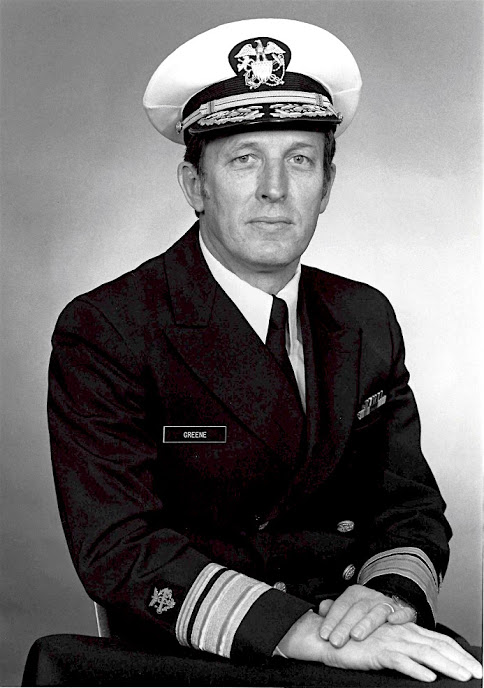


Core responsibilities
The Surgeon General’s duties combine clinical credibility, public communication, and operational leadership. Typical functions include:
- Delivering public health advisories and reports on major health risks.
- Leading the PHSCC and advising on deployment of commissioned officers for health emergencies.
- Coordinating prevention and health promotion campaigns on topics like tobacco use, vaccination, substance misuse, and chronic disease.
- Serving as a trusted, visible messenger to increase public understanding of health evidence and policies.
Historical development
The Surgeon General’s office evolved from federal maritime health services in the 19th century into a central public health leadership role. Over time the position took on expanded responsibilities for national health education and emergency response, producing influential Surgeon General’s reports and public-health campaigns that shaped policy and public behavior.
Appointment, term and rank
The Surgeon General is nominated by the President and confirmed by the Senate. Appointees customarily serve a multi‑year term, and hold a commissioned officer rank within the Public Health Service Commissioned Corps. That uniformed status enables integration with other federal services during domestic and international health responses.
Public Health Service Commissioned Corps
The PHSCC is a uniformed service of health professionals — physicians, nurses, scientists, pharmacists and others — who provide clinical care, disease surveillance, emergency response and health program leadership. As the Corps’ senior officer, the Surgeon General helps set deployment priorities, readiness standards, and public-health staffing during crises.
Role in public debates and examples
Surgeons General have historically influenced debates on tobacco control, vaccination, HIV/AIDS stigma, opioid misuse, and emergency preparedness. The office issues formal reports and advisory statements that can prompt policy shifts, funding priorities, and public behavior change. For further official statements and historical reports, see the Office of the Surgeon General and related public health resources: OSG resources and public health publications.
Questions and answers
Q: What is the Surgeon General of the United States?
A: The Surgeon General of the United States is the head of the Public Health Service Commissioned Corps (PHSCC) and is responsible for addressing issues related to public health.
Q: What is the role of the Surgeon General?
A: The Surgeon General serves as the main spokesperson for public health issues in the federal government and leads efforts to promote health and prevent disease.
Q: What is the public health service commissioned corps (PHSCC)?
A: The PHSCC is a uniformed branch of the US government's public health policy-making and service organizations. They provide health services to under-served populations, respond to public health emergencies, and conduct research in various areas of public health.
Q: What is the Office of the Surgeon General (OSG)?
A: The Office of the Surgeon General (OSG) is the office and staff of the Surgeon General. They work together to develop and implement programs and policies focused on improving public health.
Q: Who appoints the Surgeon General of the United States?
A: The Surgeon General of the United States is appointed by the President of the United States and confirmed by the Senate.
Q: What qualifications are required to become Surgeon General?
A: The qualifications for the Surgeon General of the United States include being a licensed physician with experience in public health and healthcare policy.
Q: What is the main goal of the Surgeon General?
A: The main goal of the Surgeon General is to protect, promote and improve the health of the American people by providing leadership and expertise in public health practices and policies.
Related articles
Author
AlegsaOnline.com Surgeon General of the United States Leandro Alegsa
URL: https://en.alegsaonline.com/art/95175
Sources
- usphs.gov : Public Health, Commissioned Corps Uniforms and Ranks
- surgeongeneral.gov : Surgeon General's Website
- timesmachine.nytimes.com : "House Panel Bids U.S. Study Marijuana's Use and Effects"
- washingtonpost.com : "Public Health Researcher Richard Prindle Dies"
- timesmachine.nytimes.com : "Washington: For the Record – December 18, 1969"
- surgeongeneral.gov : "Jesse Leonard Steinfeld (1969-1973)"
- gao.gov : U.S. GAO - Need for More Effective Management of Community Mental Health Centers Program
- nih.gov : "HHS Secretaries - National Institutes of Health (NIH)"
- surgeongeneral.gov : "David Satcher (1998–2002)"
- reuters.com : "Obama picks Regina Benjamin as surgeon general"
- wtop.com : "Surgeon general: More minority doctors needed"