
Sucralose: properties, uses, history and safety
Sucralose is a non-caloric artificial sweetener derived from sucrose. It is intensely sweet, heat- and pH-stable, widely used in foods and beverages, and subject to regulatory review and ongoing study.
Overview
Sucralose is an artificial, non-caloric sweetener synthesized from sucrose by selective chlorination of hydroxyl groups. Because this chemical alteration prevents most of the molecule from being metabolized, sucralose contributes negligible calories when used as a sweetener. It is known for its intense sweetness — commonly cited as about 600 times that of table sugar — and for a flavor profile that is intended to resemble sucrose without the caloric load. For comparisons with other sweeteners, see sweetness and potency data.
Image gallery
4 Images


Characteristics
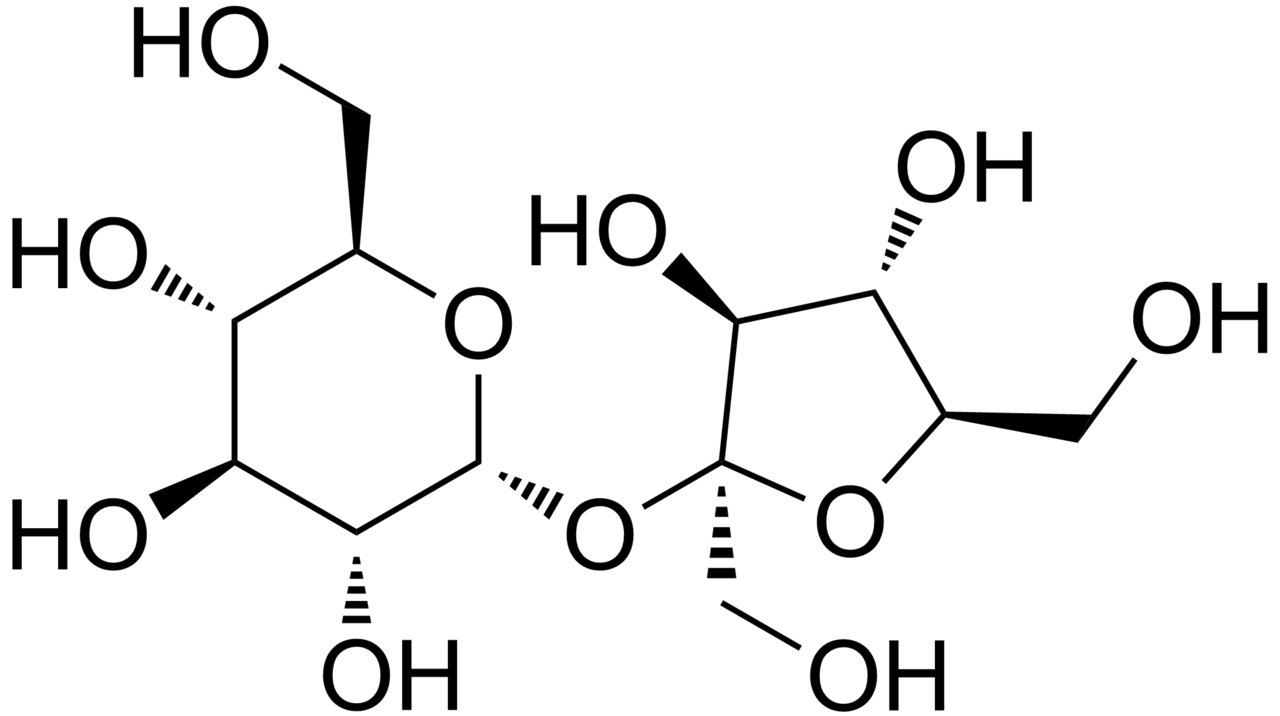
Chemically, sucralose is a chlorinated disaccharide: three hydroxyl groups on the sucrose molecule are replaced by chlorine atoms. This change makes the compound both much sweeter and resistant to enzymatic breakdown in the digestive tract. Most ingested sucralose is not absorbed or is excreted unchanged; a small fraction may be absorbed and eliminated in urine. For information about metabolism and excretion, consult metabolic summaries. Sucralose is also notable for its stability to heat and a wide pH range, which affects its suitability in cooked and processed foods (stability studies).
History and manufacture
Sucralose was first synthesized and subsequently patented in the 1970s. Commercial production typically starts from sucrose and uses multi-step chemical reactions to introduce chlorine atoms in specific positions. The compound was later developed for consumer use and marketed under various brand names by food ingredient manufacturers. Its manufacturing requires controlled processes to ensure purity and consistent sweetness.
Uses
Sucralose is used in a wide variety of applications where a high-intensity, non-caloric sweetener is desired. Typical uses include:
- Tabletop sweeteners and packets.
- Soft drinks, powdered drink mixes, and low-calorie beverages.
- Baked goods and confections where heat stability is required.
- Processed foods, dairy products, and tabletop syrups to extend shelf life.
- Pharmaceuticals and vitamin products to mask bitterness.
Safety, regulation and notable considerations
Regulatory authorities in many jurisdictions have evaluated sucralose and allowed its use within specified limits. Safety assessments have focused on toxicity, carcinogenicity, reproductive effects, and metabolic fate. Some research has examined effects on gut microbiota or potential degradation products formed at high temperatures; findings have led to further study rather than consensus changes in regulatory status. As with many food additives, recommendations emphasize typical consumption within accepted daily intake thresholds established by food safety agencies.
Comparisons and practical notes
Compared with other sweeteners, sucralose is prized for heat and pH stability, making it more suitable than aspartame in baked or high-temperature applications. Its sensory profile differs from natural sweeteners like stevia or sugar alcohols, and formulations often combine sucralose with bulking agents or other sweeteners to mimic the texture and mouthfeel of sugar. Consumers choosing sweeteners should consider taste preference, intended use (e.g., cooking vs. cold beverages), and any personal dietary concerns.
Related articles
Author
AlegsaOnline.com Sucralose: properties, uses, history and safety Leandro Alegsa
URL: https://en.alegsaonline.com/art/94559