
Stulpicani (commune in Suceava County, Romania)
Stulpicani is a rural commune in Suceava County, located in Romania's historic Bukovina. It is known for traditional architecture, a multiethnic past and rural economy with growing cultural tourism.
Stulpicani is a rural commune located in the historic region of Bukovina in northeastern Romania. Administratively it belongs to Suceava County and to the state of Romania. The commune is centred on a principal village that gives it its name and includes surrounding settlements characteristic of the region's dispersed rural pattern.
Image gallery
10 Images




Geography and administration
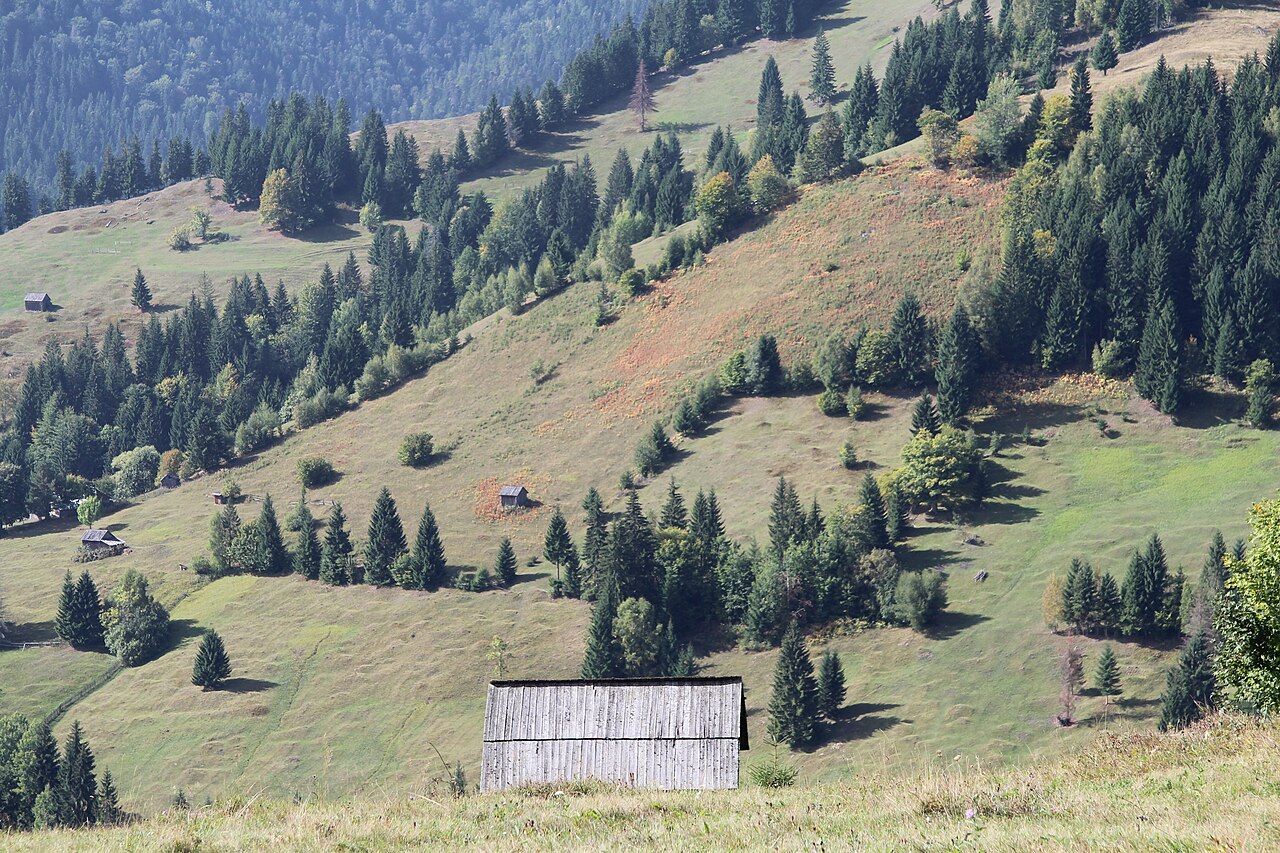
Set within the rolling hills and foothills that mark the transition to the Eastern Carpathians, Stulpicani combines agricultural land, pasture and forested areas. Its small-scale settlements sit along county roads and local tracks that connect residents to nearby market towns. The commune functions under the Romanian local government system, with a mayor and council responsible for public services, local infrastructure and community affairs.
History and cultural background
Stulpicani lies in Bukovina, a borderland with a long history of cultural mixing. The wider region was administered by the Habsburgs from the late 18th century and later became part of modern Romania after World War I. Over centuries Bukovina hosted Romanian peasants along with groups such as Bukovina Germans, Ukrainians and Jews; many communities changed or dispersed during the 20th century because of war, migration and political change. These layers of history are visible in local traditions, religious buildings and old cemeteries.
Economy, architecture and traditions
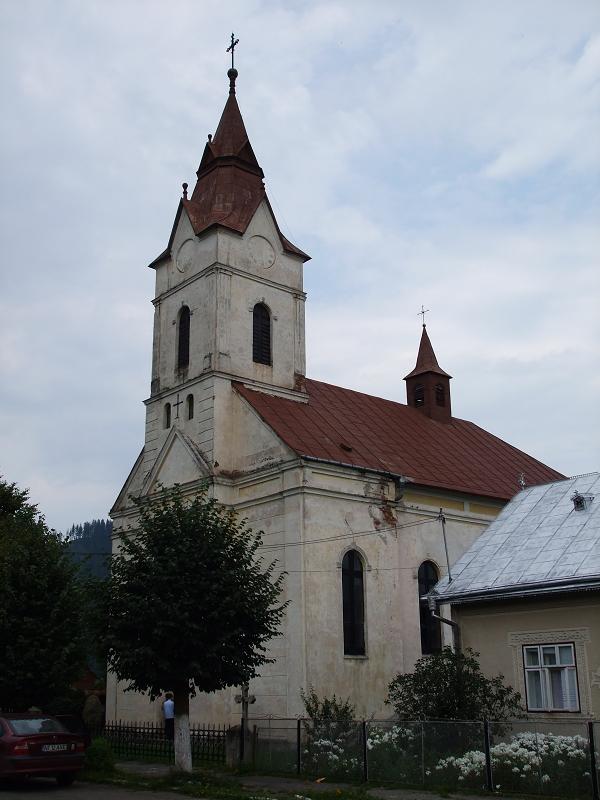
The local economy is mainly rural: small-scale farming, animal husbandry and forestry are common livelihoods, supplemented by crafts and seasonal work. Traditional wooden houses and village churches are an important part of the built landscape. Folk customs, traditional dress and seasonal celebrations continue to be observed by older residents and are occasionally showcased for visitors.
Tourism and points of interest
- Rural landscape suitable for walking, nature observation and experiencing village life.
- Local religious and vernacular architecture reflecting Bukovina’s multiethnic past.
- Opportunities for cultural tourism and heritage projects that interpret regional traditions.
Visitors and researchers approach Stulpicani as an example of Bukovina’s rural communities: modest in scale but rich in layered history and traditional culture. Its preservation challenges are similar to many peripheral communes in the region — balancing economic needs with conservation of landscape and heritage.
Related articles
Author
AlegsaOnline.com Stulpicani (commune in Suceava County, Romania) Leandro Alegsa
URL: https://en.alegsaonline.com/art/94400