
Subate — a small Latvian border town
Subate is a small town in southern Latvia, granted town rights in 1917. It is known as a local market centre near the Lithuanian border with a layered cultural history and rural economy.

Subate is a small town in southern Latvia that received formal town rights in 1917. Located close to the Latvian–Lithuanian border, it functions as a local service and market centre for surrounding villages and farms. The town has a long, mixed cultural heritage shaped by Latvian, Baltic and Central European influences.
Image gallery
6 Images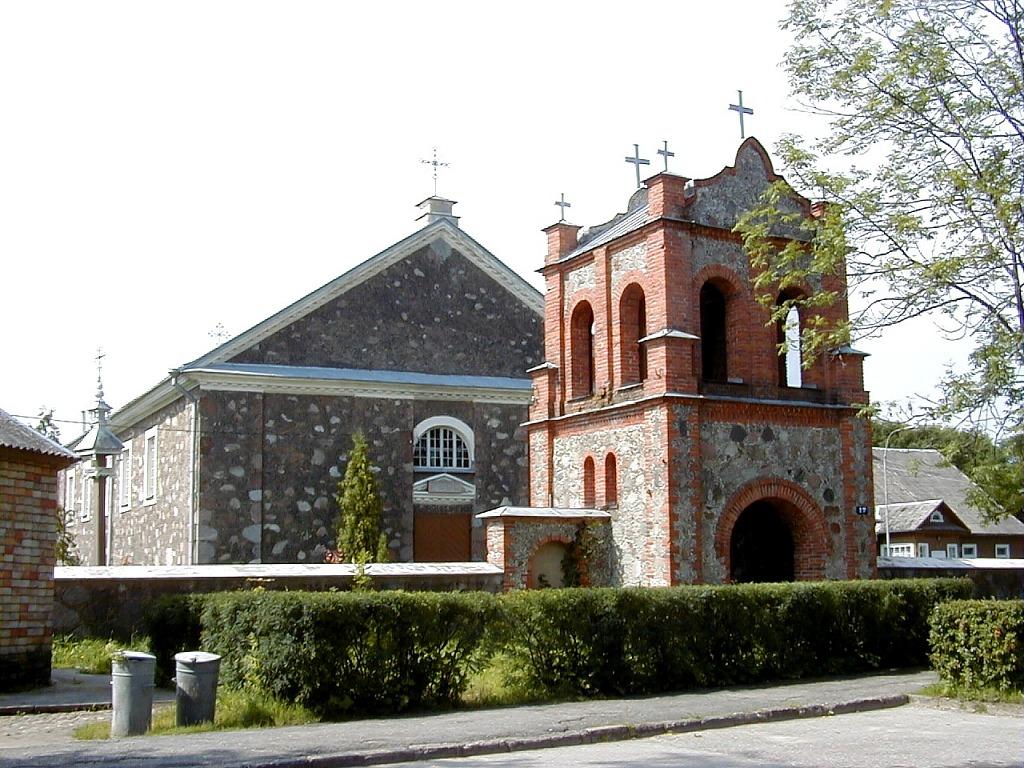



Overview and setting
Subate lies within a predominantly rural landscape. Its setting has historically made it a modest crossroads for local trade and cross-border contact. The town retains a compact core of streets, small shops and community facilities typical of small municipalities in the region.
Characteristics
- Administrative role: a local centre for nearby settlements and rural administration.
- Economy: dominated by agriculture, small-scale commerce and services catering to residents and visitors.
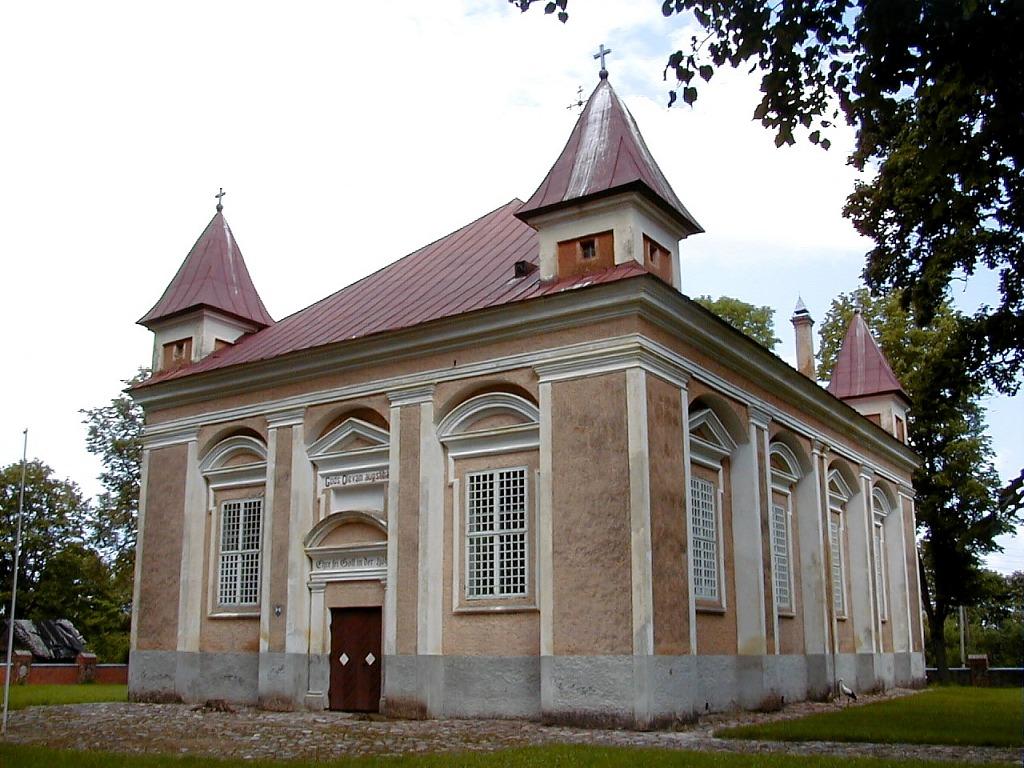
- Built environment: a mixture of traditional houses, civic buildings and religious sites reflecting different cultural influences.
History and development
Subate's recorded development culminated in receiving town rights in 1917. Over the centuries the locality has been shaped by shifting political borders and population movements that are characteristic of the borderlands of the Baltic states. These changes affected land ownership, settlement patterns and the composition of the community.
Culture and community life
Local life in Subate emphasizes community institutions, small cultural events and traditions tied to the agricultural calendar. The town's cultural fabric reflects a mixture of languages, faiths and practices that have coexisted in the area for generations.
Visiting and notable facts
Visitors to Subate encounter a quiet, rural town rather than a tourist centre. Points of interest are local churches, memorials and the everyday streetscape that illustrate regional history. For basic municipal information, see Subate as a starting reference.
As with many small towns near national borders, Subate is representative of wider historical processes in the Baltics: cultural contact, changing administrations, and adaptation to modern rural economies.
Related articles
Author
AlegsaOnline.com Subate — a small Latvian border town Leandro Alegsa
URL: https://en.alegsaonline.com/art/94464