
Batting (cricket): technique, tactics, history and statistics
Comprehensive overview of batting in cricket: roles, equipment, techniques, common shots, tactics by format, dismissals, statistics and practice approaches for developing batters.
Overview
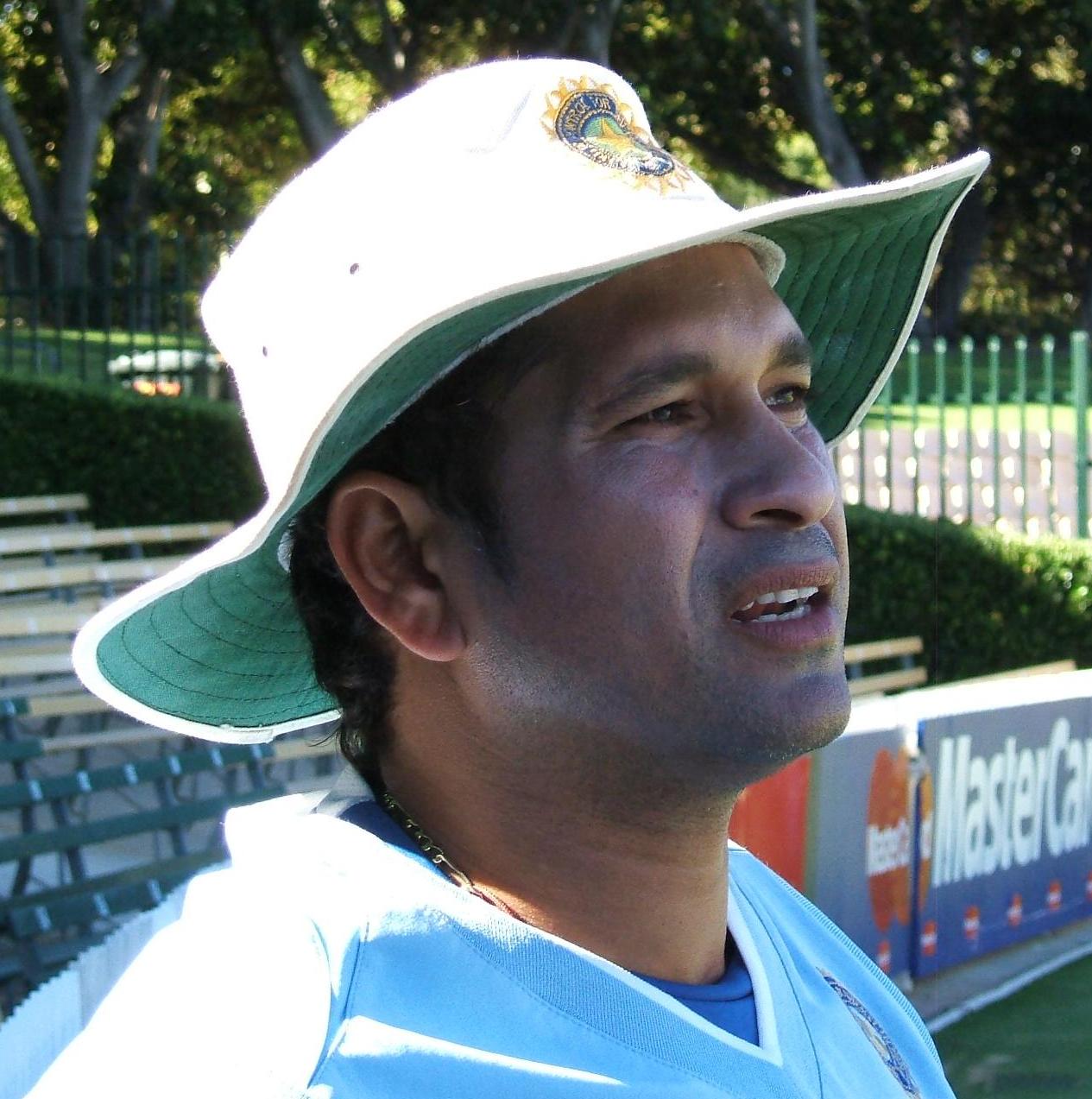
In cricket, batting is the act of striking the ball with a cricket bat to score runs and to protect the wicket. Any player sent out to face deliveries is referred to as a batter. At any time two batters are on the field: the striker, who faces the bowler, and the non-striker, who stands at the opposite end. An innings continues until a predetermined number of overs are bowled, a team is bowled out, or other match conditions end it.
Image gallery
10 Images



Equipment and protective gear
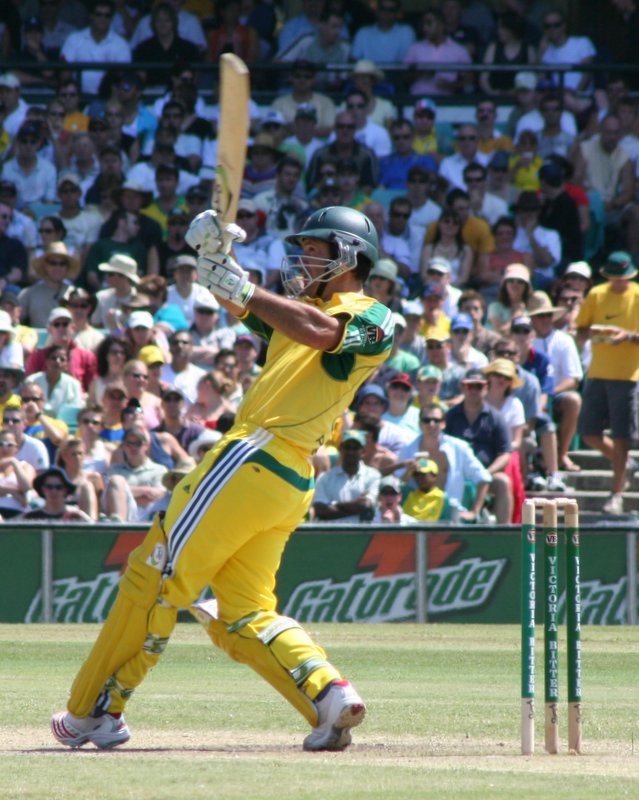
Batters use a flat-faced willow bat and wear padding and protective items including gloves, leg pads, an abdominal guard, and, at higher levels, a helmet with a faceguard. The bat's shape and weight are chosen to suit stance and preferences, while protective equipment has evolved in response to faster bowling and new shot types.
Stance, footwork and timing
Fundamental components of effective batting are stance, balance, footwork and timing. A stable stance enables quick movement forward or back to meet length. Footwork positions the body to play defensive and attacking strokes, allowing the batter to align bat, head and eyes to meet the ball. Soft hands, precise timing and balance reduce the chance of edges carrying to fielders.
Common shots and shot selection
Batters use a repertoire of strokes to score against different deliveries. Typical shots include the forward defensive and the straight drive for fuller balls; the cut and square drive for short and wide deliveries; the pull and hook for short-pitched bowling; and the sweep and reverse sweep against spin. Shot selection requires reading the bowler's length, line and pace, and choosing risk level according to match situation.
- Examples of strokes: straight drive, cover drive, cut, pull, sweep, glance, flick.
- Shot factors: footwork, bat face angle, follow-through and placement.
Batting order and building an innings
Teams organise batters by role: openers face the new ball, middle-order batters consolidate or accelerate, and lower-order batters support late-innings scoring. Building an innings often involves occupying the crease, rotating strike between partners, and increasing scoring rate cautiously. Partnerships are central: two batters who complement each other's scoring and survival skills can steer an innings through difficult periods.
Tactics by format and match situation
Tactics vary with match format. In multi-day matches, patience and leaving the ball are prized, while limited-overs formats reward higher scoring rates and inventive shot play. In T20 cricket, aggressive intent, power-hitting and innovative shots are common. Batters also adapt to field placements, bowler strategies and pitch behaviour. For an introduction to the sport, see cricket.
Dismissals, rules and risk management
Batters can be dismissed in several ways: bowled, caught, leg before wicket (LBW), run out, stumped, and other less common methods. Defensive technique seeks to minimise exposure to these dismissals while maintaining scoring opportunities. Mastery of leaving balls outside off stump, playing with soft hands, and quick decision-making on running are important parts of risk management.
Statistics and records
Batting performance is measured by several statistics. The batting average is calculated as total runs divided by times dismissed and is a primary indicator of consistency; the strike rate measures scoring speed, especially in limited overs. Milestones such as half-centuries and centuries, highest individual scores, and consistency over matches are tracked to evaluate careers and match contributions. For more on the batting average metric, see batting average.
Practice, coaching and skill development
Coaching focuses on technique, footwork drills, net practice against bowling of varying pace and spin, and mental training for concentration and decision-making. Video analysis and targeted drills develop hand-eye coordination, shot selection and balance. Improving reflexes and anticipation helps when facing short-pitched bowling; resources on reaction and movement can be useful, for example material about reflexes.
History, conditions and adaptation
Batting techniques have evolved with changes in equipment, pitch preparation and bowling styles. Players touring different countries learn to adapt to local pitch conditions, which affect bounce and turn, and to the behaviour of the cricket ball under different climates. Strategy and planning are integral to modern batting, with captains and coaches shaping approaches according to match context and opposition tactics; further reading on planning and tactics is available under strategy.
Key skills summary
- Technical: stance, footwork, bat control, shot mechanics.
- Mental: concentration, patience, game awareness.
- Tactical: strike rotation, partnership building, format-specific scoring.
Successful batting combines these physical, mental and tactical elements. Players progress through practice, match experience and adaptation to diverse conditions, aiming to balance scoring with wicket preservation according to team objectives.
Questions and answers
Q: What is batting in cricket?
A: Batting in cricket is the act or skill of hitting the cricket ball with a cricket bat to score runs or prevent the loss of one's wicket.
Q: Who is called a batter?
A: Any player who is currently batting, regardless of their other skills in cricket, is called a batter.
Q: What are some qualities that make up a top-level batter?
A: A top-level batter has good reflexes, decision-making and strategy with excellent physical batting skills.
Q: How many players are on the pitch during an innings?
A: During an innings two members of the batting side are on the pitch - the striker and non-striker.
Q: What happens when a batter gets out?
A: When a batter gets out they are replaced by another teammate until all 10 team members have been dismissed or until the end of the innings.
Q: What tactics do batters use to score quickly without losing their wicket?
A: Batters may take risks to score quickly but this increases their chances of being dismissed. Alternatively, they can guard their stumps which will result in fewer runs scored but less chance of getting out.
Q: How do we measure how effectively a batter plays?
A: The main statistic used to measure how effectively a batter plays is their batting average which is calculated by dividing number of runs scored by times dismissed.
Related articles
Author
AlegsaOnline.com Batting (cricket): technique, tactics, history and statistics Leandro Alegsa
URL: https://en.alegsaonline.com/art/9417
Sources
- stats.espncricinfo.com : "Records / Combined Test, ODI and T20I records / Batting records ; Most runs in career"