
Stonewall, Texas: small Hill Country community and birthplace of Lyndon B. Johnson
Stonewall is an unincorporated community and census-designated place in Gillespie County, Texas, known as the birthplace and home region of President Lyndon B. Johnson and for nearby parks, ranches and wineries.
Overview
Stonewall is an unincorporated rural community and census-designated place in central Texas. It lies in Gillespie County and is part of the Texas Hill Country landscape that blends rolling limestone hills, oak and cedar trees, and ranchland. The population was recorded at 525 in the 2010 census, reflecting the small, dispersed character of the settlement.
Image gallery
3 Images

Location and physical characteristics
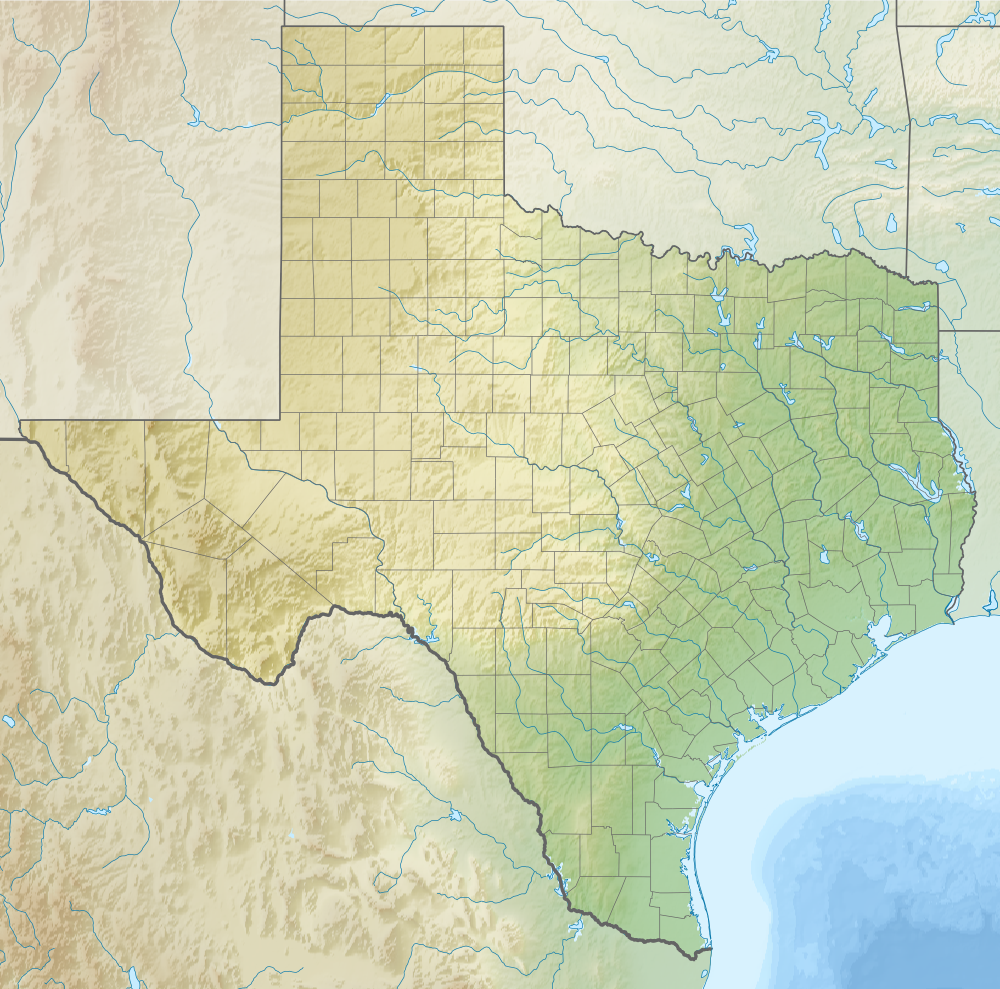
Stonewall sits in Gillespie County, roughly between the county seat and other Hill Country towns, with terrain that slopes toward nearby creeks and the Pedernales River watershed. Soils and climate favor ranching, some crop farming, and increasingly viticulture; the area is often included in discussions of Texas wine country and scenic rural tourism.
History and significance
Stonewall is best known nationally as the birthplace of President Lyndon B. Johnson, a fact that has shaped local identity and tourism. The region grew as a farming and ranching community in the 19th and early 20th centuries and retains many of the patterns of rural settlement from that era. Historical associations with Johnson brought federal and state attention to preservation and interpretation of local sites.
Notable sites and parks
The area includes several public historic and recreational properties connected with Lyndon B. Johnson and local history. Visitors encounter both a national historical park and a state historic site that interpret LBJ's life, the working ranch, and rural Texas culture. These protected areas draw tourists and school groups and are central to local heritage tourism.
Economy and community life
Stonewall's economy mixes agriculture, ranching, and services that support visitors to historical sites. Small businesses, bed-and-breakfasts, and family farms coexist with a modest but steady tourist flow tied to the Johnson sites. The community retains a quiet, small-town character with community events and churches forming social ties.
Administration and links
As an unincorporated place in Gillespie County, Stonewall has no municipal government; county institutions handle planning and services. It lies within the state of Texas and is often referenced in materials about Lyndon B. Johnson (LBJ) and regional history. For visitors and researchers, local interpretive centers provide orientation and guidance to historic properties and trails.
Related articles
Author
AlegsaOnline.com Stonewall, Texas: small Hill Country community and birthplace of Lyndon B. Johnson Leandro Alegsa
URL: https://en.alegsaonline.com/art/94064
Sources
- factfinder2.census.gov : "Geographic Identifiers: 2010 Demographic Profile Data (G001): Stonewall CDP, Texas"