
Stonewall Brigade (Confederate infantry unit)
Confederate infantry brigade famed for its service under Thomas J. “Stonewall” Jackson; organized from Virginia regiments in 1861, it served throughout the Eastern Theater and was decimated by 1865.
Overview
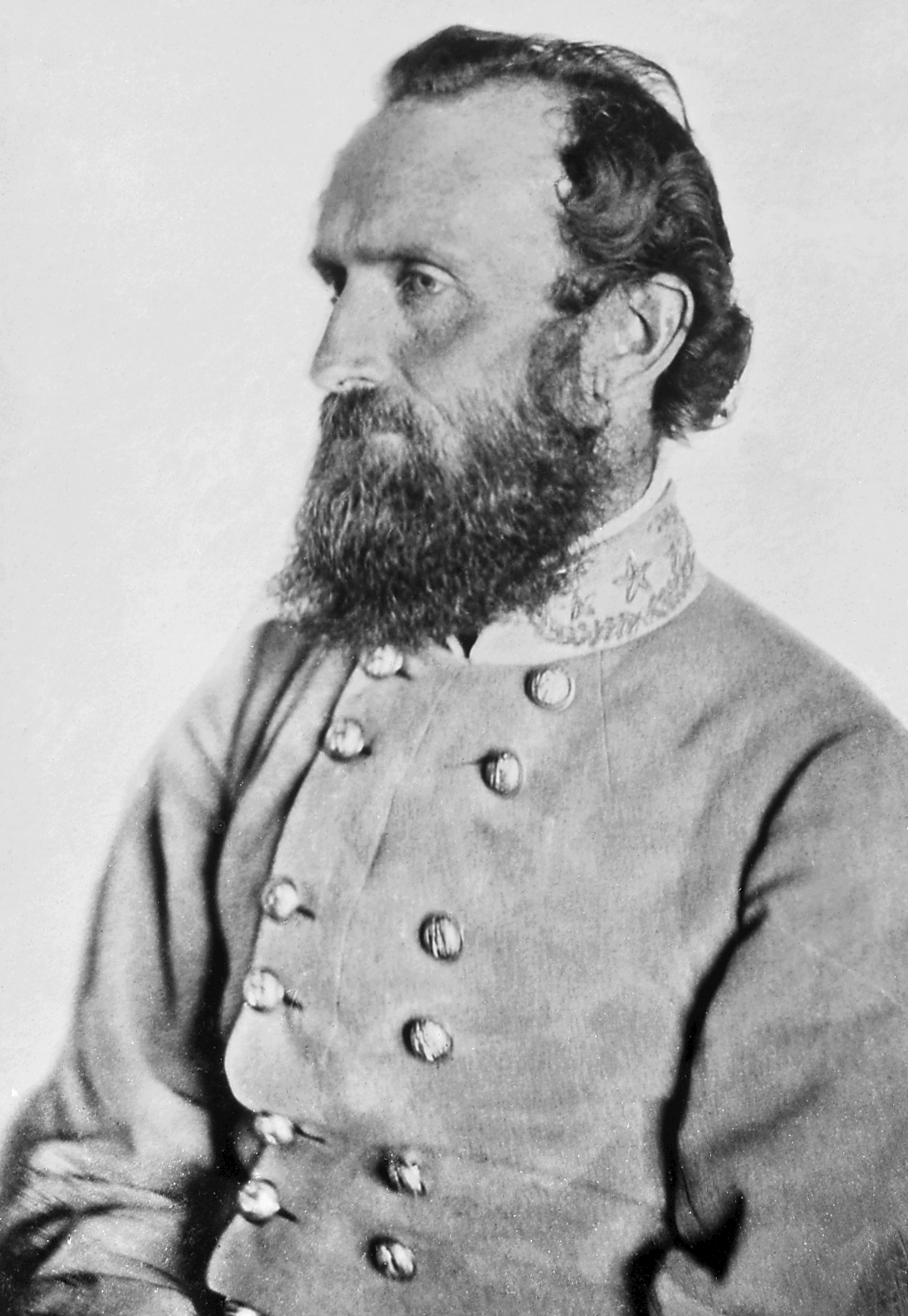
The Stonewall Brigade was a Confederate infantry formation raised in Virginia and famed for its early association with Brigadier General Thomas J. "Stonewall" Jackson. The brigade earned a reputation for steadiness under fire after Jackson's stand at the First Battle of Bull Run, where he received the sobriquet "Stonewall." It served throughout the Civil War in the Eastern Theater and became one of the most recognized Confederate brigade-level formations.
Image gallery
2 Images
Organization and composition
Initially formed in 1861, the brigade consisted of five Virginia line regiments and was organized as part of the Confederate Army's infantry structure. Its original regimental components were:
- 2nd Virginia Infantry
- 4th Virginia Infantry
- 5th Virginia Infantry
- 27th Virginia Infantry
- 33rd Virginia Infantry
These regiments were recruited from various counties in Virginia and commonly served together as a single tactical unit. The name "Stonewall Brigade" derived from its first and most famous commander; after he rose to higher command the brigade continued under a succession of Confederate officers and remained a component of the Army of Northern Virginia.
Combat history and development
The brigade saw action in many of the major campaigns fought by the Army of Northern Virginia. It was present in engagements of the Valley Campaign, the Seven Days, Second Bull Run, Antietam, Fredericksburg, Chancellorsville, Gettysburg and the prolonged Overland Campaign of 1864. During these battles the brigade solidified a reputation for discipline and cohesion even as manpower losses mounted. At the Battle of Spotsylvania Court House in May 1864 the unit sustained catastrophic casualties that shattered its original regimental identities; after sustained fighting it was consolidated into a much smaller regiment.
End of the war and legacy
By the time of the Confederate surrender at Appomattox Court House in April 1865, the once-large brigade had been reduced to only a few hundred men. Its wartime story—rapid organization in 1861, distinguished service, heavy losses, and final consolidation—has been a subject of Civil War histories and commemorations. The Stonewall Brigade is remembered both for its battlefield role and for the cultural legacy attached to Jackson's nickname and to numerous monuments, unit histories, and reenactment groups.
Notable facts and references
Although the brigade is closely tied to Jackson's early fame, the unit's significance rests on its sustained service across multiple campaigns. Modern study of the brigade touches on tactical performance, regimental composition, casualty and consolidation patterns, and postwar memory. For further reading on related topics see general works on Confederate infantry brigades and the Eastern Theater.
Related links: infantry brigade, brigade organization, American Civil War, Thomas J. Jackson, First Battle of Bull Run, Battle of Spotsylvania Court House.
Related articles
Author
AlegsaOnline.com Stonewall Brigade (Confederate infantry unit) Leandro Alegsa
URL: https://en.alegsaonline.com/art/94059