
Strategic bombing: concept, history, targets, and consequences
Aerial campaigns aimed at degrading an opponent’s warfighting capacity by striking industry, infrastructure, logistics and morale. Covers methods, historical development, targets and ethical issues.
Strategic bombing is the use of air power to damage an adversary’s ability to wage war by destroying or degrading facilities, resources and systems that sustain military operations. Unlike tactical air strikes that focus directly on battlefield forces, strategic bombing targets the broader economic, logistical and command infrastructure that supports an enemy’s armed forces. For discussion of doctrine and planning see military doctrine and general air campaign concepts.
Image gallery
10 Images


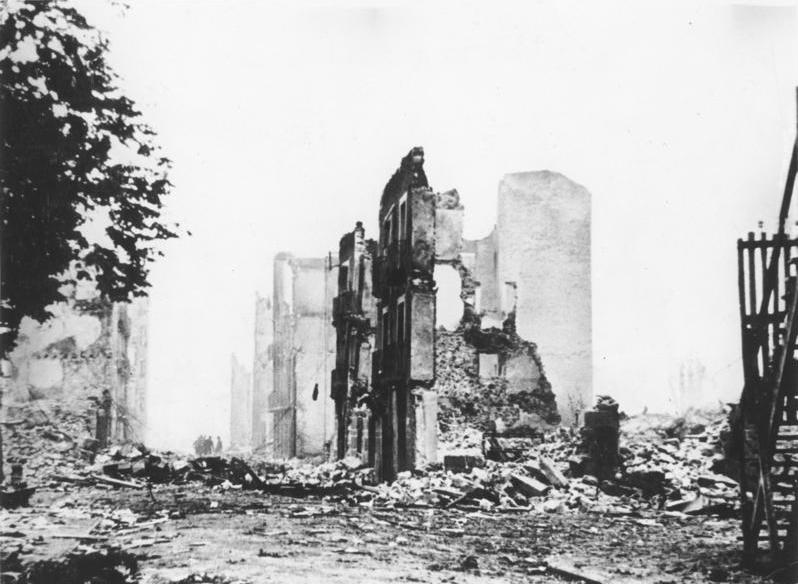
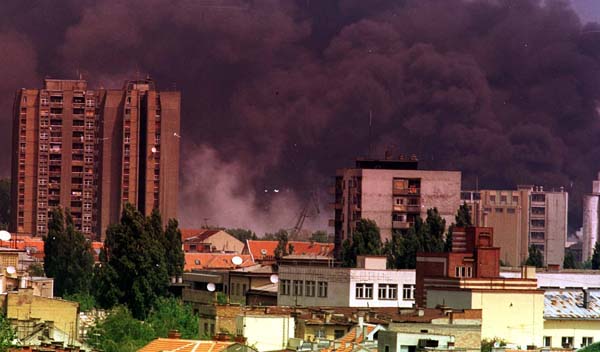


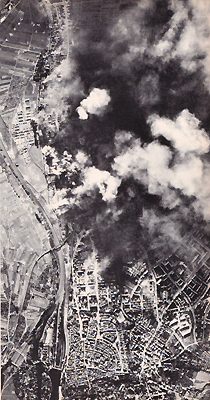
Typical targets and methods
Strategic campaigns select targets intended to interrupt production, movement, or command of forces. Common categories include:
- Industrial factories producing weapons, vehicles or supplies
- Transportation networks such as railways, bridges and major highways that move materiel
- Energy and fuel facilities including oil refineries and storage
- Population centers when attacks are intended to disrupt urban production or will
- Utilities and logistics hubs such as power plants and major depots
History and development
Theories of strategic bombing emerged between the world wars, arguing that attacking an enemy’s industry or morale from the air could shorten conflict. During the mid-20th century large-scale area and precision bombing campaigns were employed by several air forces; planners and historians continue to debate their military effectiveness and humanitarian cost. Later, the role of strategic air power evolved under the influence of technological change: long-range bombers, electronic warfare and guided munitions altered how campaigns were planned and executed. For institutional examples see historical analyses and case studies of attacks on urban areas.
In the post‑World War II era strategic bombing concepts were adapted to nuclear deterrence and to conventional campaigns. Modern militaries such as the United States Air Force have maintained long-range bomber forces and strike doctrines, employing aircraft described as strategic bombers alongside precision-guided munitions and stand-off weapons.
Effects, limits and legal concerns
Strategic bombing can interrupt production, degrade logistics and impose psychological pressure, but it also risks civilian casualties and widespread damage. Contemporary practice emphasizes discrimination and minimizing collateral harm: attacking military command nodes, suppressing air defences, and interdicting supplies rather than indiscriminate area bombing. Discussions of lawful targeting, proportionality and post-strike recovery are central to modern doctrine; see commentary on command and control, ammunition and depot targets, and broader analyses at policy resources.
While strategic bombing remains a component of national power, its application is shaped by technology, international law and political considerations. Planners balance military objectives against humanitarian impact, public opinion and the long-term consequences for reconstruction and stability. Further reading and archival sources are available via historical records and modern doctrinal reviews at technical repositories.
Questions and answers
Q: What is strategic bombing?
A: Strategic bombing is a military strategy used to destroy the enemies' economic ability to fight a war through air attacks.
Q: What types of targets are usually attacked in strategic bombing missions?
A: Strategic bombing missions typically target factories, railroads, oil refineries, cities, military bases, command and control facilities, airfields and ammunition dumps.
Q: How has the United States Air Force (USAF) used strategic bombers?
A: The USAF has utilized strategic bombers in later conflicts.
Q: Does strategic bombing involve ground attacks?
A: No, strategic bombing does not involve ground attacks; it involves attacking from the air.
Q: Are there any other countries that use this type of strategy?
A: Yes, many other countries have employed this type of strategy as well.
Q: Is it possible for civilians to be affected by these bombings?
A: Yes, civilians can be affected by these bombings if they are located near or within the targeted areas.
Q: What kind of damage can result from strategic bombings? A: Strategic bombings can cause significant destruction to infrastructure and property as well as loss of life depending on the severity of the attack.
Related articles
Author
AlegsaOnline.com Strategic bombing: concept, history, targets, and consequences Leandro Alegsa
URL: https://en.alegsaonline.com/art/94189