
STOL aircraft — short take-off and landing airplanes
Overview of STOL (short take-off and landing) aircraft: design principles, typical features, operational uses in remote and constrained environments, and performance and pilot considerations.
Overview
STOL stands for short take-off and landing. It denotes aircraft designed to operate safely from runways and landing strips substantially shorter than those required by conventional designs of similar weight. STOL capability is achieved by combining low-speed lift, strong climb performance and airframe features that reduce takeoff and landing distances. These aircraft are especially valuable where paved runways are unavailable, terrain is constrained, or access to remote communities and field operations is required.
Image gallery
5 Images


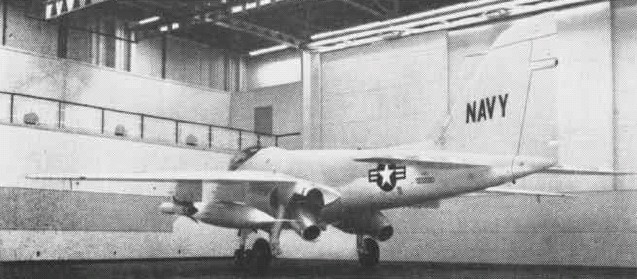
Design characteristics
Typical STOL design elements include low wing loading (large wing area relative to weight), extensive high-lift devices such as flaps and leading-edge slats, and aerodynamic aids like vortex generators and slots. Powerplants and propellers are often selected to maximize thrust and to produce propeller slipstream over the wing and tail, improving control at low speed. Landing gear is usually robust to tolerate uneven or unprepared surfaces. The trade-offs commonly include lower cruise speed and changes to fuel efficiency compared with conventional aircraft optimized for cruise.
High-lift systems and aerodynamics
High-lift systems increase lift at slow speeds. Common features are slotted or Fowler flaps, fixed or retractable slats, and devices that energize the boundary layer. Some designs use blown flaps or circulation-control concepts where engine exhaust or directed airflow increases lift across the wing. Designers balance complexity, weight and maintenance with the achievable reduction in takeoff and landing distance.
Operational uses
STOL aircraft are used in civilian and military roles: commuter and island services, bush and charter operations, aerial survey, search and rescue, medical evacuation, and delivery of supplies to remote settlements. In military applications they provide access to forward bases and austere fields. Their ability to operate from short, rough or high-altitude strips makes them a flexible choice where infrastructure is limited.
Performance metrics and planning
Performance is typically expressed as takeoff or landing distance to clear a specified obstacle height, a figure that pilots use for flight planning and certification. Environmental factors such as density altitude, wind, runway slope and surface condition strongly affect STOL performance. Aircraft performance charts provide guidance; conservative planning and weight management are essential when operating from confined fields.
Pilot technique and safety
Pilot technique is critical for safe STOL operations. Short-field procedures emphasize correct flap selection, precise speed control, use of full available runway, and energy management on approach and climb. Accurate assessment of obstacles, ground conditions and weather is vital. Many operators train specifically for short-field maneuvers and soft-field handling to reduce risk.
Trends and distinctions
STOL differs from vertical or short take-off/vertical landing concepts by relying primarily on wing-generated lift rather than vertical thrust. Recent trends include improved turboprop powerplants, refined high-lift aerodynamics, and experimental electric or hybrid propulsion concepts that may enhance low-speed control, reduce noise and lower operating costs. Operators continue to weigh the benefits of short-field access against compromises in cruise efficiency and payload-range performance.
Considerations for operators
- Infrastructure: STOL capability reduces dependence on long paved runways but does not eliminate the need for safe, maintained landing sites.
- Payload and range: Short-field performance may limit maximum payload or fuel load; mission planning must balance these factors.
- Maintenance and certification: Specialized high-lift devices and robust landing gear can increase maintenance requirements and influence certification standards.
Summary
STOL aircraft provide crucial access to constrained and remote locations by emphasizing low-speed lift and short-field performance. Their design and operation reflect a set of compromises and specialized techniques that enable transport, emergency response and other missions where conventional aircraft cannot safely operate.
Related articles
Author
AlegsaOnline.com STOL aircraft — short take-off and landing airplanes Leandro Alegsa
URL: https://en.alegsaonline.com/art/94024