
Stealth ship: design, history, and operational roles
A stealth ship minimizes detection by radar, sonar, infrared and visual sensors. This article outlines design principles, development history, operational uses, limitations, and notable distinctions.
Overview
A stealth ship is a naval vessel designed to reduce the chance of detection by an adversary’s sensors. Rather than being literally invisible, these ships manage and minimize signatures — radar, acoustic, infrared and magnetic — so they are harder to spot, track or target. Stealth features are integrated into hull form, materials, onboard systems and operational practices.
Image gallery
10 Images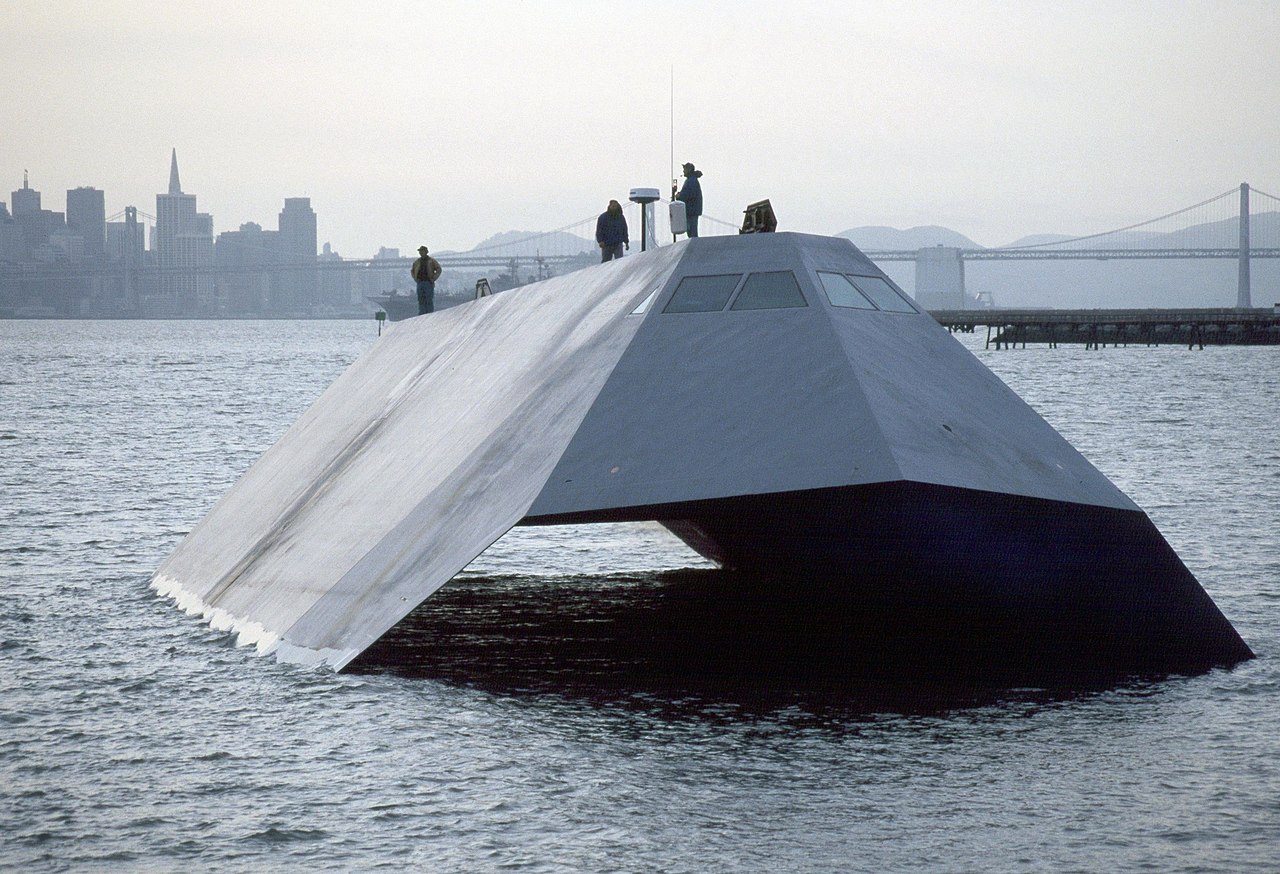


Design characteristics
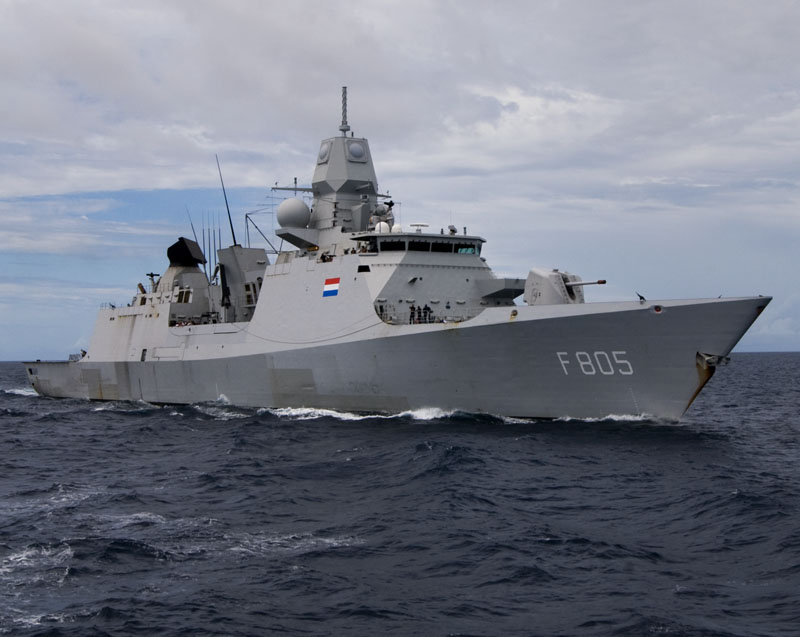
Key measures include shaping the hull and superstructure to scatter radar waves, using radar-absorbent materials, enclosing or masking deck equipment, and reducing heat and exhaust plumes to lower infrared signatures. Acoustic quieting techniques isolate noisy machinery and use specialized propellers or waterjets to reduce cavitation. Magnetic and electronic signature reduction can also be applied. These design choices often require compromises in internal volume, stability, maintenance access and cost.
History and development
Interest in low-observable naval design grew during the late 20th century as radar systems advanced. Naval architects adapted concepts from aircraft stealth and submarine quieting to surface ships. Over time, several navies experimented with purpose-built stealth combatants and corvettes. Research continues in materials, active signature cancellation and sensor fusion to maintain an advantage against evolving detection technologies.
Operational roles and limitations
Stealth ships are used for littoral warfare, intelligence gathering, patrol, and as platforms for missile strikes or special forces. They are valuable when surprise and reduced targeting risk matter. However, stealth does not guarantee invulnerability: modern surveillance combines multiple sensor types and data sources, so stealth is one element in a broader operational concept that includes tactics, emissions control and allied support.
Further reading and distinctions
- Compare stealth surface ships with conventional hulls, which prioritize payload and seaworthiness over signature reduction.
- Advances in sensors, computational detection and networked tracking continually change the balance between stealth measures and counter-detection.
- For a practical overview of ship design trade-offs see design resources, and for how radar systems detect vessels see radar fundamentals.
Related articles
Author
AlegsaOnline.com Stealth ship: design, history, and operational roles Leandro Alegsa
URL: https://en.alegsaonline.com/art/93605