
Stapleford Abbotts: village and civil parish in Epping Forest, Essex
Stapleford Abbotts is a small rural village and civil parish in the Epping Forest district of Essex, England. It has a long rural history, local governance as a parish, and a small population recorded in 2001.
Overview
Stapleford Abbotts is a village and civil parish in the Epping Forest district of Essex, England. It is a small, predominantly rural community within the wider eastern approaches to London. The parish combines agricultural land, dispersed housing and small areas of woodland, giving it the character of a traditional Essex village set within a semi-rural landscape.
Image gallery
2 Images
Geography and character
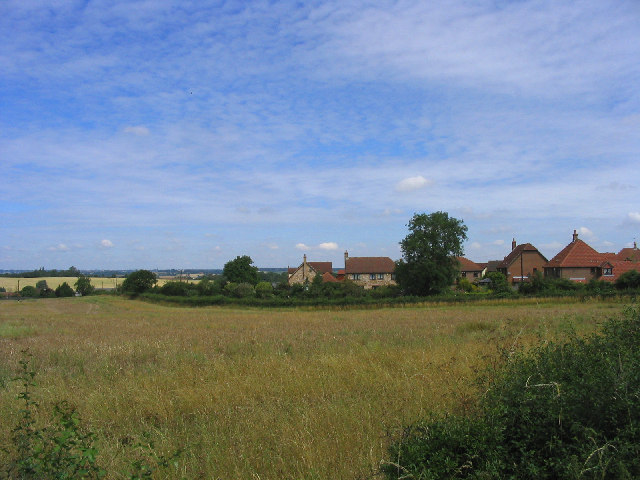
The settlement pattern in Stapleford Abbotts is low density, with lanes, hedgerows and farms forming much of the local scenery. The parish lies within the administrative area of Epping Forest district and is typical of villages in north‑east Essex: a mix of arable fields, pasture and small copses. The environment supports local wildlife and retains a quieter pace of life than urban centres nearby.
History and name
The place name reflects its medieval origins: "Stapleford" indicates a crossing or ford (a shallow river crossing), while the suffix "Abbotts" implies a historical association with an abbey or an abbot who once held land there. Like many English villages, it grew from a farming base and has evolved slowly over centuries without major urban redevelopment.
Governance and population
Stapleford Abbotts is governed at the local level as a civil parish within the Epping Forest district council area and the county of Essex. Census returns and local records show it has remained a small community; official figures recorded a population of 959 in 2001. Local parish meetings or a parish council handle village matters alongside district and county authorities.
Amenities, transport and daily life
As a rural parish, Stapleford Abbotts offers the kinds of amenities typical of small English villages: local roads, community facilities and places of worship or meeting spaces, though larger services, shops and rail links are found in nearby towns. Travel is largely by road and many residents rely on private vehicles; public transport tends to be limited compared with urban areas.
Notable aspects
- Small, stable population and predominantly agricultural landscape.
- Name illustrates medieval landholding and a river crossing.
- Part of the administrative district of Epping Forest and the county of Essex.
- Represents the quieter, rural side of the London commuter hinterland.
Related articles
Author
AlegsaOnline.com Stapleford Abbotts: village and civil parish in Epping Forest, Essex Leandro Alegsa
URL: https://en.alegsaonline.com/art/93415
Sources
- neighbourhood.statistics.gov.uk : ONS