
Epping Forest — ancient woodland on London's edge
Epping Forest is a long, narrow ancient woodland on the boundary of Greater London and Essex, valued for its archaeology, wildlife and public open spaces and managed to protect historic and natural features.
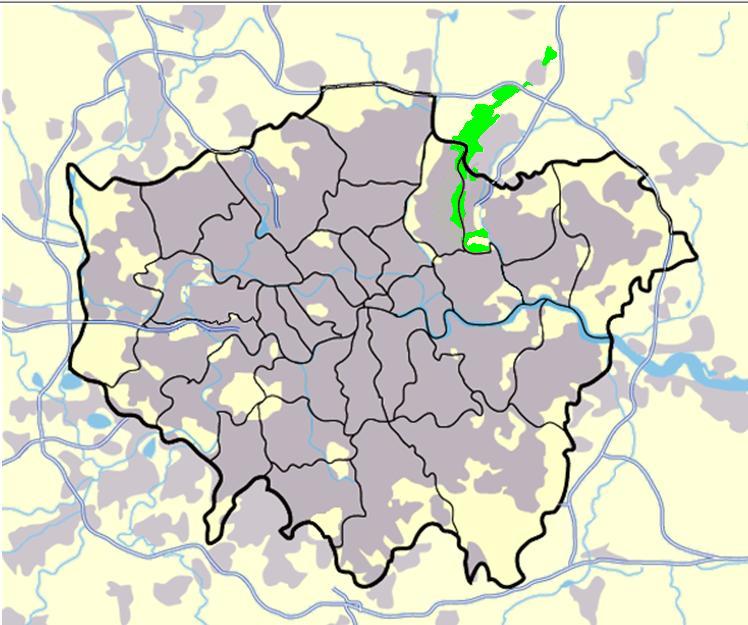
Epping Forest is a ribbon of ancient woodland and open heath that runs along the northeastern edge of the London metropolis into Essex. Stretching roughly 18 kilometres from end to end while remaining never more than about 4 kilometres across, the forest forms a distinctive green corridor separating built-up suburbs. Large tracts are publicly accessible and the area is prized both as a wildlife refuge and a recreational landscape for people from the capital and surrounding counties.
Image gallery
10 Images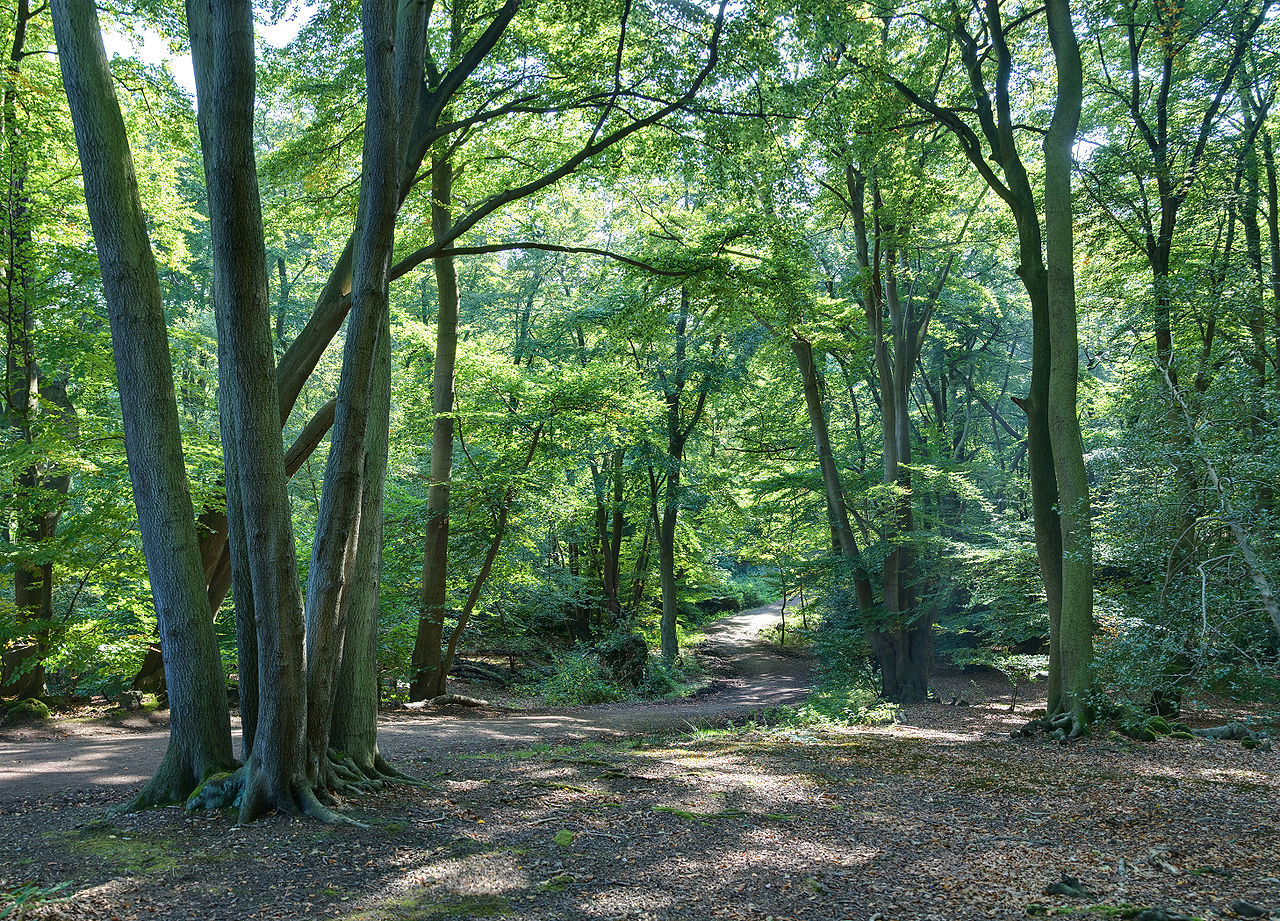



Landscape and natural character
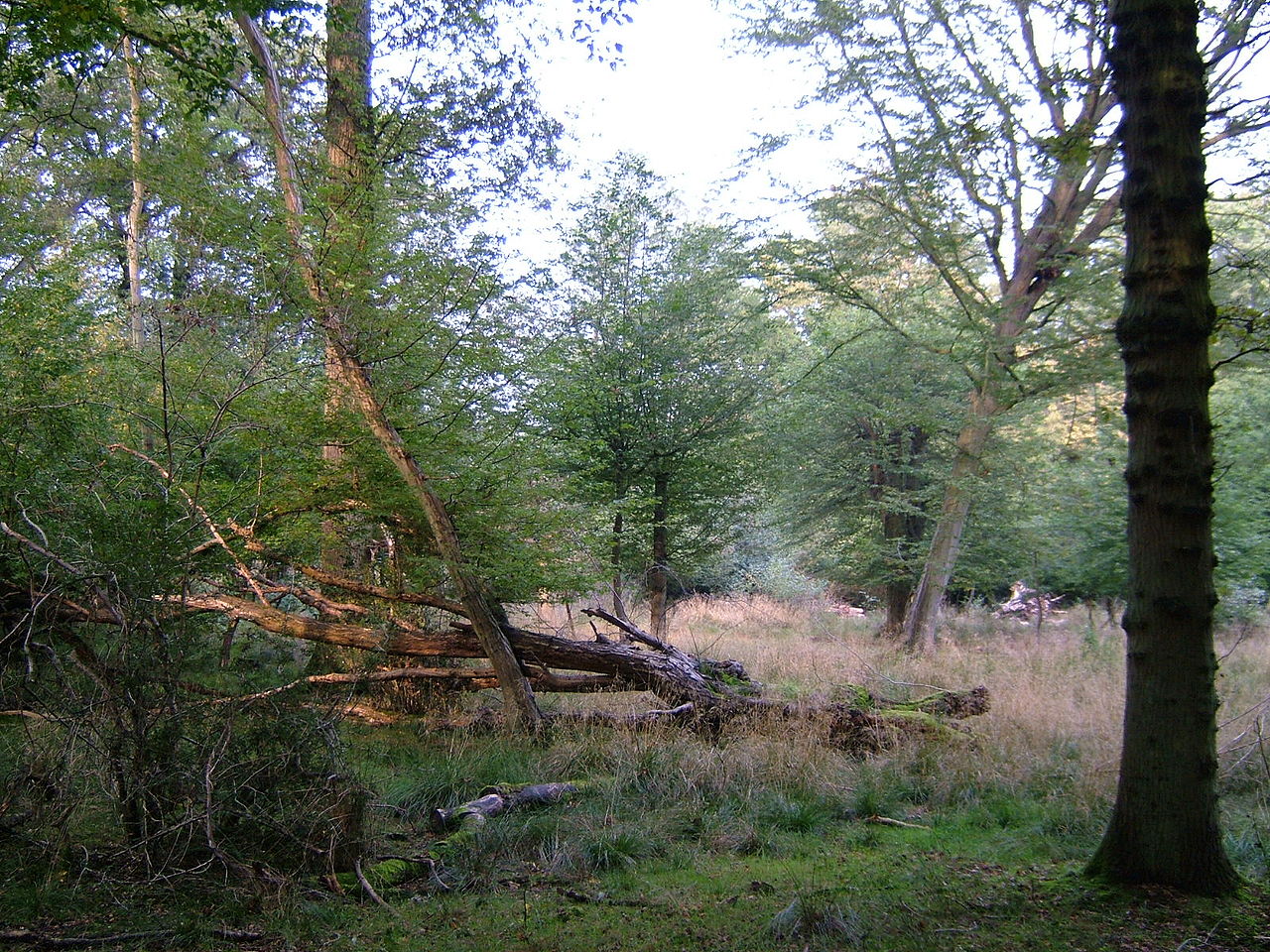
The forest comprises a patchwork of broadleaved woodland, wet hollows and open heaths. Veteran oak and hornbeam stands, areas of scrub, ponds and damp glades support a wide variety of plants, invertebrates and birds. Deer can be seen in places, and the undisturbed tree canopy and old coppice structures host important lichen and fungus communities. Much of the area has survived as ancient woodland, meaning it has been continuously wooded for many centuries.
History and archaeology
Evidence of human use reaches back to prehistoric times: Mesolithic flint scatters and later archaeological remains attest to early activity across the landscape; see Mesolithic finds and related surveys. There are Iron Age earthworks, including the well-known Ambresbury Banks hillfort, and a Roman villa rustica has been identified inside the forest, revealing agricultural occupation in the Roman era (Roman villa). Medieval and early modern records show the woodland used for grazing, timber and royal hunting, and these traditions shaped rights and management practices for centuries.
Protection, management and public use
During the 19th century pressure from enclosure and development prompted public campaigns for its protection. Legislation and local stewardship established measures to keep the forest open for public use and to conserve its habitats; management today seeks to balance nature conservation with recreation. The forest is well used for walking, horse riding, cycling, birdwatching and organised events, and it contains educational facilities and visitor information for those interested in natural history and local heritage.
Notable features and significance
- Long, narrow shape forming a green buffer between urban and rural areas and bordering Greater London.
- Archaeological richness from Mesolithic traces to Roman and Iron Age sites; see archaeological overviews at archaeology resources.
- Important examples of ancient coppice and heath habitats protected as part of national conservation designations and valued by local communities.
Today Epping Forest remains a prominent example of an accessible ancient landscape on the edge of a major city: a place of natural interest, historical depth and everyday recreation that continues to attract visitors, researchers and conservationists.
Related articles
Author
AlegsaOnline.com Epping Forest — ancient woodland on London's edge Leandro Alegsa
URL: https://en.alegsaonline.com/art/31782