
Star Alliance: global airline network and cooperative system
Star Alliance is the first major airline alliance, created to coordinate schedules, fares and frequent‑flyer benefits across members and to offer seamless global connectivity.
Overview
Star Alliance is a global airline alliance formed to provide coordinated international air travel through cooperation among member carriers. The alliance was established to simplify long‑haul connections, align frequent‑flyer programs and offer reciprocal services such as lounge access and baggage transfer. For an official overview see Star Alliance (overview). Its administrative headquarters are located at the alliance office in Frankfurt, within the German state of Hesse, Germany.
Image gallery
10 Images



Founding and early history
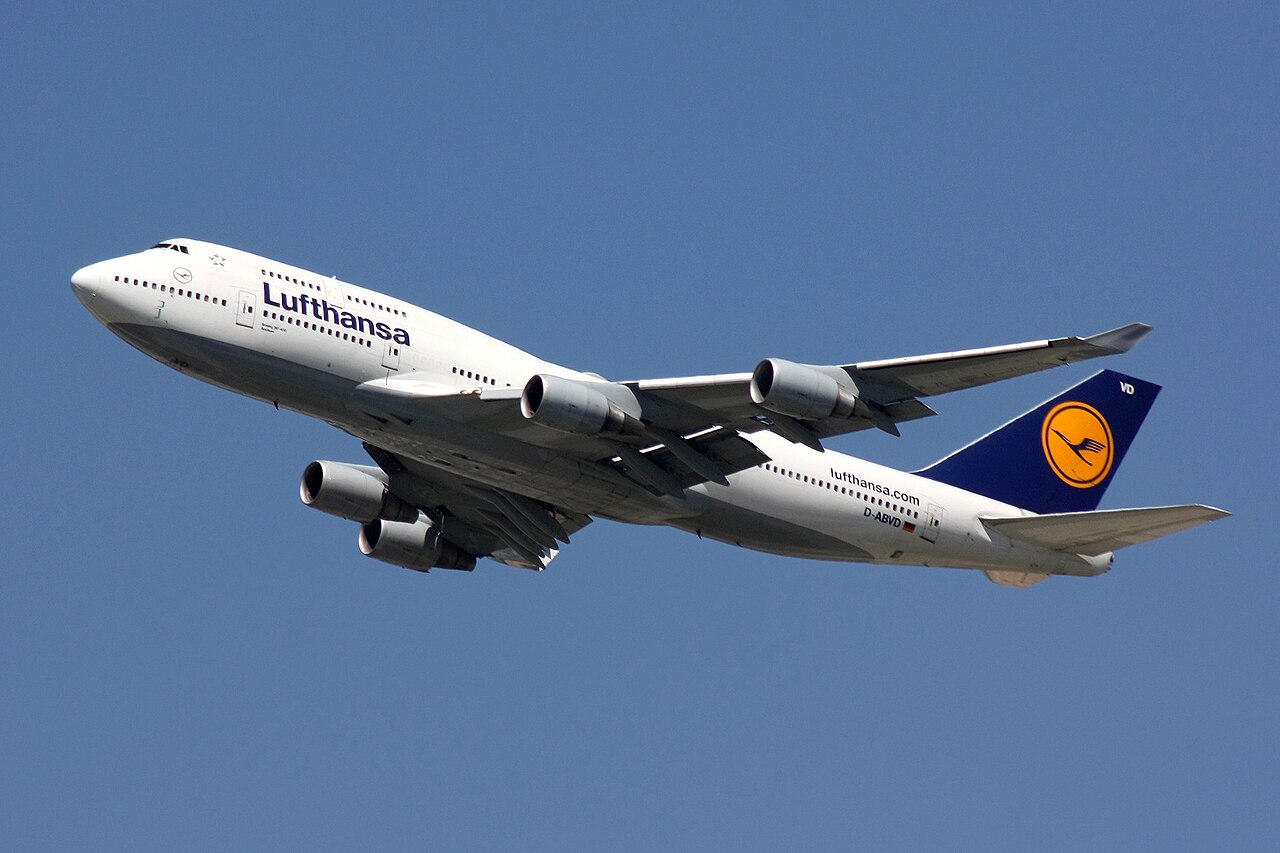
The alliance began in the late 1990s as airlines responded to growing demand for integrated international travel. It was formally launched by five carriers: Scandinavian Airlines, Thai Airways International, Air Canada, Lufthansa and United Airlines. Varig, the Brazilian carrier, is notable as an early joining airline with historical ties to the alliance structure (Varig was active in the alliance context in the 1990s). These founding relationships set standards for membership criteria, shared technology and cooperative scheduling.
Structure and member services
Members retain independent ownership and flight operations but adopt common practices for passenger convenience. Typical cooperative arrangements include:
- Coordinated schedules and codesharing to reduce connection times and expand route choices.
- Reciprocal frequent‑flyer benefits: mileage accrual, status recognition and award ticketing across carriers.
- Shared airport facilities such as lounges and priority services for premium passengers.
- Operational coordination for baggage handling, rebooking and customer service on interline itineraries.
Network, scale and milestones
Since its inception the alliance has expanded steadily. By the early 2010s it comprised more than two dozen member airlines and a network serving hundreds of countries and thousands of airports. Published historical figures from 2013 describe roughly 28 member airlines operating tens of thousands of daily flights and carrying hundreds of millions of passengers; these figures illustrate the scale an alliance can reach when major carriers collaborate. Member composition and totals have changed over time as carriers join, leave or restructure.
Importance and distinctions
Star Alliance is widely cited as the first large airline alliance and has been influential in shaping how international carriers cooperate without merging. Its model balances competition and collaboration: members compete on individual routes while jointly offering broader connectivity. For travelers, the practical effects include more seamless itineraries, broader frequent‑flyer opportunities and a more consistent level of airport services across partner airlines. For regulators and industry analysts, alliances present ongoing questions about market power, consumer choice and interoperability of systems.
Questions and answers
Q: What is Star Alliance?
A: Star Alliance is the world's first and largest airline alliance. It was founded in 1999 by five airlines, and now has 28 member airlines with more than 21,100 daily departures combined.
Q: Where is the headquarters of Star Alliance located?
A: The headquarters of Star Alliance are located in Frankfurt, Hesse, Germany.
Q: When was Star Alliance founded?
A: Star Alliance was founded in 1999 by five airlines.
Q: Who were the founding members of Star Alliance?
A: The founding members of Star Alliance were Scandinavian Airlines, Thai Airways International, Air Canada, Lufthansa and United Airlines. Varig Brazilian Airlines was the first airline to join in 1997.
Q: How many member airlines does Star Alliance have today?
A: Today, Star Alliance has 28 member airlines.
Q: How many daily departures do these member airlines have combined?
A: These member airlines have more than 21,100 daily departures combined.
Q: How many passengers does this alliance carry annually?
A: This alliance carries 678.7 million passengers annually across 1,329 airports in more than 150 countries each year.
Related articles
Author
AlegsaOnline.com Star Alliance: global airline network and cooperative system Leandro Alegsa
URL: https://en.alegsaonline.com/art/93420
Sources
- staralliance.com : "Impressum"
- staralliance.com : staralliance.com/assets/doc/en/about/member-airlines/pdf/star_backgrounder_history_chrono…
- atwonline.com : "LAN Colombia joins Oneworld; TAM to join March 31, 2014"
- usatoday.com : "US Airways promises 'quick' exit from Star Alliance"
- ausbt.com.au : "Star Alliance: what Australian frequent flyers need to know"
- ch-aviation.com : "Blue 1 to leave Star Alliance by end of November"
- viewfromthewing.boardingarea.com : "bmi's Exit from Star Alliance and Transferring Points and Status with British Airways"
- unroadwarrior.boardingarea.com : "Continental - Welcome to Star Alliance!"
- books.google.com : Tourism
- google.com : "Google"
- america.pink : america.pink/star-alliance_4157124.html
- centreforaviation.com : "Pressure mounts on Star and SkyTeam to secure Brazilian members as TAM confirms switch to oneworld"
- usatoday.com : "TAM will switch from Star Alliance to oneworld in March"
- nerdwallet.com : "US Airways Joins Oneworld on March 31 - Book Your Star Alliance Partner Flight Now!"
- ft.com : "Subscribe to read"