
St. Tammany Parish, Louisiana — Overview, history and features
Parish on the North Shore of Lake Pontchartrain in the New Orleans metro. Known for rapid growth, wetlands and recreation; county seat Covington and towns like Slidell and Mandeville shape its character.
St. Tammany Parish (French: Paroisse de Saint-Tammany) is a civil parish in southeastern Louisiana located on the North Shore of Lake Pontchartrain. It is part of the greater New Orleans metropolitan area and combines suburban communities, coastal wetlands and rural woodlands. The parish seat is Covington, and other principal towns include Slidell, Mandeville, Abita Springs, Madisonville and Lacombe.
Image gallery
8 Images

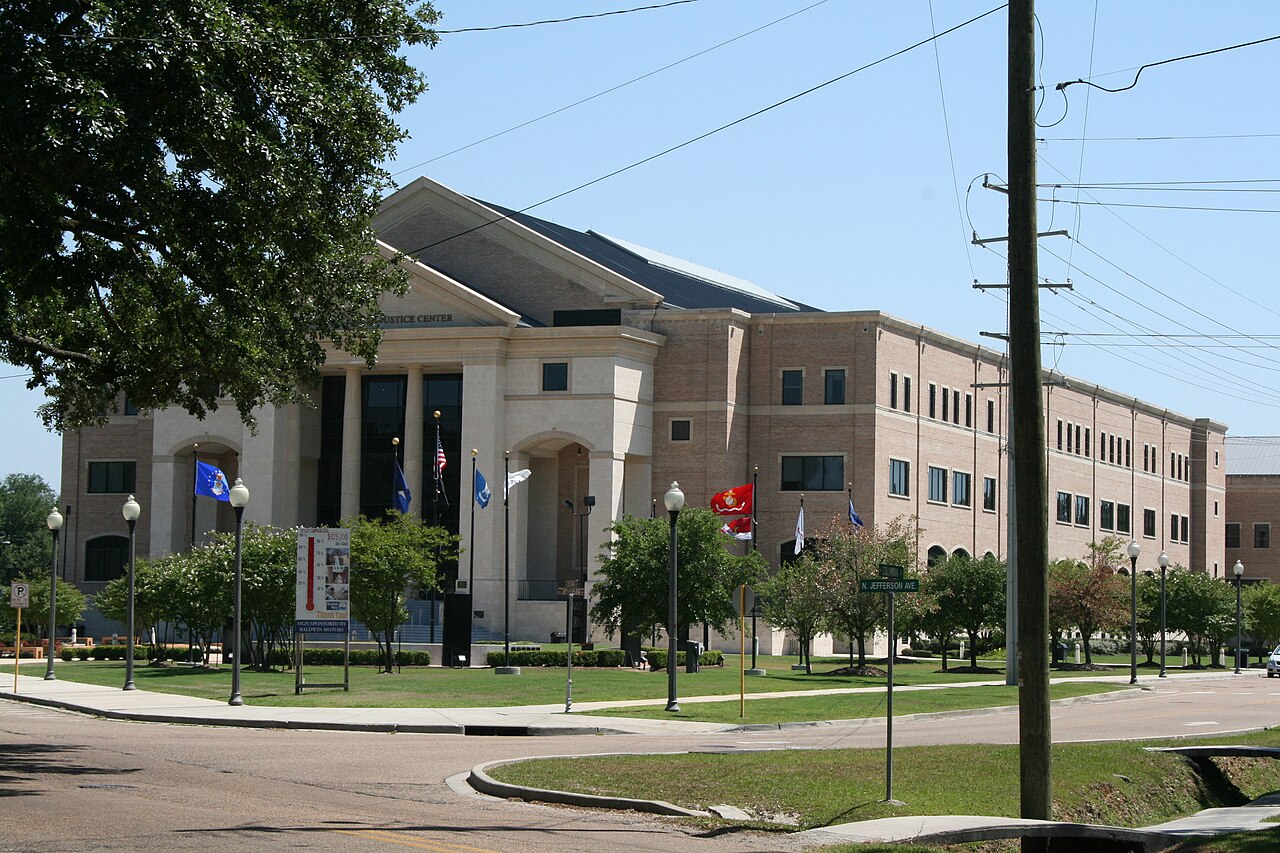


Overview and geography
St. Tammany occupies a varied landscape: low-lying marshes along the lake and river corridors, pine and mixed hardwood forests inland, and numerous bayous and estuaries that connect to larger waterways. These natural features support fisheries, wildlife habitat and outdoor recreation while also making significant portions of the parish sensitive to storm surge and flooding.
Communities and character
The parish contains a mix of small towns, suburban neighborhoods and rural areas. Covington functions as an administrative and cultural center, while Slidell offers commercial and industrial activity closer to transport corridors. Mandeville and other North Shore towns are known for lakeside parks, historic districts and local festivals. Many residents commute across the lake to jobs in New Orleans, contributing to St. Tammany's role as both a bedroom community and a local economic region.
- Parish seat: Covington
- Major towns: Slidell, Mandeville, Abita Springs, Madisonville, Lacombe
- Natural areas: bayous, swamps, Lake Pontchartrain shoreline, Honey Island Swamp
History and name
The parish takes its name from Tamanend (often called "St. Tammany" in colonial and early American usage), a Native American leader of the Lenape people who became a popular symbol in early American civic culture. Settlement and development on the North Shore grew slowly from the 19th century onward, shaped by river and rail links, timber and seafood industries, and later by suburban expansion tied to New Orleans.
Growth, hazards and economy
During the late 20th and early 21st centuries St. Tammany experienced notable population growth as people sought housing outside of New Orleans and its immediate suburbs. After Hurricane Katrina in 2005, internal migration within Louisiana and from affected coastal parishes contributed to further increases in residents. The parish economy blends local retail and services, tourism and outdoor recreation, construction and commuter-driven employment. At the same time, coastal erosion, hurricanes and flood risk remain important planning and environmental challenges for communities and local government.
Recreation and notable facts
Outdoor recreation is a major draw: boating, fishing, birdwatching and swamp tours are popular. Honey Island Swamp, protected lands and waterfront parks preserve wildlife corridors and offer ecotourism opportunities. Historic downtowns and cultural events reflect local heritage, while proximity to New Orleans provides broader cultural and economic links.
Further resources
- St. Tammany Parish general information
- Parish governance and services
- State of Louisiana resources
- Regional planning and development
- New Orleans metropolitan area context
- Metropolitan statistics and maps
- Covington municipal information
- Covington local site
- Census and demographic data (historic)
- Population estimates and studies
- Hurricane Katrina impact resources
- Neighboring parishes and migration patterns
- Comparative parish growth information
- Regional planning and hazard mitigation
For more detailed or current statistics, consult local planning agencies and state data portals listed above. This entry summarizes the parish's geography, communities, history and contemporary issues without exhaustive numerical detail.
Related articles
Author
AlegsaOnline.com St. Tammany Parish, Louisiana — Overview, history and features Leandro Alegsa
URL: https://en.alegsaonline.com/art/93136