
St Andrews, Fife — coastal university town and birthplace of modern golf
St Andrews is a small coastal town in Fife, Scotland, famed for the University of St Andrews, medieval ruins, sandy beaches and its internationally influential role in the history and governance of golf.
Overview
St Andrews is a town on the east coast of Fife in eastern Scotland, with a compact population of roughly 18,000 residents. Its name commemorates Saint Andrew, the patron saint of Scotland, and the figure is often referred to by visitors as the Apostle associated with the town's identity. The settlement occupies a coastal position on the North Sea, roughly midway between Edinburgh and Dundee, and retains the feel of a historic royal burgh even as it functions as a modern small town.
Image gallery
10 Images





University and cultural life
St Andrews is widely known for the University of St Andrews, Scotland's oldest university. The university gives the town a pronounced academic and international character: students and academic staff form a significant proportion of the population during term time, supporting cultural events, lectures and a range of clubs and societies. The combination of scholarship, tradition and a compact street pattern creates a distinctive civic life closely tied to the university calendar.
Golf: history and global influence
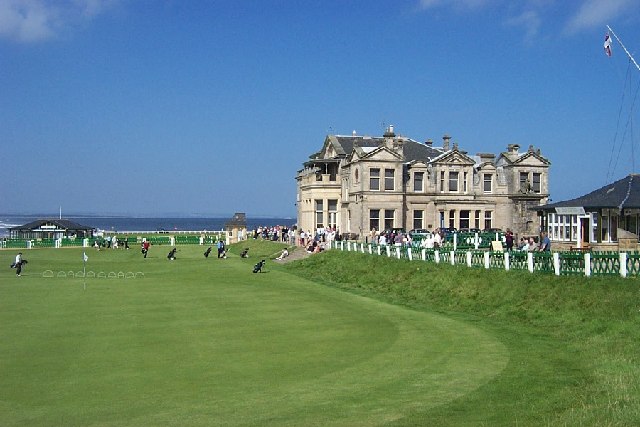
Golf is central to St Andrews's modern identity. The town hosts a number of historic courses, most famously the Old Course, and is often called the "home of golf." The Royal and Ancient Golf Club, established in 1754, has played a leading role in the sport's development and rules; this body was founded in the mid-18th century and historically exercised worldwide influence in governance of the game (1754), excluding certain jurisdictions such as the USA and Mexico. The town-owned links were acquired by local authorities in the late 19th century (1894) and St Andrews repeatedly serves as venue for The Open Championship, the oldest of the men's major golf tournaments (The Open, often described as the oldest of the men's major championships).
Landmarks and visitor attractions
Aside from golf, St Andrews attracts visitors for its architectural and archaeological heritage, sandy shorelines and compact medieval core. Key sites include:
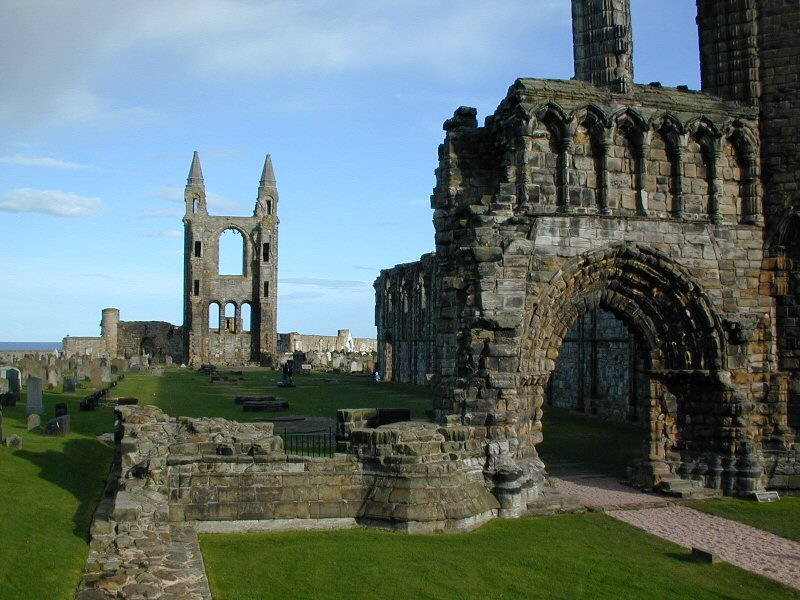
- ruins of St Andrews Cathedral and its graveyard
- St Andrews Castle, overlooking the sea
- the historic Old Course and a cluster of excellent golf links
- museums, botanical gardens and the university's ancient colleges
History and development
The town developed around religious and maritime activity in the medieval period and later acquired special status as a royal burgh. The university was established in the early 15th century and helped to sustain the town through centuries of change. Fishing, trade and later tourism and education have been the dominant economic influences, and the town's layout still reflects its long history with narrow streets, stone buildings and remnants of ecclesiastical architecture.
Economy, access and contemporary life
Today St Andrews's economy is driven by higher education, tourism, and the golfing industry; hospitality, retail and heritage services are important employers. Transport connections to other Scottish cities are largely by road and regional rail services to nearby hubs, with onward bus links serving the town. The combination of academic prestige, sporting history and coastal scenery makes St Andrews a compact but internationally recognized place to visit and study.
For further reading on the town's patronage and role in sport, culture and regional history, follow these topic links: Saint Andrew, the Apostle, Fife, Scotland, golf, North Sea, Edinburgh, Dundee, 1754, USA and Mexico, 1894, The Open Championship, men's major championships.
Questions and answers
Q: What is St Andrews?
A: St Andrews is a former royal burgh and town situated on the east coast of Fife, Scotland. It is also known as "home of golf" and is home to Scotland's oldest university, the University of St Andrews.
Q: How did St Andrews get its name?
A: St Andrews is named after Saint Andrew, who was one of the twelve apostles and the patron saint of Scotland.
Q: What is the population of St Andrews?
A: The population of St Andrews is about 18,000.
Q: Where is St Andrews located?
A: St Andrews is located on the North Sea coast between Edinburgh and Dundee in Fife, Scotland.
Q: What is St Andrews famous for?
A: St Andrews is famous for being the home of golf, and also for having Scotland's oldest university, the University of St Andrews. Visitors come to St Andrews for its world-renowned golf courses and sandy beaches.
Q: Why is St Andrews known as the home of golf?
A: St Andrews is known as the home of golf for two reasons: first, the Royal and Ancient Golf Club, founded in 1754, has authority over the game worldwide except in the USA and Mexico, and second, the beautiful links (acquired by the town in 1894) is the most frequent venue for The Open Championship, the oldest of the Men's major golf championships.
Q: What can visitors do in St Andrews?
A: Visitors can play golf at some of the world's finest golf courses, such as the Old Course, as well as enjoy the town's beautiful sandy beaches. They can also visit Scotland's oldest university, the University of St Andrews, and explore the town's history and architecture.
Related articles
Author
AlegsaOnline.com St Andrews, Fife — coastal university town and birthplace of modern golf Leandro Alegsa
URL: https://en.alegsaonline.com/art/93145