
St. Peter-Pagig
St. Peter-Pagig was a small, former municipality in the Plessur district of the canton of Graubünden, Switzerland. It encompassed two mountain villages and was shaped by alpine agriculture and local traditions.
Overview
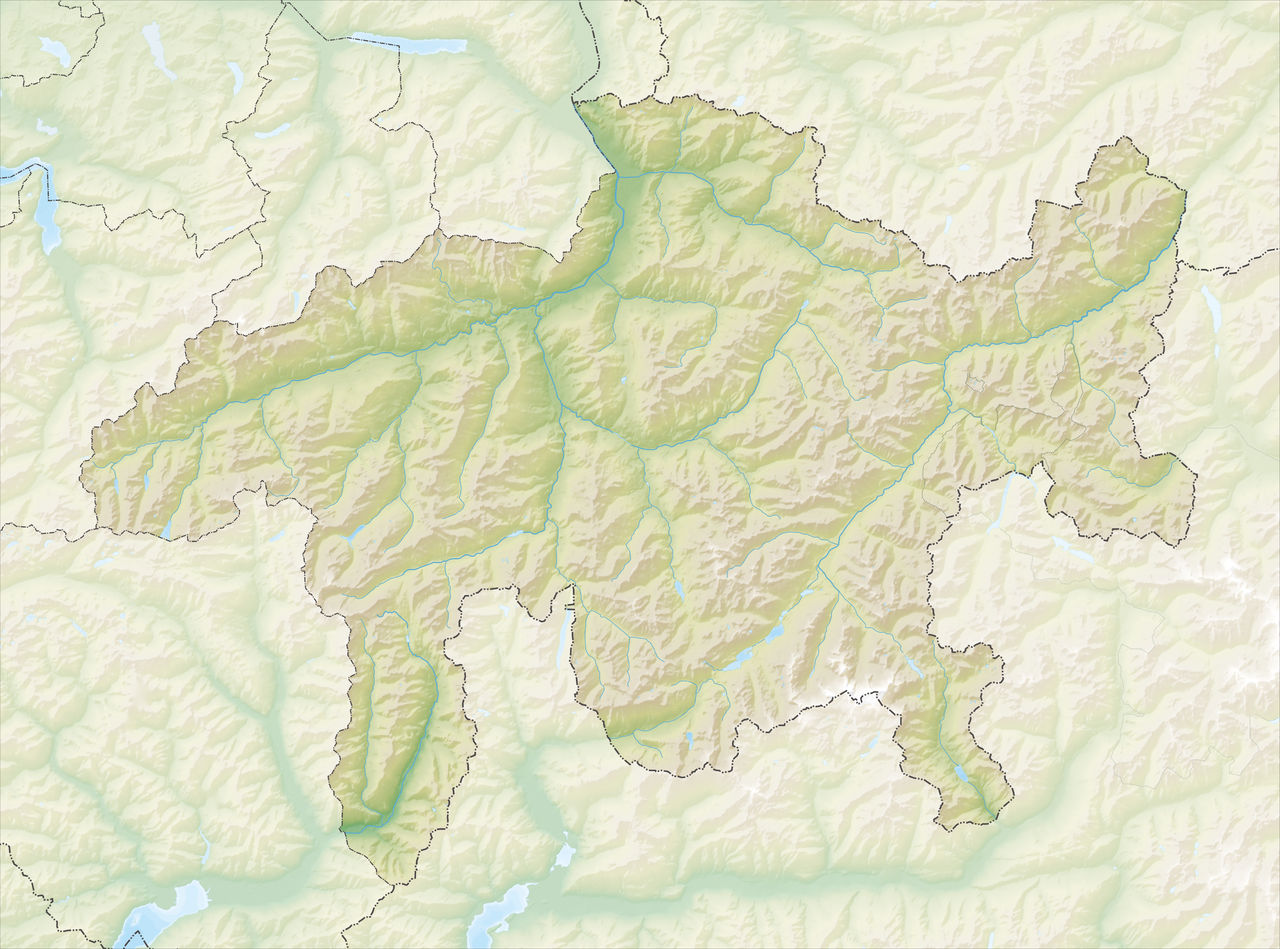
St. Peter-Pagig was a small former municipality located in the district of Plessur within the canton of Graubünden (Graubünden), in eastern Switzerland. It comprised two closely linked mountain villages, known for their rural character, traditional building styles and scenic alpine surroundings. The area functioned as a local administrative unit until recent municipal reorganizations changed its status.
Image gallery
4 Images


Geography and characteristics
The settlement lies in a typical inner-alpine setting with steep slopes, meadows and forested areas. Elevation and terrain shaped local life: mixed farming, pasture management and forestry historically dominated the economy. The population has been small and primarily German-speaking, reflecting linguistic patterns common in parts of the Plessur region.
History and administration
The name reflects the close association of two villages, St. Peter and Pagig, which shared services and governance as a combined municipal entity. Like many small municipalities in Graubünden and elsewhere in Switzerland, it experienced administrative change in the 21st century as cantonal authorities and local councils sought greater efficiency through mergers and boundary adjustments.
Economy, culture and importance
Local life centered on agriculture, seasonal alpine grazing and small-scale tourism: hiking, nature observation and cultural heritage attract visitors seeking a quiet mountain experience. Traditional customs, local churches and village festivals remain important to communal identity. Architecture often includes timber farmhouses and stone barns adapted to the mountain climate.
Notable facts and distinctions
- Represents a common Swiss pattern: small mountain villages joining for administrative reasons.
- Part of the broader landscape and cultural region of Graubünden, which contains multiple language zones and alpine economies.
- Its history illustrates rural adaptation to demographic and administrative shifts in modern Switzerland.
Related articles
Author
AlegsaOnline.com St. Peter-Pagig Leandro Alegsa
URL: https://en.alegsaonline.com/art/93027