
Colombo, Sri Lanka's largest city and commercial hub
Colombo is the principal city and economic center of Sri Lanka. A coastal metropolis with colonial-era districts, a busy port, diverse communities, and strong cultural and commercial significance.
Overview
Colombo is the largest city in Sri Lanka and the island's principal commercial center. It lies on the western coast and forms a contiguous urban area with the administrative capital, Sri Jayawardenepura Kotte, often referred to simply as Kotte (Kotte). The city is linguistically and culturally diverse; its local names are recorded in Sinhala and Tamil scripts. Colombo's population is concentrated within a compact metropolitan zone, and the city functions as the island's main seaport and financial hub.
Image gallery
10 Images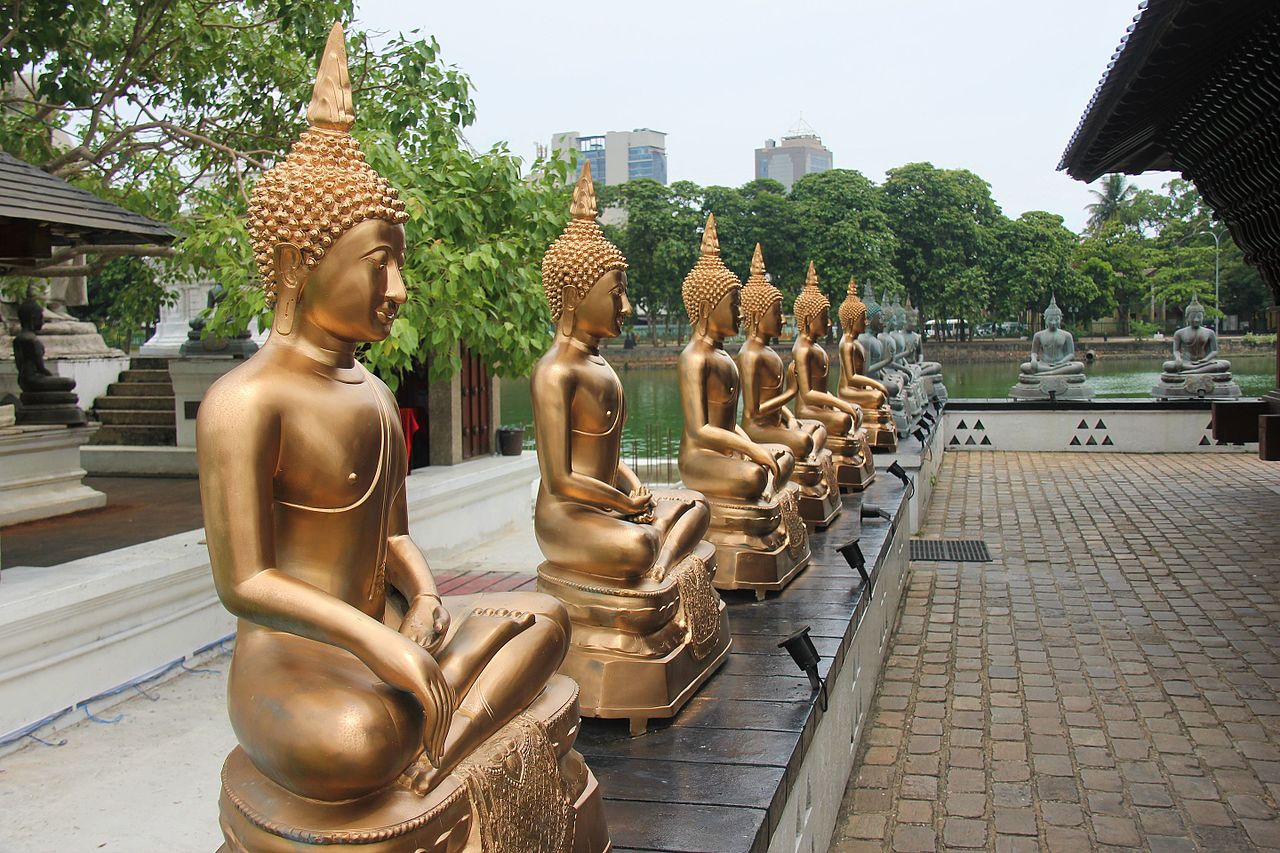


Geography and urban districts
Colombo occupies a coastal plain with a long shoreline and a natural harbor that has shaped its development. Urban districts vary from dense commercial islands to leafy residential precincts. Notable areas include historic colonial sectors, central business districts, market neighborhoods, and suburban residential quarters.
History and name
The name Colombo is commonly believed to derive from a local phrase meaning a harbor with mango trees; early travelers and chroniclers used related forms of the name. Historical references to the settlement appear in medieval travel accounts — for example, the 14th-century traveler Ibn Battuta mentioned a trading port in the region (Ibn Battuta). Over centuries the site grew under local rulers and later under Portuguese, Dutch and British colonial administrations, each leaving architectural and institutional traces.
Economy, transport and culture
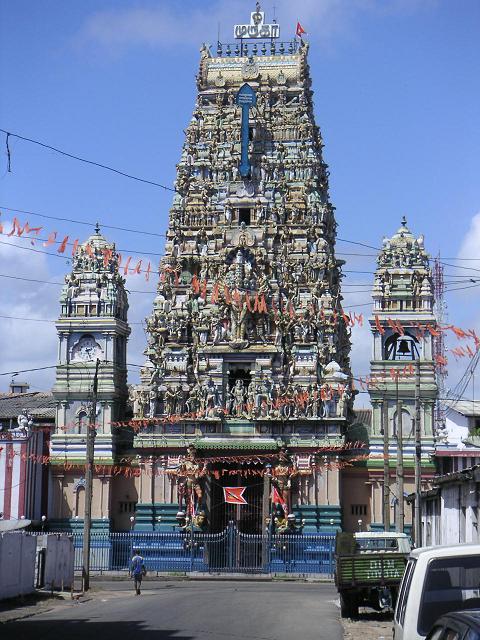
Colombo is the island's economic engine, hosting major banks, corporate offices, and the busiest port facilities. The city's transport network includes a mix of road arteries, rail services connecting to the hinterland, and port links for international shipping. Colombo also concentrates cultural institutions such as museums, temples, commercial markets and public promenades that serve both residents and visitors.
Notable features and districts
- Historic fort and waterfront zones that reflect colonial-era planning.
- Market districts known for trade and wholesale activity.
- Administrative and diplomatic precincts near the capital.
- Residential neighborhoods with parks, schools and cultural venues.
As Sri Lanka's primary urban and economic center, Colombo continues to balance modern development with a layered heritage, serving as a gateway for commerce, transport and cultural exchange across the Indian Ocean region.
Related articles
Author
AlegsaOnline.com Colombo, Sri Lanka's largest city and commercial hub Leandro Alegsa
URL: https://en.alegsaonline.com/art/21703