
Basnet (Basnyat): Nepali Kshetri surname and family history
Basnet (also Basnyat) is a Kshetri (Kshatriya) surname from Nepal. It denotes a hereditary clan with historic roles in military and administration and is found across Nepal and the Nepali-speaking diaspora.
Basnet (Devanagari: बस्नेत) and the older spelling Basnyat (Devanagari: बस्न्यात) are surnames used by a Kshatriya community in Nepal. The name is associated with the Khas-speaking warrior class and is commonly identified with the Kshetri caste. It functions as both a family name and as an indication of lineage within traditional Nepali social structure.
Image gallery
1 Image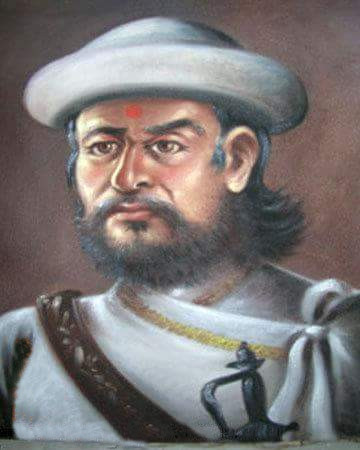
Origins and name variants
The surname has several orthographic forms in Roman script (Basnet, Basnyat) and appears in Nepali-language records and oral tradition. Variations reflect historical spelling conventions and regional pronunciation. While precise ancient origins are difficult to document, the Basnet identity is tied to the broader history of Khas people and Kshetri lineages in the hilly regions of Nepal.
Historical role and social position
Historically, members of Basnet/Basnyat families served as military leaders, local chiefs and administrators during the period of state formation and the later Shah monarchy. Prominent Basnet families held responsibilities in the armed forces and in civil administration, contributing to campaigns of unification and governance in the 18th and 19th centuries.
Distribution, culture and modern presence
Basnets are concentrated across Nepal’s hill districts and are also found in Nepali-speaking communities in India (e.g., Sikkim, Darjeeling), Bhutan and in the global Nepali diaspora. Families are typically patrilineal; cultural practices follow regional Nepali Kshetri norms. Like other caste surnames, Basnet today spans a range of professions beyond traditional military and administrative roles.
- Spelling and script: बस्नेत / बस्न्यात; Roman forms Basnet, Basnyat.
- Social identity: associated with Kshetri caste and Khas heritage.
- Notable role: historical military and administrative service in Nepal.
For Nepali-language renderings and local usage see Nepali sources and community records that document regional variants and family histories.
Related articles
Author
AlegsaOnline.com Basnet (Basnyat): Nepali Kshetri surname and family history Leandro Alegsa
URL: https://en.alegsaonline.com/art/9266
Sources
- books.google.com : Dynamics of a hill society: Nepalis in Darjeeling and Sikkim Himalayas
- bijaykuikel.com.np : "list-of-gotra"