
Bass Reeves: African American Deputy U.S. Marshal in Indian Territory
Bass Reeves (c.1838–1910), born enslaved, escaped to Indian Territory and served decades as a deputy U.S. marshal. He is noted for tracking fugitives, arrests of many outlaws, multilingual skills, and a lasting legacy.
Overview
Bass Reeves (circa 1838–1910) rose from enslavement to become one of the first and most celebrated African American lawmen west of the Mississippi. Serving for decades as a deputy U.S. marshal in what was known as Indian Territory (present-day Oklahoma and surrounding areas), Reeves gained a reputation for relentless pursuit of fugitives, careful courtroom procedure, and extraordinary tracking and investigative skill.
Image gallery
4 Images
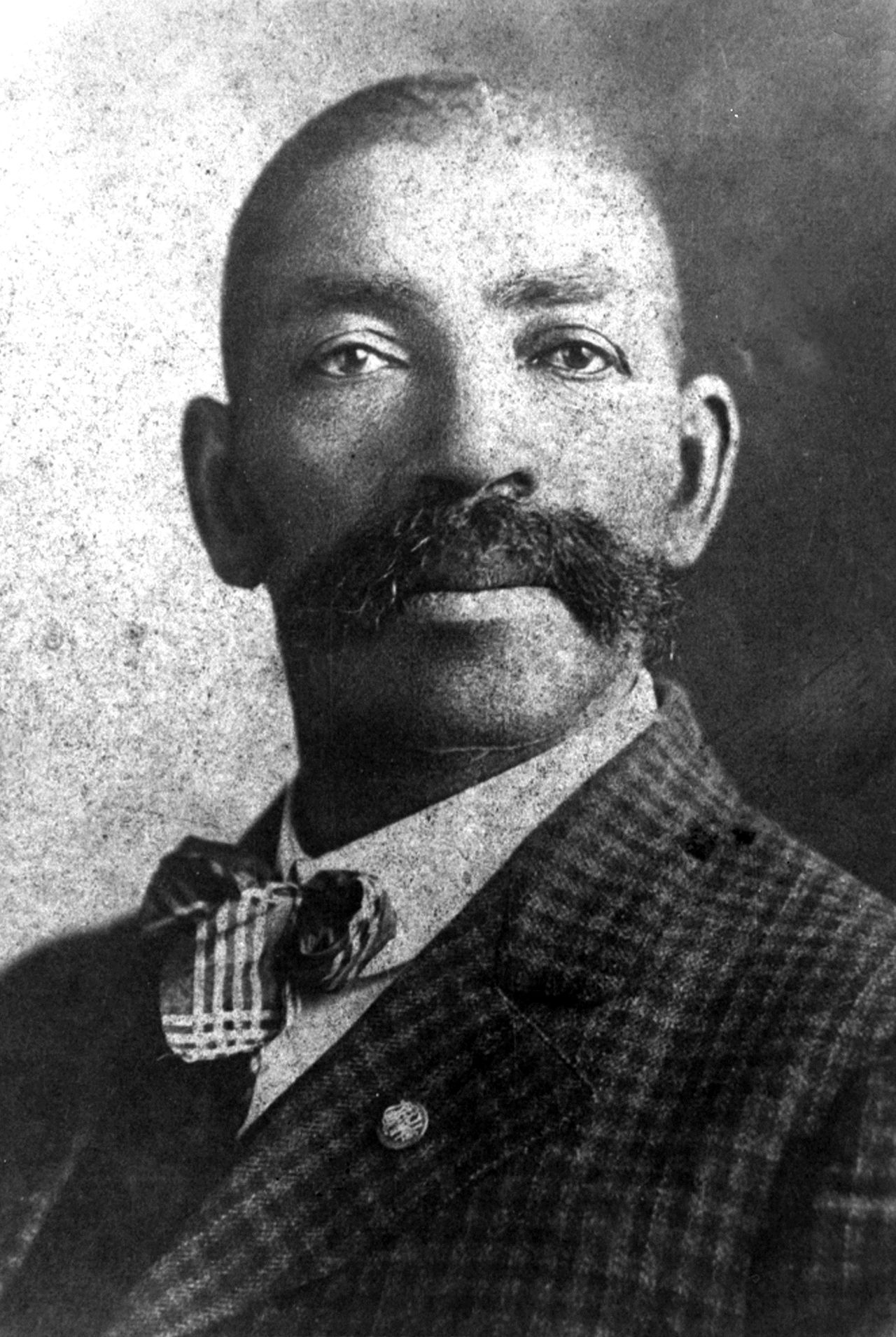


Early life and escape
Reeves was born into slavery in Arkansas. During the period of the Civil War, he fled his bondage and sought refuge in Indian Territory. There he lived among Native American communities, learning regional languages and frontier skills that later proved invaluable in law enforcement. His early years in the territory shaped his knowledge of terrain, local peoples, and the network of trails used by outlaws.
Career as a lawman
Appointed a deputy U.S. marshal to enforce federal law in Indian Territory, Reeves worked for many years apprehending fugitives wanted on state and federal charges. He regularly brought prisoners to the federal court at Fort Smith, Arkansas, and operated under the demanding legal environment of the era. Contemporary records and later accounts credit him with bringing in hundreds of suspects; some popular retellings attribute even larger totals.
Methods, abilities, and reputation
Reeves was noted for several practical abilities that aided his work: fluent or working knowledge of several Native languages and dialects common to the region, exceptional skill as a tracker and marksman, and a willingness to use disguise and careful planning to capture fugitives without loss of life when possible. He is often described as calm, methodical, and legally precise when making arrests and presenting suspects to court.
Legacy and portrayals
Bass Reeves has been the subject of growing scholarly and popular interest. Historians recognize him as an important figure in the history of American law enforcement and race relations on the frontier. Some writers and storytellers have suggested he influenced early lawman archetypes in fiction, though direct connections to specific fictional characters remain debated. For biographical studies and archival materials, see historical records and curated retrospectives at research sites such as special collections.
Notable facts
- He served for many years enforcing federal warrants across a vast and often lawless region.
- Reeves used linguistic skill and local knowledge to locate and arrest fugitives from diverse communities.
- After his long career as a marshal, he continued to work in public service roles in Oklahoma until his death in 1910.
Bass Reeves's life illustrates the complexities of the post-Civil War frontier: a formerly enslaved man who became a respected federal officer, navigating legal, cultural, and physical challenges while establishing a lasting reputation in American legal history.
Questions and answers
Q: Who was Bass Reeves?
A: Bass Reeves was an African American sheriff in Arkansas who worked in law enforcement west of the Mississippi River.
Q: When was Bass Reeves born?
A: Bass Reeves was born in 1838.
Q: What was Bass Reeves' background?
A: Bass Reeves was born as a slave and later escaped his abusive master.
Q: Where did Bass Reeves work as a law enforcement officer?
A: Bass Reeves worked in law enforcement west of the Mississippi River.
Q: How many convicts did Bass Reeves bring in during his career?
A: Bass Reeves brought in hundreds of convicts during his career.
Q: What was Bass Reeves known for?
A: Bass Reeves was known for being one of the first African Americans to work in law enforcement west of the Mississippi River and for bringing in hundreds of convicts.
Q: When did Bass Reeves pass away?
A: Bass Reeves passed away in 1910.
Related articles
Author
AlegsaOnline.com Bass Reeves: African American Deputy U.S. Marshal in Indian Territory Leandro Alegsa
URL: https://en.alegsaonline.com/art/9287
Sources
- encyclopediaofarkansas.net : "Bass Reeves (1838–1910) - Encyclopedia of Arkansas"