
Bayard Rustin: Organizer, Nonviolent Strategist, and Civil Rights Advocate
Bayard Rustin (1912–1987) was an American civil rights strategist, pacifist organizer and adviser who linked nonviolence, labor, socialism and early gay-rights activism across mid-20th-century movements.
Overview
Bayard Rustin was an influential American organizer and strategist whose work connected civil rights, pacifist movements, labor, and early gay-rights activism. He is best known for promoting disciplined nonviolent direct action and for his role as a tactician and adviser to movement leaders. Rustin worked across social movements, particularly campaigns for racial equality, democratic socialism, and techniques of nonviolence.
Image gallery
8 Images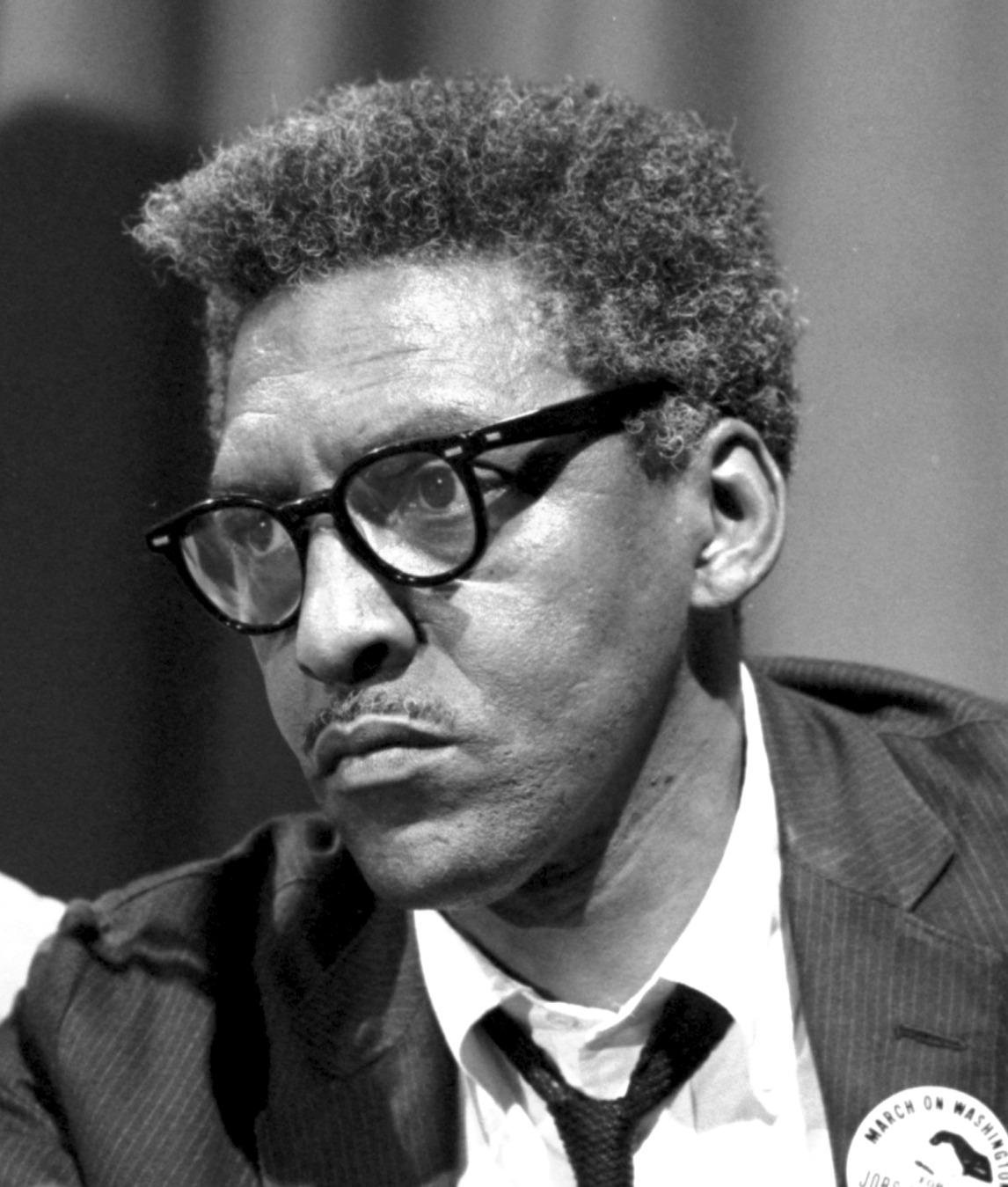



Early life and influences
Rustin was born on March 17, 1912, and raised in West Chester, Pennsylvania (West Chester). Raised with Quaker influences and exposed to pacifist thinking, he absorbed religious and ethical arguments for nonviolence. Early in his life he studied methods of civil disobedience and mass protest inspired by international and domestic pacifist traditions. These convictions shaped his approach to organizing and coalition building.
Major roles and affiliations
Over several decades Rustin was active in or associated with numerous organizations. He worked with interracial and labor groups, and he helped to build coalitions that included religious, labor and civil-rights constituencies. Notable affiliations include the Fellowship of Reconciliation, the Congress of Racial Equality (CORE), the War Resisters League, and the Southern Christian Leadership Conference (SCLC). He also held leadership roles in Social Democrats USA and the A. Philip Randolph Institute.
March on Washington and strategic work
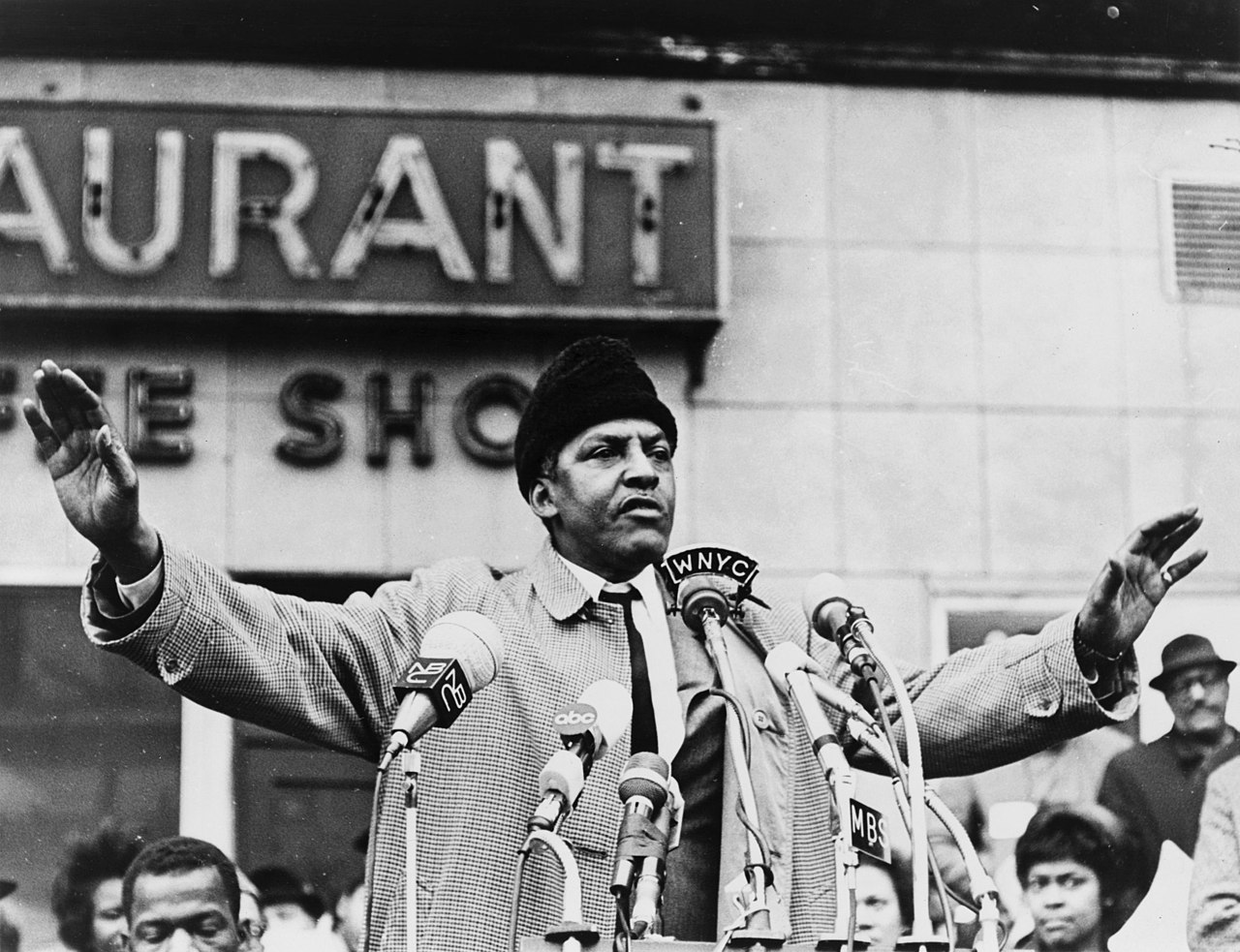
Rustin is widely credited with planning the logistics and shape of the 1963 March on Washington for Jobs and Freedom. He emphasized careful planning, a disciplined nonviolent posture, and the cultivation of broad coalitions that brought labor, clergy, and civil-rights activists together. Although his sexuality and political views sometimes generated controversy and attempts to marginalize him, his organizational skill was crucial to major demonstrations and campaigns.
Later life, controversies, and legacy
In later years Rustin continued to teach nonviolent methods, advise labor and civil-rights organizations, and argue for the intersections of racial justice and economic democracy. He faced government scrutiny and political attacks tied to his activism and identity, yet remained an influential educator and connector of movements. Rustin died in New York City (New York) on August 24, 1987; the medical cause commonly cited was appendicitis. His career illustrates the importance of behind-the-scenes organizers in shaping public protest, coalition politics, and the practical application of nonviolent strategy. Reference code: 107343.
Significance
Rustin's life highlights several continuing themes in social-movement history: the role of disciplined nonviolence, the value of cross-sector coalitions, and the ways personal identity and political belief can affect public standing. Scholars and activists often cite his work as a model of strategic planning married to moral commitment.
Tags
Related articles
Author
AlegsaOnline.com Bayard Rustin: Organizer, Nonviolent Strategist, and Civil Rights Advocate Leandro Alegsa
URL: https://en.alegsaonline.com/art/9679
Sources
- outsports.com : "Bayard Rustin: Offensive lineman for freedom"
- nytimes.com : "Bayard Rustin Is Dead at 75; Pacifist and a Rights Activist"