
Sphinx: Mythical guardian with a human head and the body of a lion
A sphinx is a mythological hybrid creature—commonly a human head on a lion's body—found in ancient Egypt, Greece, Asia and later European art; known as guardian, riddle-poser and funerary symbol.
Overview
The sphinx is a composite mythological creature typically depicted with the head of a human and the body of a lion; some traditions add wings, a serpent tail or other features. It appears independently in several ancient cultures and has functioned most often as a guardian figure, a funerary symbol, or a subject of story and legend. The form and meaning of sphinxes vary widely by region and period.
Image gallery
10 Images




Physical characteristics and variations
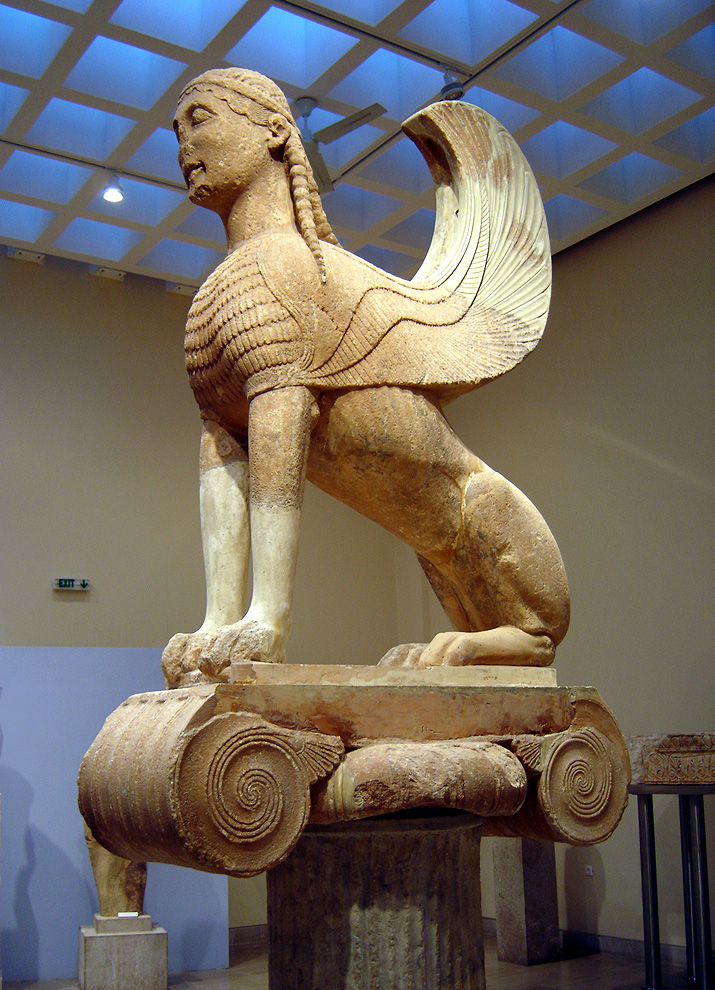
Common elements of sphinx imagery include a human head combined with the muscular body of a lion. In many Greek and later European portrayals the creature also has birdlike wings; in Egyptian depictions the sphinx is usually wingless and often male. The head might be that of a pharaoh, a god, or a female figure. Variants across Asia and the Near East may substitute bovine features, add serpentine tails, or blend local iconography, producing a family of related guardian beasts rather than a single fixed type.
History and geographic distribution
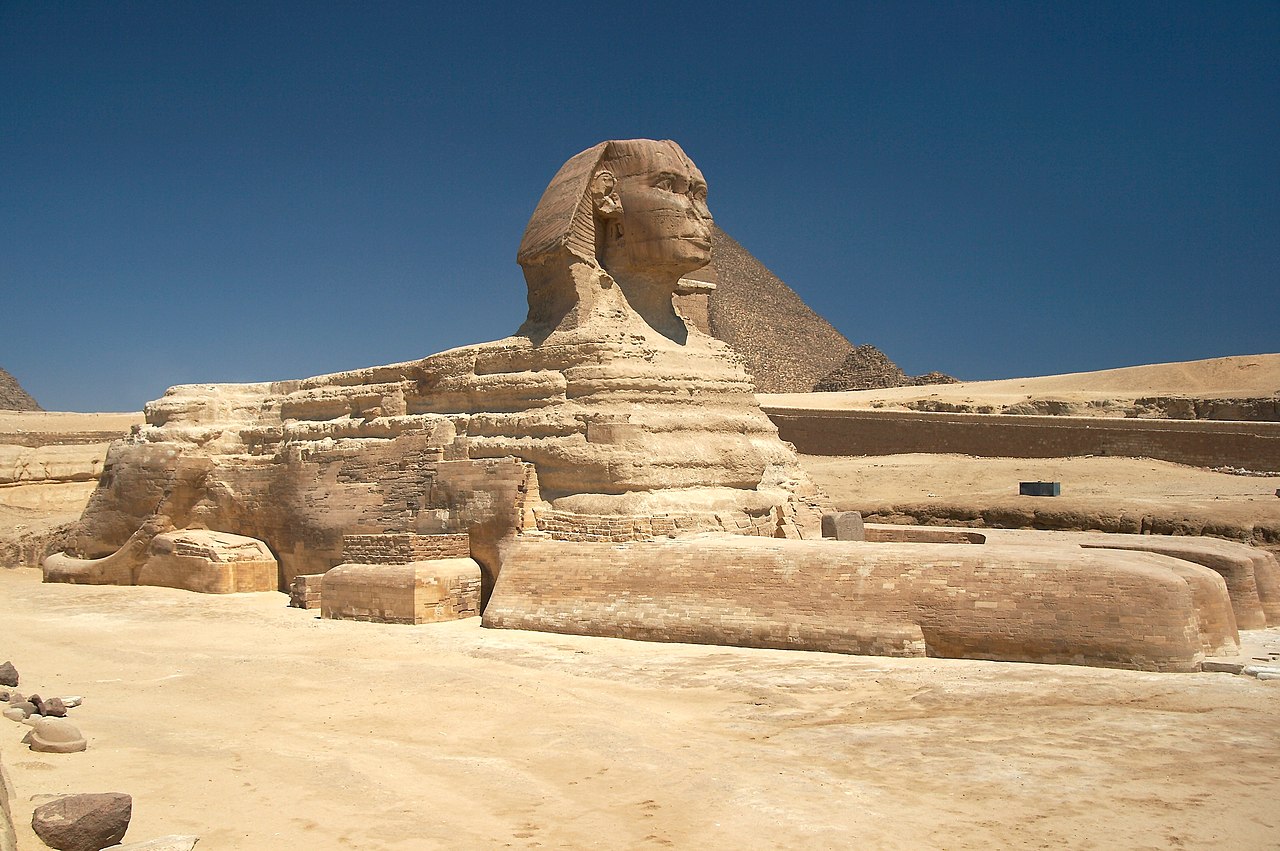
In Egypt the motif dates back to the Old Kingdom and became a standard element of monumental architecture and royal iconography; the most famous monument is the Great Sphinx of Giza, sculpted on the Giza plateau and associated in later tradition with the pharaoh Khafre. The Greeks adopted and reinterpreted the creature: the word sphinx (σφίγξ) is used in ancient Greek sources and the mythic Sphinx of Thebes is a prominent figure in Greek tragedy. Comparable or analogous creatures appear in the art and myth of the Near East, South Asia and Southeast Asia, demonstrating both local invention and cultural transmission.
Myth, symbolism and stories
Across cultures the sphinx is commonly linked with protection of sacred precincts and with riddles or esoteric knowledge. In Greek myth the Theban Sphinx posed a riddle to travellers and is central to the Oedipus story: the riddle of the "three ages" tests wisdom and human development. In Egyptian contexts sphinxes often stood as guardians of temples or tombs and could embody royal power and solar associations. In later European art the sphinx became a decorative emblem connected to antiquity, mystery and exoticism.
Notable examples and legacy
- Great Sphinx of Giza — the iconic monumental sculpture on the Giza plateau long associated with ancient Egyptian kingship.
- The Theban Sphinx — the riddle-bearing figure of Greek legend who confronts Oedipus in the Theban cycle.
- Assyrian and Near Eastern guardians — related hybrid figures like human-headed winged bulls or lions that served a similar protective role.
- Renaissance and neoclassical revival — European gardens, funerary art and architecture frequently adopted sphinx motifs as symbols of mystery and antiquity.
Further reading and resources
For general introductions and images, consult accessible sources and museum catalogues. Scholarly discussions explore origins, ritual roles and iconographic change over time. Examples and reference points include: features in ancient Egyptian art, archaeological studies of the Giza monuments, classical literature on the Greek Sphinx, comparative motifs in South and Southeast Asia, European receptions of the sphinx, Renaissance uses of classical imagery, and primary-text treatments of the Oedipus tale at classical myth collections.
Because the sphinx appears in multiple independent traditions, its meanings are best read in local cultural terms: a protector and emblem of power in ancient Egypt, a liminal and dangerous enigma in Greece, and a versatile motif in later art and architecture. Studying the sphinx highlights how a single hybrid form can be adapted to very different symbolic roles across time and place.
Related articles
Author
AlegsaOnline.com Sphinx: Mythical guardian with a human head and the body of a lion Leandro Alegsa
URL: https://en.alegsaonline.com/art/92647