
Speaker of the Parliament of Sri Lanka
Presiding officer of Sri Lanka's Parliament: role, election and tenure, powers and procedures, historical development, and notable holders such as Karu Jayasuriya.
The Speaker of the Parliament of the Democratic Socialist Republic of Sri Lanka is the chamber's principal presiding officer. The post is rooted in the parliamentary traditions of the island and is responsible for managing debates, enforcing procedural rules and representing the legislature in official functions. For an outline of the office and duties see presiding officer.
Image gallery
10 Images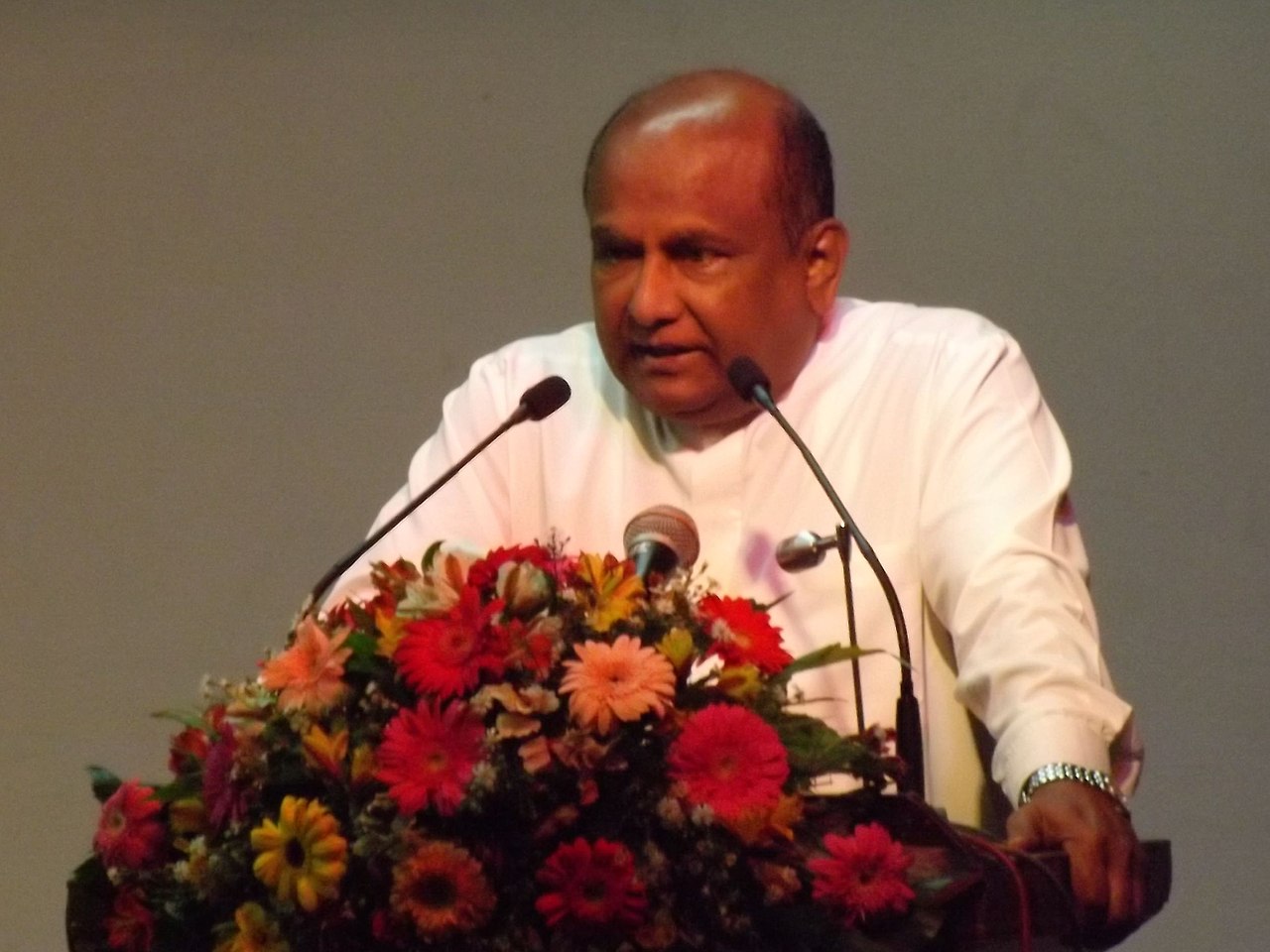


Role and responsibilities
The Speaker chairs sittings of Parliament, maintains order during proceedings, decides points of order and interprets the chamber's standing orders. The office carries administrative responsibilities for the conduct of business, the scheduling of debates and the supervision of official administration within the parliamentary precinct. Although the Speaker is chosen from among members, the holder is expected to act impartially when presiding.
Powers and procedures
- Moderation: calling on members to speak and ensuring debate follows rules.
- Discipline: warning or disciplining members who breach decorum.
- Decision-making: ruling on procedural questions and the admissibility of motions.
- Administrative: overseeing committees, parliamentary staff and official facilities.
Election, tenure and impartiality
The Speaker is elected by members of Parliament, typically at the first meeting after a general election. The office is held for the duration of the Parliament unless the Speaker resigns, is removed by a parliamentary vote, or otherwise vacates the seat. Although drawn from a political party, Speakers conventionally adopt a neutral stance while presiding to protect the integrity of deliberations.
History and development
The office developed from colonial-era legislative practice and was adapted after independence to fit Sri Lanka's parliamentary framework. Over time the Speaker's procedural authority and symbolic role as guardian of parliamentary autonomy have been reinforced through standing orders and conventions. The position plays a key part in upholding representative democracy by ensuring that legislative processes run transparently and fairly.
Notable occupants illustrate the office's prominence. One recent holder was Karu Jayasuriya, elected to the speakership on 1 September 2015; he is frequently cited in contemporary discussions of parliamentary leadership and reform (biography and record). The Speaker continues to be a central figure in the functioning of Sri Lanka's legislature, balancing procedural enforcement with the need to accommodate robust debate.
Related articles
Author
AlegsaOnline.com Speaker of the Parliament of Sri Lanka Leandro Alegsa
URL: https://en.alegsaonline.com/art/92538
Sources
- roar.media : "Of Ministers' Salaries And Parliamentary Perks"
- ceylontoday.lk : "Do MPs get fat salaries?"