
Spanish Fighting Bull (Toro Bravo): breed, history and cultural role
The Spanish Fighting Bull (Toro Bravo) is a heterogeneous Iberian cattle population bred for bravery, strength and stamina and historically managed on extensive dehesa estates across Iberia and parts of Latin America.
Overview
The Spanish Fighting Bull, commonly called toro bravo or toro de lidia, is not a single standardized breed but a managed, heterogeneous population of Iberian cattle selected over centuries for traits valued in bullfighting and related spectacles. These animals are raised principally on extensive pasturelands and are kept horned and entire (not castrated) to preserve natural behaviors. Traditional stock is associated with rural estates and specific breeding lines known as ganaderías.
Image gallery
7 Images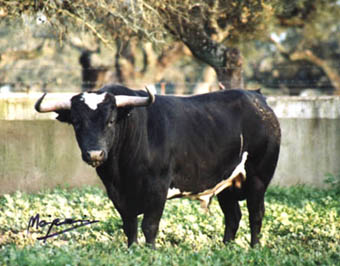



Characteristics and management
Fighting bulls are selected for a combination of physical and behavioral attributes:
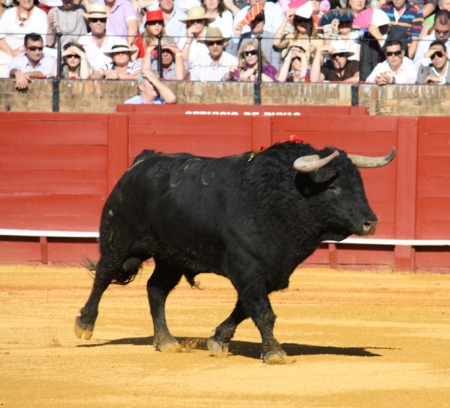
- Physical build: muscular, compact frame with pronounced neck and shoulders and well-developed horns.
- Behavior: pronounced reactivity and readiness to charge, combined with endurance and agility.
- Management: raised free-range on pastures such as the Spanish dehesa, receiving minimal human handling to maintain wild-type responses.
Selection and breeding emphasize temperament and stamina over production traits. Crossbreeding with other cattle is generally avoided to retain the traditional attributes of the toro bravo.
Origins and distribution
The population has deep roots in the Iberian Peninsula and was shaped by centuries of pastoralism, nobiliary patronage and regional practices. While most associated with Spain, similar lines are maintained in Iberian contexts and across regions where bull-related spectacles continue. Contemporary breeding occurs in Spain, Portugal, parts of France and various Latin American countries. The animals form a heterogeneous cattle population rather than a uniform industrial breed.
Uses and cultural importance
The principal role of the toro bravo is participation in bullfighting events, including corridas, novilladas and mounted contests. They also feature in rural traditions and festivals where their behavior and presence hold symbolic value. Breeders choose animals according to criteria of aggression, vigor and endurance as outlined by aficionados and regulators; selection priorities are discussed in specialist circles and publications about breeding.
Controversy and legal context
Bullfighting and the breeding of fighting bulls are culturally significant but also sources of ethical debate and legal restrictions. Some regions have limited or prohibited bullfighting, while others continue to protect it as cultural heritage. Discussions about animal welfare, conservation of traditional rural landscapes and the economics of ganaderías continue to shape policy and public opinion.
Overall, the Spanish Fighting Bull occupies a complex place at the intersection of agriculture, culture and law: a living population managed for distinctive behavioral qualities and maintained by specialized breeders across the Iberian world.
Related articles
Author
AlegsaOnline.com Spanish Fighting Bull (Toro Bravo): breed, history and cultural role Leandro Alegsa
URL: https://en.alegsaonline.com/art/92481