
Basohli (Bashohli) — town and school of Pahari painting
Basohli is a town in Kathua district, Jammu and Kashmir, India, best known for the Basohli school of Pahari painting—an early hill‑state style noted for bold color, dramatic figures and devotional themes.
Overview
Basohli (also spelled Bashohli; Urdu: تحصیل بسوہلی) is a small town and administrative area in Kathua district in the Jammu region of the Indian union territory of Jammu and Kashmir. The place is widely known in art history for the Basohli school of Pahari painting, a regional miniature style developed in the hill courts of the western Himalaya in the early modern period.
Image gallery
6 Images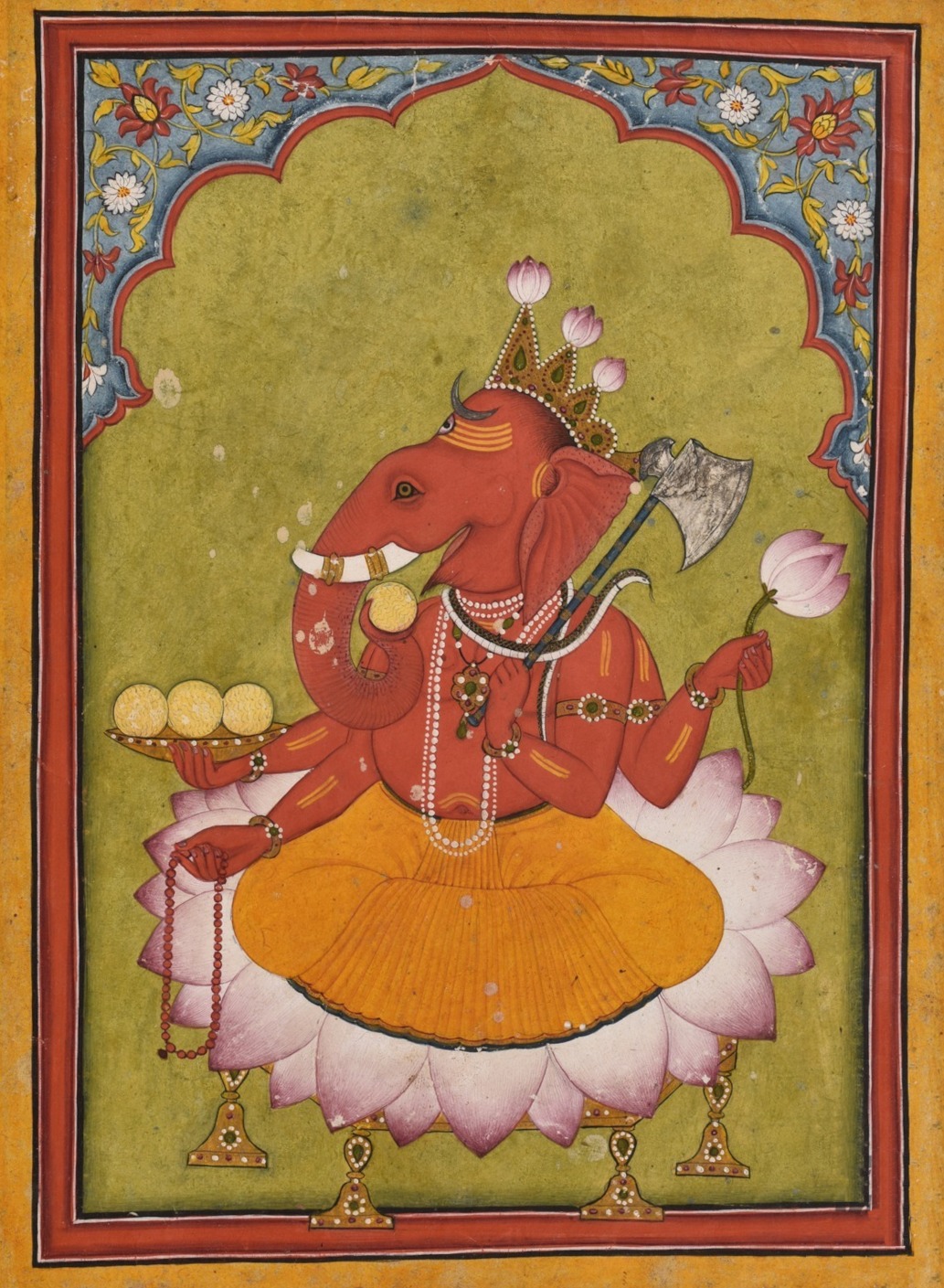


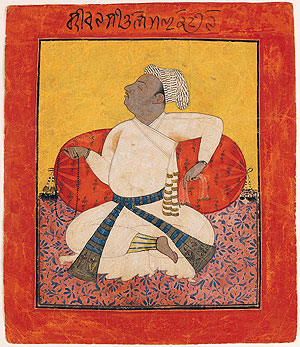
Geography and administration
Situated in the lower foothills of the Himalaya, Basohli served as a local centre for administration and courtly life within a landscape of small principalities. Its position in the Kathua area linked it culturally to neighbouring hill states and to the broader artistic exchanges of northern India.
History and patronage
The Basohli style emerged under the patronage of local rajas and nobles who commissioned devotional manuscripts, single-sheet paintings and courtly portraits. These patrons sustained workshops where teams of painters produced both illustrated books and standalone works for ritual and display.
Style and technique
Basohli paintings are recognized for vivid, saturated colors, particularly deep reds and blues, strong outlines and compact, often dramatic compositions. Figures tend to have pronounced facial features—large, expressive eyes and bold gestures—and backgrounds are treated with flat planes or stylized landscape motifs. Artists worked on paper using opaque pigments, mineral and organic colors, and sometimes gold for highlights.
Subjects and iconography
Common subjects include episodes from Hindu religious literature, devotional scenes of Krishna and Radha, depictions of gods and goddesses, and courtly or romantic themes drawn from regional poetry. The works emphasize emotional intensity and narrative immediacy rather than naturalistic perspective.
Legacy and contemporary relevance
Basohli painting occupies an important place within the broader Pahari tradition and is studied for its distinctive aesthetic and historical role in hill‑state culture. Originals are held in museum and private collections; in recent decades there has been renewed interest in studying, preserving and adapting Basohli motifs in contemporary craft and revival projects.
Related articles
Author
AlegsaOnline.com Basohli (Bashohli) — town and school of Pahari painting Leandro Alegsa
URL: https://en.alegsaonline.com/art/9224